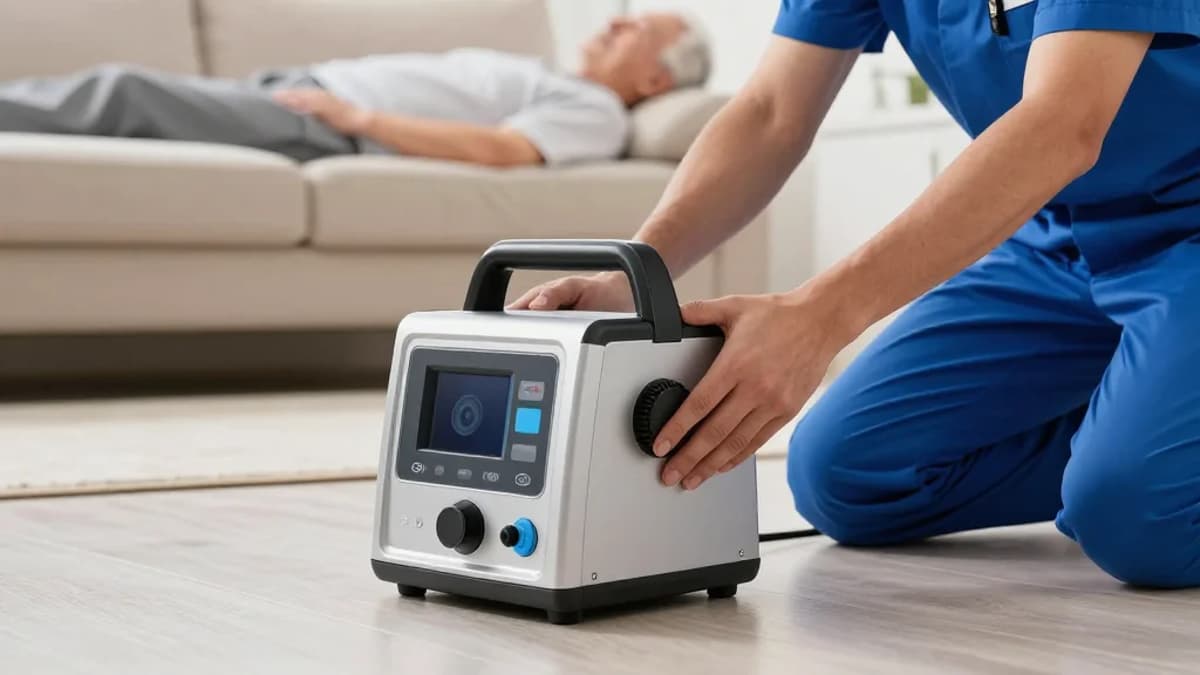
'Revolutionary' Mobile Imaging Pilot Program Excels at Preventing Unnecessary ED Visits
•February 18, 2026
0
Why It Matters
Avoiding unnecessary ED trips cuts costs and improves patient experience, offering a scalable model for community‑based diagnostics.
Key Takeaways
- •Portable X‑rays performed at home prevent unnecessary ED visits
- •Radiographer‑paramedic teams review 999 calls for imaging eligibility
- •25 of 38 patients avoided hospital after pilot launch
- •Image quality matches hospital standards, per staff feedback
- •Program expanded to five days weekly due to early success
Pulse Analysis
The rise of mobile diagnostic technologies reflects a broader shift toward decentralized healthcare delivery. Portable X‑ray units like Fuji's Xair combine lightweight design with digital imaging capabilities, enabling clinicians to bring hospital‑grade diagnostics to patients’ living rooms. This approach aligns with value‑based care models that prioritize outcomes over volume, reducing transport costs, ambulance turnaround times, and the hidden expenses of unnecessary admissions. By integrating imaging into the pre‑hospital workflow, providers can make triage decisions with real‑time data, a capability that was previously limited to fixed facilities.
Operationally, the Ashford pilot demonstrates how interdisciplinary collaboration can unlock new efficiencies. Pairing a radiographer with an advanced paramedic practitioner creates a rapid decision‑making loop: the duo screens emergency calls, deploys to the scene, captures images, and uploads them to a hospital PACS for immediate review. Early metrics show that 66% of patients assessed on‑site avoided an emergency department visit, translating into measurable savings for the NHS and less strain on overcrowded EDs. Moreover, clinicians report that image quality meets diagnostic standards, dispelling concerns that portable equipment compromises clinical accuracy.
If replicated, this model could reshape emergency care pathways across the UK and beyond. Policymakers may need to address regulatory frameworks for out‑of‑hospital imaging, data security, and reimbursement structures. Yet the potential benefits—reduced wait times, lower carbon footprints from fewer ambulance trips, and enhanced patient comfort—make a compelling case for broader adoption. As health systems grapple with rising demand, mobile imaging pilots like Ashford’s offer a pragmatic, patient‑centric solution that bridges the gap between community care and advanced diagnostics.
'Revolutionary' mobile imaging pilot program excels at preventing unnecessary ED visits
0
Comments
Want to join the conversation?
Loading comments...