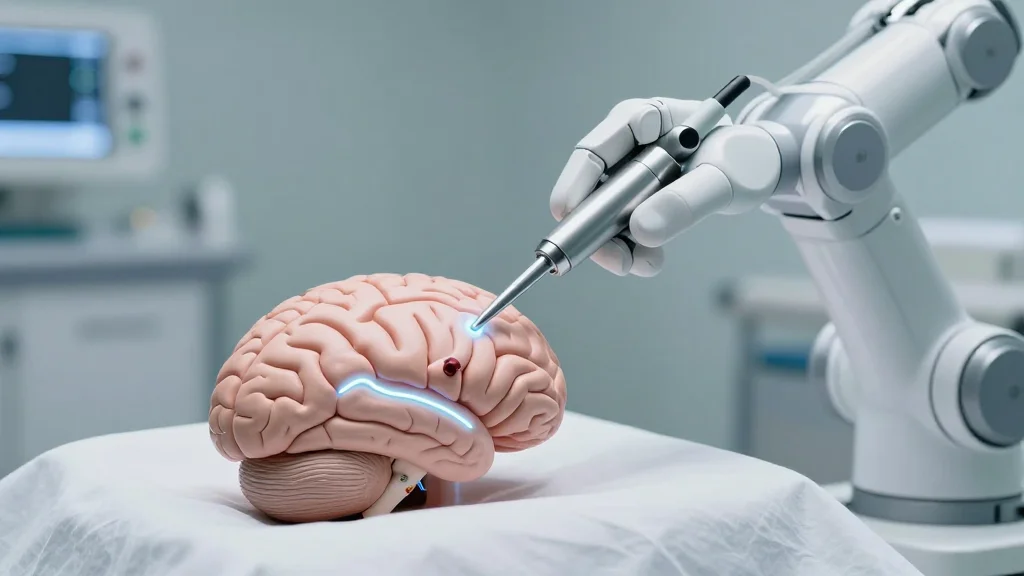
Robot‑Assisted Brain‑Chest Wire Restores Mobility for South Florida Parkinson’s Patient

Why It Matters
The rapid, robot‑assisted DBS procedure demonstrates that advanced neuromodulation can be delivered safely and efficiently, potentially reshaping Parkinson’s treatment protocols that have relied heavily on high‑dose medication. By cutting pill burden and restoring functional independence, the technology addresses both clinical outcomes and quality‑of‑life concerns that drive patient and payer decisions. If replicated at scale, the approach could reduce overall healthcare expenditures tied to Parkinson’s medication, hospitalizations for falls, and long‑term caregiving. Moreover, the success story may accelerate investment in next‑generation neuro‑devices, spurring innovation in related disorders such as essential tremor and dystonia.
Key Takeaways
- •Robot‑assisted DBS surgery completed in under an hour, versus up to 10 hours for traditional procedures
- •Patient Ozzie Echemendia reduced his medication from 60 pills daily to near zero after implantation
- •Implant consists of a thin brain wire connected to a chest‑mounted battery, programmable via iPad
- •Second patient, Ivonne Gonzalez, reported walking without a walker and improved speech post‑procedure
- •Nearly 1 million Americans live with Parkinson’s; refined DBS could become a new standard of care
Pulse Analysis
The Miami case underscores a broader shift in neuro‑technology: precision robotics are turning once‑daunting brain surgeries into routine, outpatient‑compatible procedures. Historically, DBS adoption lagged due to lengthy operations, the need for awake patients, and the stigma of invasive brain implants. By slashing operative time and eliminating head shaving, the robot‑assisted method lowers both patient anxiety and hospital resource utilization, two critical barriers to scaling.
From a market perspective, the procedure could catalyze a wave of consolidation among device makers. Companies that have traditionally supplied the bulky pulse generators are now racing to integrate wireless programming and AI‑driven parameter optimization. The competitive pressure may drive price competition, making DBS more accessible to insurers and, ultimately, patients.
Looking forward, the real test will be long‑term durability and the ability to personalize stimulation patterns as disease progression evolves. If the upcoming two‑year registry confirms sustained motor improvements and reduced medication reliance, regulators may endorse broader indications, and the health‑tech ecosystem could see a surge in ancillary services—remote monitoring platforms, data‑analytics firms, and rehabilitation apps—all built around the DBS ecosystem. The convergence of robotics, miniaturized hardware, and digital health could redefine chronic neuro‑disorder management within the next decade.
Robot‑Assisted Brain‑Chest Wire Restores Mobility for South Florida Parkinson’s Patient
Comments
Want to join the conversation?
Loading comments...