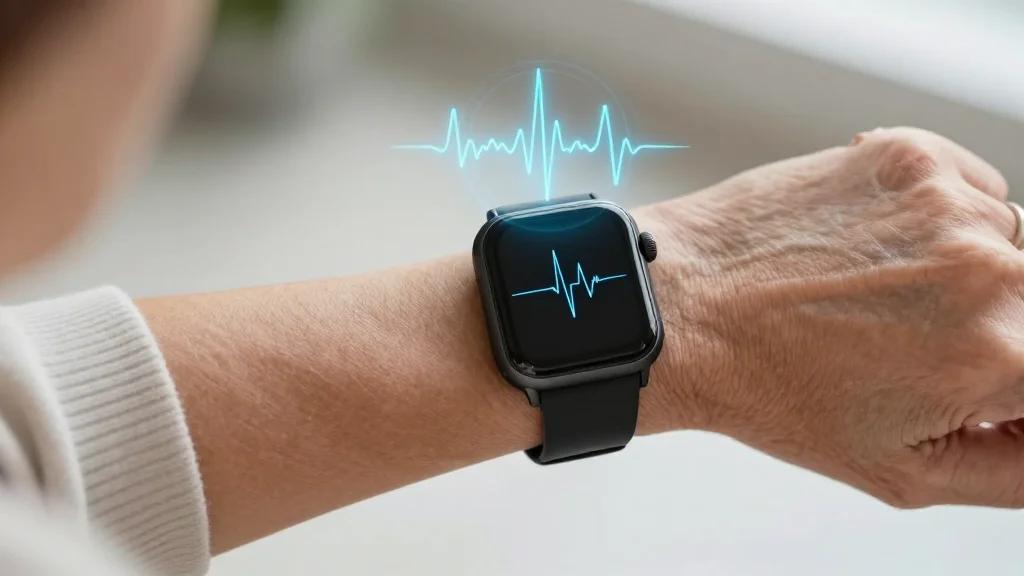
Samsung Galaxy Watch 6 Predicts Fainting Episodes with 84% Accuracy in Clinical Study

Companies Mentioned
Why It Matters
The ability to anticipate fainting episodes could transform how wearables are used in preventive health. Syncope is a leading cause of injury from falls, especially among older adults. Early alerts could enable users to take protective actions, potentially lowering emergency department visits and associated costs. Moreover, demonstrating clinically validated AI on a mass‑market device could accelerate regulatory pathways for other predictive health algorithms, blurring the line between consumer gadgets and medical devices. However, the study also highlights the challenge of translating laboratory performance into everyday reliability. High false‑positive rates risk user disengagement and could strain healthcare resources if alerts trigger unnecessary consultations. The outcome of Samsung’s next validation phases will influence industry standards for accuracy, specificity, and user experience in AI‑driven health wearables.
Key Takeaways
- •Samsung Galaxy Watch 6 predicted vasovagal syncope up to five minutes early in 84.6% of cases
- •Study involved 132 patients undergoing head‑up tilt testing at Chung‑Ang University Gwangmyeong Hospital
- •AI model achieved 90% sensitivity and 64% specificity, raising concerns about false‑positive alerts
- •Dr. Sam Setareh emphasized potential injury reduction from early warnings
- •Dr. Brett Sealove warned that real‑world use could generate a high volume of unnecessary alerts
Pulse Analysis
Samsung’s foray into predictive syncope marks a strategic pivot from passive health tracking to proactive risk mitigation. Historically, wearables have focused on data collection—steps, heart rate, sleep—while leaving interpretation to users or third‑party apps. By embedding an AI model that issues actionable alerts, Samsung is attempting to create a closed‑loop health system where the device not only records but also intervenes.
The competitive advantage hinges on two factors: clinical validation and integration. Samsung’s partnership with a reputable Korean hospital and publication in a peer‑reviewed journal give the claim credibility that many rivals lack. Yet the modest specificity (64%) signals a trade‑off; the company must either improve algorithmic precision or manage user expectations through nuanced alert designs (e.g., tiered warnings, confidence scores). Apple’s recent focus on ECG and fall detection shows a parallel trajectory, but Samsung’s explicit syncope prediction could carve a niche, especially in markets with aging populations.
Regulatory scrutiny will be the next hurdle. The FDA’s Digital Health Innovation Action Plan expects clear evidence of safety and efficacy before granting medical device status. If Samsung pursues clearance, it may need to demonstrate reduced injury rates in real‑world cohorts, not just lab settings. Success could unlock reimbursement pathways and partnerships with insurers, turning the watch into a cost‑saving health tool. Conversely, failure to meet regulatory standards could relegate the feature to a “wellness” label, limiting its impact.
From an industry perspective, Samsung’s announcement may pressure other OEMs to accelerate their own AI‑driven health features. The market could see a wave of studies targeting arrhythmias, hypoglycemia, or seizure prediction, each vying for the same regulatory and consumer trust space. Ultimately, the Galaxy Watch’s syncope prediction is a litmus test for whether AI‑enhanced wearables can transition from novelty to indispensable medical adjuncts.
Samsung Galaxy Watch 6 Predicts Fainting Episodes with 84% Accuracy in Clinical Study
Comments
Want to join the conversation?
Loading comments...