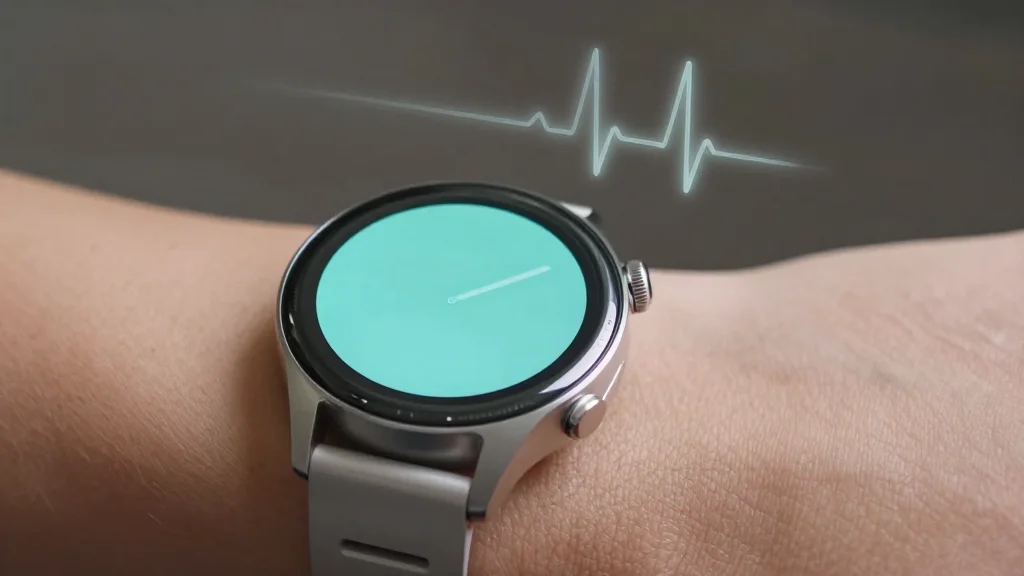
Samsung Galaxy Watch Predicts Fainting Episodes with 84.6% Accuracy in Clinical Study

Companies Mentioned
Why It Matters
The ability of a mainstream smartwatch to anticipate fainting could reshape preventive care, shifting some monitoring responsibilities from clinics to everyday devices. Early alerts may reduce emergency room visits and secondary injuries, lowering healthcare costs for a condition that affects up to 40% of the population at some point. Conversely, high false‑positive rates risk eroding trust in wearable health data, prompting users to ignore genuine alerts. The study underscores the need for rigorous validation of AI‑driven health features before they become standard consumer expectations.
Key Takeaways
- •Samsung Galaxy Watch 6 predicted vasovagal syncope with 84.6% accuracy in a 132‑patient study
- •AI model achieved 90% sensitivity and 64% specificity using PPG‑derived heart‑rate variability
- •Study conducted in a controlled tilt‑table environment at Chung‑Ang University Gwangmyeong Hospital
- •Experts warn real‑world false‑positive alerts could overwhelm users and cause alarm fatigue
- •Samsung plans broader trials and sensor integration to improve specificity before mass rollout
Pulse Analysis
Samsung’s foray into predictive health monitoring reflects a broader industry trend where consumer electronics manufacturers leverage AI to cross the wellness‑to‑medical threshold. The company’s partnership with an academic hospital lends credibility, yet the modest specificity highlights a classic trade‑off in early‑warning systems: catching more true events inevitably introduces more noise. Historically, similar attempts—such as early arrhythmia detection in smartwatches—have succeeded only after iterative algorithm tuning and large‑scale field studies.
From a market perspective, a validated faint‑prevention feature could differentiate Samsung’s wearables in a crowded space dominated by Apple and Fitbit. It may also open new revenue streams through health‑service subscriptions or partnerships with insurers seeking to lower fall‑related costs. However, regulatory scrutiny could increase, especially if the feature is marketed as a medical device. Companies that navigate the validation‑regulation‑consumer‑trust loop effectively will likely capture the next wave of health‑tech growth.
Looking ahead, the key question is whether Samsung can boost specificity without sacrificing sensitivity. Integrating additional sensors—such as blood pressure cuffs or skin conductance monitors—could provide richer data streams, reducing false alarms. If successful, the Galaxy Watch could become a template for other manufacturers aiming to embed clinically relevant AI into everyday gadgets, accelerating the convergence of consumer tech and preventive medicine.
Samsung Galaxy Watch predicts fainting episodes with 84.6% accuracy in clinical study
Comments
Want to join the conversation?
Loading comments...