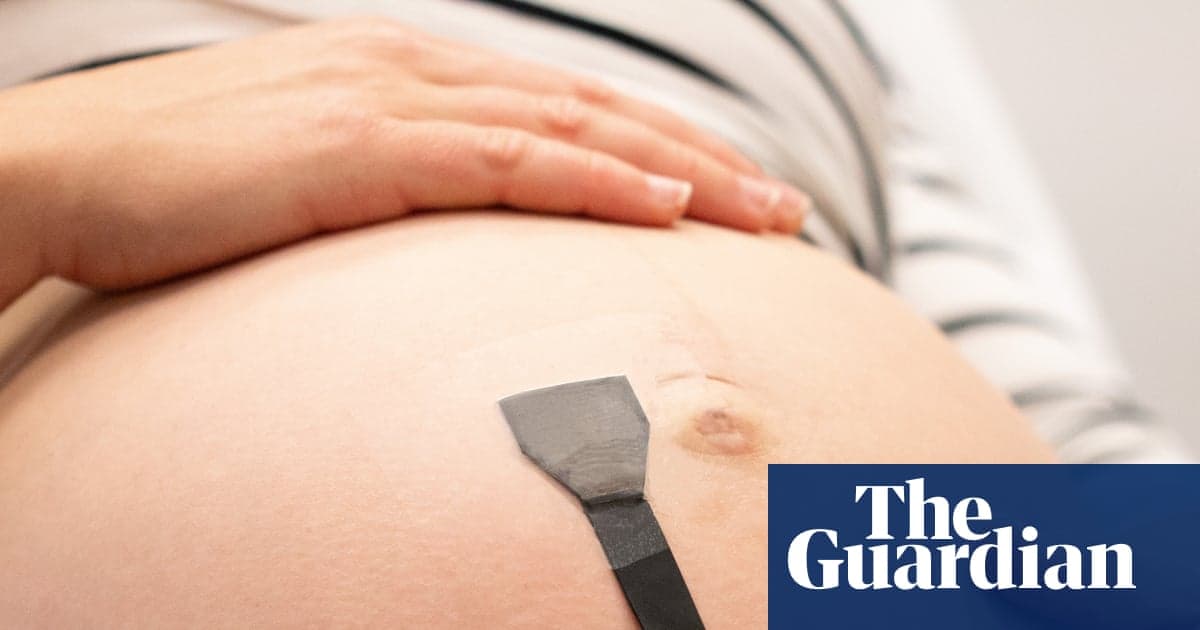
Scientists Create Wearable Ultrasound to Continuously Monitor Babies in Womb
Why It Matters
Continuous fetal monitoring could dramatically lower stillbirth rates and give clinicians actionable data between clinic visits, reshaping prenatal care worldwide.
Key Takeaways
- •UPatch provides hours‑long continuous fetal ultrasound imaging.
- •Trial of 62 women showed measurements match standard handheld devices.
- •Detected intra‑uterine growth restriction leading to timely C‑section.
- •Dynamic blood‑flow data reveal fluctuations missed by intermittent scans.
- •Wireless version aims for home use and low‑resource deployment.
Pulse Analysis
The UPatch represents a leap forward in obstetric imaging, marrying miniaturized ultrasound transducers with sophisticated signal‑processing algorithms to overcome motion artefacts and depth‑related signal loss. Unlike traditional handheld probes that require skilled operators for brief snapshots, this patch adheres to the abdomen and streams data for hours, offering clinicians a continuous physiological baseline for each pregnancy. The technology’s ability to track fetal blood flow in real time opens new diagnostic windows for conditions such as pre‑eclampsia, where early detection is critical.
In the initial clinical evaluation, 62 pregnant volunteers wore the patch while researchers compared its blood‑flow and heart‑rate readings against standard ultrasound devices. The results showed near‑identical measurements, validating the patch’s accuracy. More importantly, the device captured a severe case of intra‑uterine growth restriction that would likely have been missed by intermittent scans, leading to an emergency C‑section that prevented a stillbirth. These findings underscore the limitations of episodic monitoring and illustrate how continuous data can inform timely interventions, potentially reshaping prenatal risk‑assessment protocols.
Looking ahead, the transition to a fully wireless, battery‑powered version could democratize advanced fetal monitoring, especially in low‑ and middle‑income regions where access to skilled sonographers is limited. Market analysts project a multi‑billion‑dollar opportunity for wearable prenatal devices as insurers and health systems seek cost‑effective ways to reduce adverse outcomes. Regulatory pathways appear favorable, given the device’s reliance on established ultrasound safety standards, while ongoing collaborations with health‑tech startups suggest rapid commercialization and integration into tele‑medicine platforms.
Scientists create wearable ultrasound to continuously monitor babies in womb
Comments
Want to join the conversation?
Loading comments...