SkyQuest Projects Medical Devices Market to Reach $1.86 Trillion by 2033 on 5.6% CAGR

Why It Matters
The projected 5.6% CAGR signals a sustained shift toward technology‑heavy medical devices, reshaping how care is delivered and financed. As AI and robotics become standard components, hospitals will need to re‑train staff and redesign workflows, while insurers must adapt reimbursement policies to cover digital‑enabled procedures. For device makers, the forecast underscores the urgency of integrating software, data security and connectivity into product pipelines. Companies that lag in digital transformation risk losing market share to agile competitors that can offer integrated hardware‑software solutions, potentially accelerating consolidation in the sector.
Key Takeaways
- •Global medical devices market valued at $1.136 billion in 2024
- •Projected to reach $1.855 billion by 2033
- •Implied CAGR of 5.6% for 2026‑2033
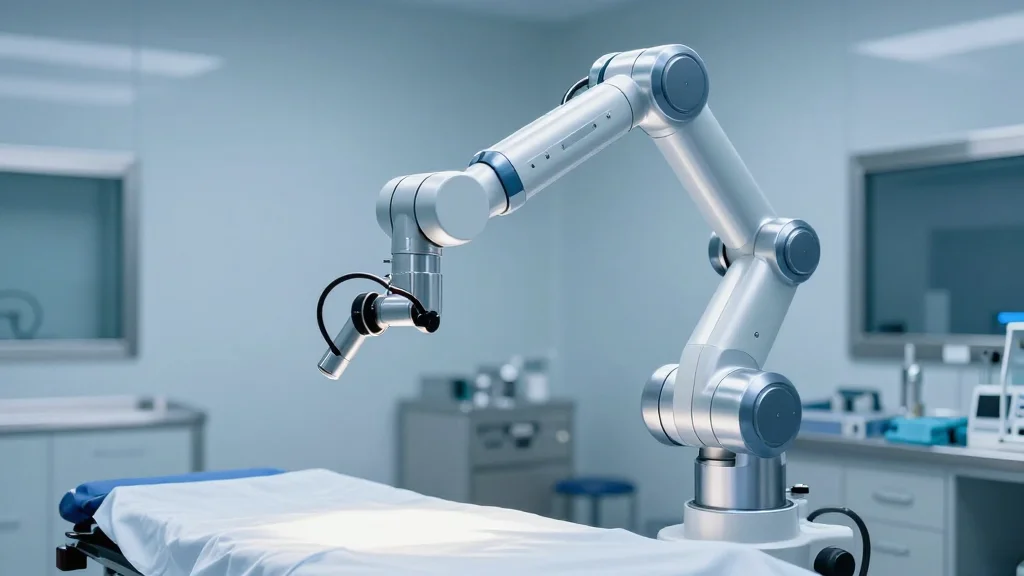
- •Growth driven by AI, robotics, IoT and minimally invasive tech
- •Aging populations and chronic disease prevalence boost demand
Pulse Analysis
SkyQuest’s forecast arrives at a pivotal moment when health systems are grappling with post‑pandemic capacity constraints and a surge in chronic disease burden. The 5.6% CAGR aligns with a broader digital health wave that began in the early 2020s, where data‑centric devices have moved from niche applications to core clinical pathways. Historically, medical device growth has been modest, hovering around 3‑4% annually; the current outlook suggests a structural acceleration powered by software integration.
From a competitive standpoint, the report implicitly favors firms that have already built ecosystems around their hardware—think of companies like Medtronic, Siemens Healthineers and Abbott, which bundle devices with cloud platforms and analytics services. Smaller innovators that specialize in AI algorithms or wearable sensors may find lucrative partnership opportunities, but they also face heightened scrutiny over data privacy and regulatory compliance. The mention of supply‑chain and cybersecurity risks hints at potential bottlenecks that could create a divide between well‑capitalized incumbents and emerging players.
Looking ahead, the $1.86 trillion market size will likely influence capital allocation across the health‑tech sector. Venture capitalists may double down on AI‑driven diagnostics, while private equity firms could target consolidation plays to assemble end‑to‑end solutions. Policymakers will need to balance reimbursement incentives with safeguards against over‑medicalization, ensuring that the promised efficiency gains translate into real patient outcomes. In sum, SkyQuest’s numbers are more than a market snapshot; they map the trajectory of a health ecosystem increasingly defined by data, connectivity and the imperative to treat complex, chronic conditions at scale.
SkyQuest Projects Medical Devices Market to Reach $1.86 Trillion by 2033 on 5.6% CAGR
Comments
Want to join the conversation?
Loading comments...