Smartwatches Detect Incomplete Recovery Days After Patients Feel Better, Study Finds
Companies Mentioned
Why It Matters
The findings reveal that symptom‑based clearance may leave patients physiologically vulnerable, especially after severe COVID‑19, prompting clinicians to adopt objective wearable metrics for safer recovery timelines.
Key Takeaways
- •Moderate‑to‑severe COVID patients needed >60 extra recovery days.
- •Smartwatch HRV data lagged symptom resolution for flu and strep.
- •Current CDC five‑day return rule may underestimate true recovery.
- •Wearables offer clinicians objective metrics for post‑infection clearance.
Pulse Analysis
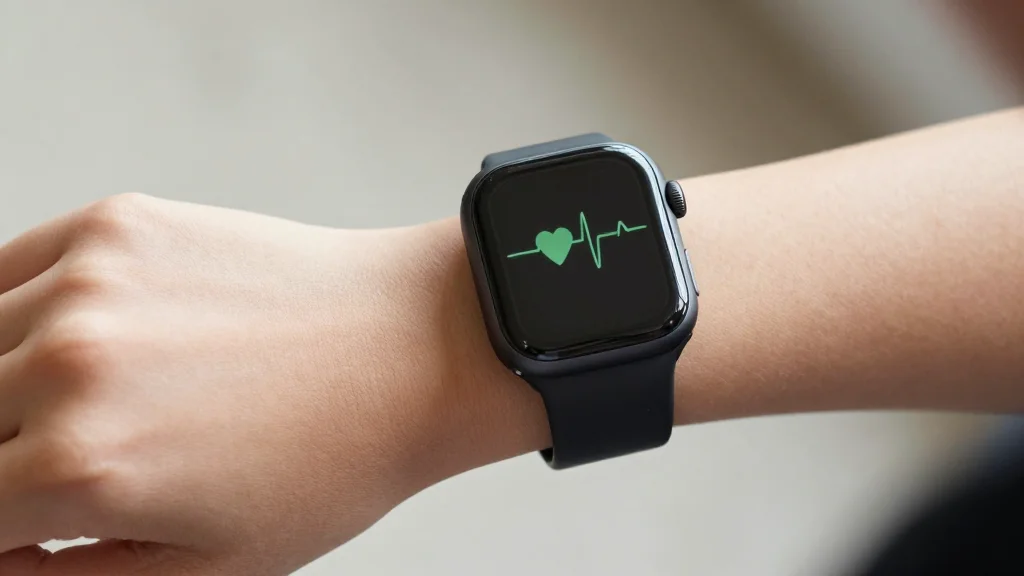
The rapid expansion of consumer wearables has turned everyday devices into continuous health monitors, and this study showcases their potential in post‑infectious care. By analyzing heart‑rate variability and resting heart rate from Garmin smartwatches, researchers identified a "digital recovery" point that often lagged behind self‑reported symptom resolution. This objective signal is especially valuable for remote patient monitoring platforms that aim to replace in‑person visits with data‑driven insights, reinforcing the broader telehealth shift toward continuous, real‑time health data.
Public‑health guidelines, such as the CDC’s five‑day rule for returning to normal activities after COVID‑19, rely heavily on symptom cessation. The study’s data suggest that for moderate‑to‑severe cases, physiological recovery can extend two months beyond that window, raising concerns about premature activity resumption and potential complications. Clinicians could leverage smartwatch metrics to personalize clearance decisions, reducing the risk of relapse or long‑COVID sequelae while maintaining patient confidence in evidence‑based recommendations.
Looking ahead, integrating wearable‑derived recovery markers into electronic health records and care pathways will require standardization, validation against medical‑grade devices, and clear reimbursement models. As the technology matures, insurers and health systems may adopt these metrics to support value‑based care contracts, rewarding providers for preventing post‑viral setbacks. Despite limitations such as sample bias and reliance on consumer devices, the study underscores a pivotal opportunity: turning passive data streams into actionable clinical tools that enhance patient safety and optimize recovery timelines.
Smartwatches Detect Incomplete Recovery Days After Patients Feel Better, Study Finds
Comments
Want to join the conversation?
Loading comments...