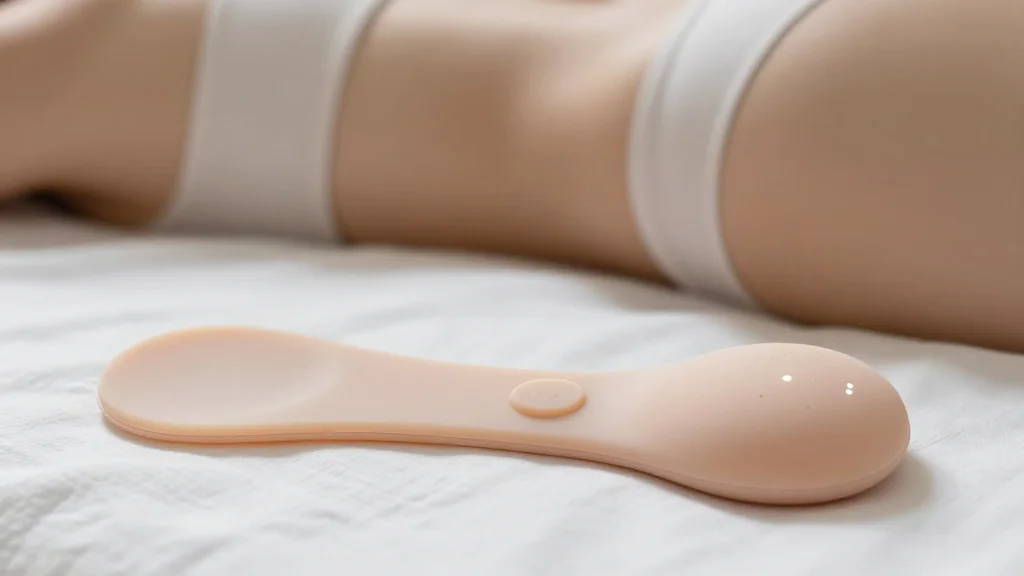
Smile Makers Debuts $69 Pelvic‑Floor Wearable, Aiming to Democratize At‑Home Women’s Health

Companies Mentioned
Why It Matters
The Pelvic Partner illustrates how consumer‑focused HealthTech can lower barriers to preventive care, especially for conditions that have historically been stigmatized or relegated to clinical settings. By offering a low‑cost, data‑free alternative, the device may encourage broader adoption of pelvic‑floor exercises, potentially reducing the long‑term demand for expensive physical‑therapy services and improving quality of life for millions of women. If the product succeeds, it could signal a shift toward more discreet, hardware‑only health tools that prioritize user privacy and affordability. This trend would challenge the dominance of subscription‑based platforms and could reshape investment priorities within the broader digital health ecosystem.
Key Takeaways
- •Smile Makers launched the Pelvic Partner wearable at $69
- •Device uses 360‑degree squeeze sensors and vibration biofeedback
- •Targets women with pelvic‑floor dysfunction, a condition affecting ~25 % of women of reproductive age
- •Price undercuts traditional therapy ($100‑$200 per visit) and rivals’ devices ($200‑$300)
- •Launch coincides with an 18 % YoY growth in the at‑home medical device market
Pulse Analysis
Smile Makers’ entry into the pelvic‑floor space leverages the brand’s existing cultural capital in sexual wellness to break down the taboo surrounding women’s intimate health. By stripping away the app layer, the Pelvic Partner sidesteps two common friction points: subscription fatigue and data‑privacy anxiety. This hardware‑only model could appeal to a demographic that values simplicity and discretion over the gamified experience offered by competitors like Elvie.
From a market perspective, the $69 price point is a strategic gamble. While it dramatically expands the addressable audience, it also squeezes margins that traditionally fund R&D and post‑sale support. The company will likely rely on volume sales and cross‑selling of complementary wellness products to sustain profitability. If the device gains traction, it may prompt larger players to introduce lower‑priced tiers or to bundle hardware with free software, intensifying price competition in a segment that has been relatively premium.
Looking ahead, the Pelvic Partner’s success will hinge on real‑world efficacy data and user adherence. HealthTech investors will watch for clinical validation studies that can transform the device from a wellness accessory into a credible therapeutic tool. Should such evidence emerge, insurers might consider partial reimbursement, further accelerating adoption. In the meantime, the launch underscores a broader industry movement: turning niche, clinician‑centric treatments into everyday consumer products that empower users to manage their own health.
Smile Makers Debuts $69 Pelvic‑Floor Wearable, Aiming to Democratize At‑Home Women’s Health
Comments
Want to join the conversation?
Loading comments...