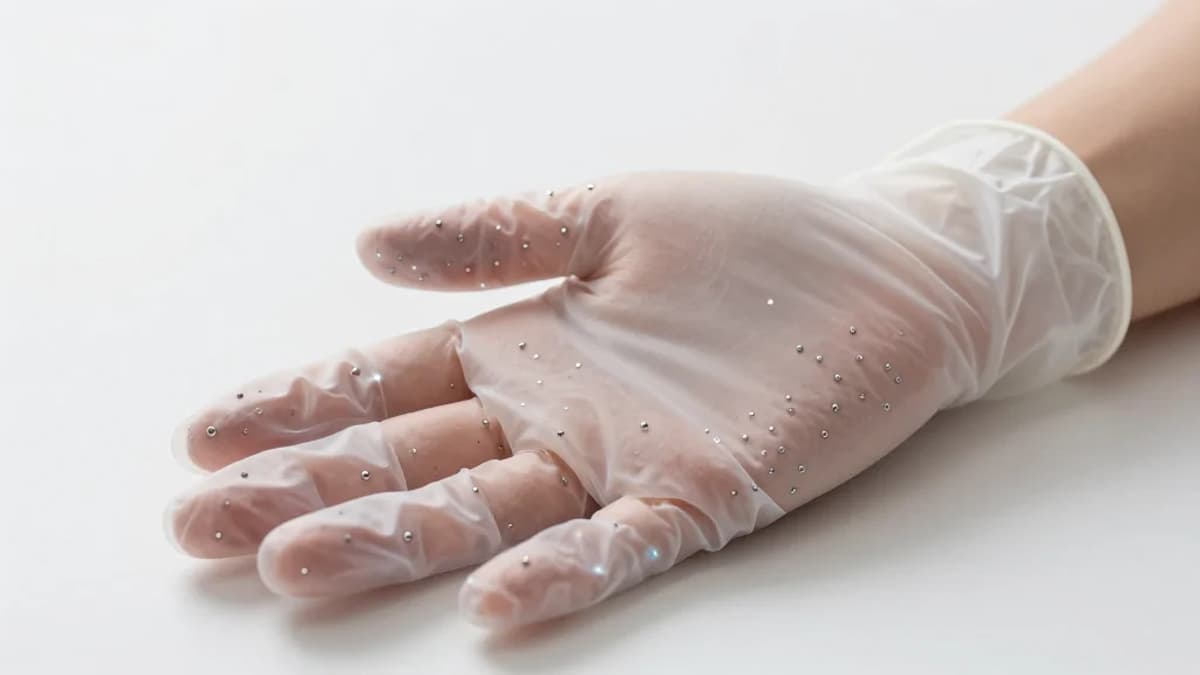
Soft-Robotic Glove Uses 37 Actuators to Cut Hand Swelling by up to 25%
•February 25, 2026
0
Why It Matters
The technology offers a scalable, at‑home solution for hand edema, reducing reliance on clinic‑based manual lymphatic drainage and opening new markets for personalized soft‑robotic medical wearables.
Key Takeaways
- •37 SMA actuators deliver sequential hand compression.
- •Up to 25% hand volume reduction in single session.
- •Home‑use safe; study with seven participants.
- •Customizable fit via software‑driven knitting platform.
- •Builds on prior KnitDema and MediKnit soft‑robotics.
Pulse Analysis
Soft‑robotic wearables are moving from experimental labs into everyday clinical practice, and EdemaFlex exemplifies that transition. By integrating shape‑memory‑alloy springs into a knitted textile, the glove provides gentle, programmable compression that mimics manual lymphatic drainage without therapist supervision. The use of two yarn types, including a spandex‑infused "Sting" yarn, gives the device the stretch and durability needed for repeated home use, while the printed circuit board coordinates the 37 actuators for distal‑to‑proximal fluid mobilization.
A standout feature of EdemaFlex is its personalized manufacturing pipeline. Clinicians capture a patient’s hand geometry, convert it into a bitmap, and feed the data into an automated knitting machine that produces a custom‑fit prototype. This rapid‑iteration loop enables adjustments to actuator placement and compression intensity, ensuring the glove aligns with each user’s lymphatic pathways and comfort preferences. The study’s results—average volume reductions of 3‑5% and a peak 25% drop—demonstrate that precise, data‑driven design can translate into measurable therapeutic outcomes.
The broader implications for the medical device market are significant. Home‑based edema management reduces clinic visits, cuts costs, and improves patient adherence, especially for chronic conditions like rheumatoid arthritis or post‑surgical swelling. As regulatory pathways for soft‑robotic medical textiles mature, platforms like EdemaFlex could expand to lower‑extremity applications, women's health, and other localized edema treatments, positioning soft robotics as a versatile, patient‑centric therapy modality.
Soft-robotic glove uses 37 actuators to cut hand swelling by up to 25%
0
Comments
Want to join the conversation?
Loading comments...