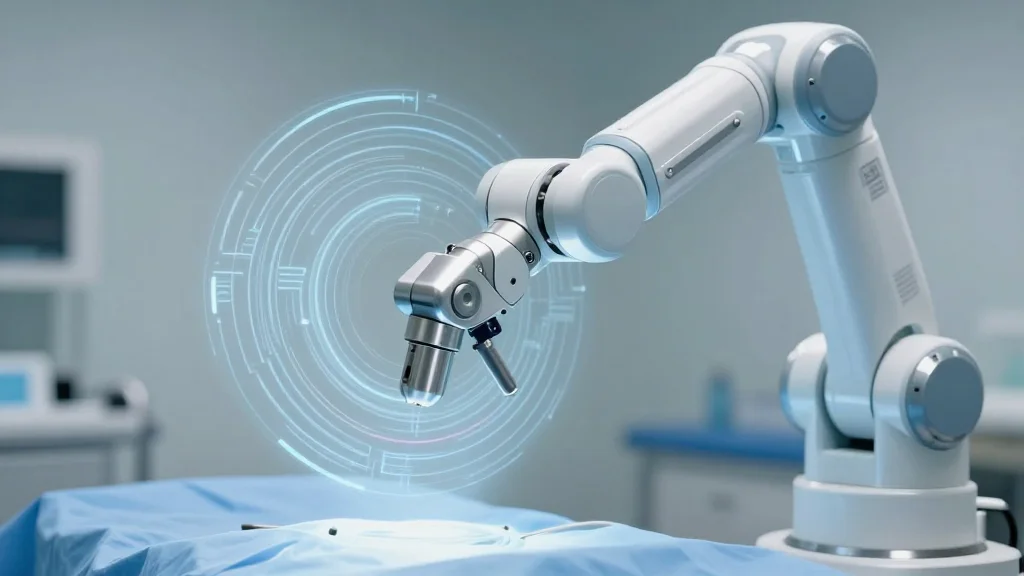
The Perioperative AI Reality Check: Why Hospital Tech Fails Without Clinician Co-Design
Companies Mentioned
Why It Matters
Without clinician co‑design, AI investments fail to improve perioperative efficiency, jeopardizing patient safety and hospital revenue. Properly aligned solutions can cut cancellations, reduce staff burnout, and protect surgical margins.
Key Takeaways
- •AI succeeds when it automates paperwork, not clinical judgment
- •Clinician co‑design drives adoption and reduces workflow friction
- •Seamless EHR integration eliminates extra logins and training overhead
- •Clear metrics (cancellation rates, scheduling time) prove ROI
- •Leadership must involve clinicians early to avoid shelfware
Pulse Analysis
The perioperative AI boom has been marked by lofty promises and disappointing rollouts. Vendors often showcase sleek dashboards, yet the tools they deliver clash with the realities of a bustling OR—adding clicks, duplicating data entry, and ignoring the nuanced decision‑making of anesthesiologists and PAT nurses. This mismatch stems from a development process that excludes the very users who will operate the system daily, resulting in low adoption rates and sunk costs for hospitals seeking efficiency gains.
Successful AI adoption follows three core principles. First, automate the tedious, such as chart retrieval, patient outreach, and scheduling, which consume up to 60% of a perioperative nurse’s day but require no clinical judgment. Second, embed the solution within existing workflows so clinicians never leave their primary EHR interface; the AI should surface insights invisibly, not force a new application. Third, involve clinicians from day one as co‑designers, not just beta testers, ensuring the tool solves real pain points and aligns with clinical language and timing.
Hospitals must shift from technology‑first purchasing to clinician‑led, metric‑driven implementation. Leaders should define concrete success indicators—time from surgery scheduling to completed assessment, percentage of patients optimized two weeks pre‑op, and day‑of‑surgery cancellation rates—before signing contracts. Pilot programs with clear feedback loops allow rapid iteration, while dedicated change‑management resources train staff and address behavioral resistance. When executed correctly, AI can slash cancellations, boost surgical revenue, and alleviate staff burnout, turning perioperative care into a model of operational excellence.
The Perioperative AI Reality Check: Why Hospital Tech Fails Without Clinician Co-Design
Comments
Want to join the conversation?
Loading comments...