The Virtual Pivot: Reformulating Nursing Care Through Remote Health Monitoring
Why It Matters
By converting routine monitoring into a proactive, data‑driven process, hospitals can stretch limited nursing staff while improving outcomes, a critical advantage amid nationwide nurse shortages and rising cost pressures.
Key Takeaways
- •RPM boosts nurse availability by 43% for direct patient care.
- •Virtual mentors let veteran nurses guide novices in real time.
- •Hybrid care reduces blind spots, improving patient safety across units.
- •Remote monitoring aligns with value‑based care, enhancing KPI performance.
- •Digital safety net shifts interventions from reactive to proactive.
Pulse Analysis
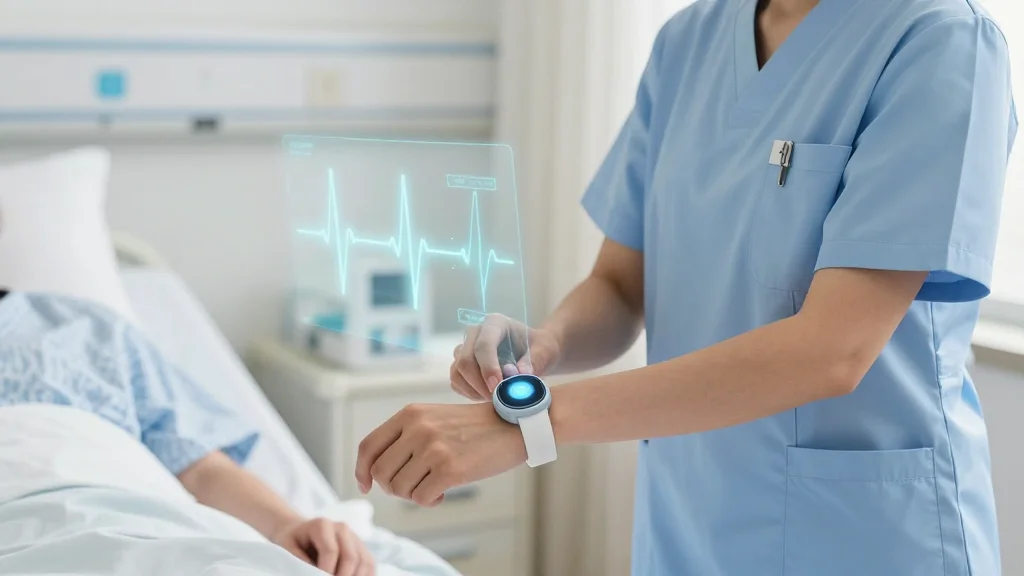
The nursing profession faces a historic talent crunch, prompting leaders to look beyond traditional bedside staffing. Remote patient monitoring (RPM) and telehealth platforms now serve as extensions of the nurse’s clinical eye, delivering continuous vital signs, movement data, and alerts directly to a central dashboard. This digital overlay transforms static care delivery models into dynamic ecosystems where nurses can prioritize high‑risk patients, allocate time more efficiently, and maintain a holistic view of each individual's health trajectory.
Beyond surveillance, the virtual pivot introduces a mentorship layer that leverages the expertise of seasoned nurses who may no longer be able to perform physically demanding tasks. High‑definition video links enable these veterans to provide real‑time guidance during complex procedures, effectively multiplying the workforce’s intellectual capital. Studies cited in the article indicate a 43.1% rise in direct‑care capacity when such virtual mentorship is paired with RPM, illustrating how technology can act as a force multiplier for both skill development and patient safety.
From a financial perspective, the hybrid model dovetails with the shift toward value‑based reimbursement, where outcomes and patient satisfaction drive revenue. Continuous monitoring reduces adverse events, shortens lengths of stay, and streamlines admission and discharge workflows, directly impacting key performance indicators (KPIs) such as readmission rates and patient satisfaction scores. As hospitals adopt this agile, data‑rich approach, they position themselves to meet regulatory expectations, improve fiscal health, and sustain a resilient nursing workforce for the digital age.
The Virtual Pivot: Reformulating Nursing Care Through Remote Health Monitoring
Comments
Want to join the conversation?
Loading comments...