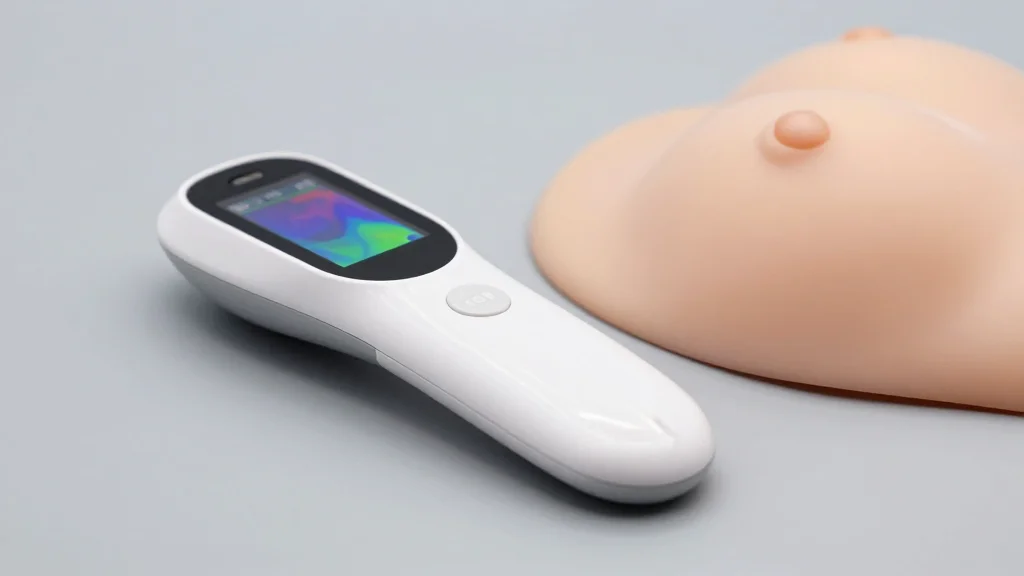
This Hand-Held Cancer Probe Feels What Surgeons May Miss and Changes How Tumors Are Found in Real Time
Why It Matters
Real‑time, tactile feedback can reduce positive margins, lowering re‑operation rates and improving patient outcomes, while the low‑cost design makes the technology accessible to more hospitals.
Key Takeaways
- •Hand‑held probe uses optical elastography to detect tissue stiffness
- •Prototype costs $1,200, half price of benchtop equivalents
- •Wireless design offers one‑hour battery life and 6 mm field of view
- •Aims to improve tumor margin detection during breast‑conserving surgery
- •Potential uses include skin lesion assessment and other palpation tasks
Pulse Analysis
Breast‑conserving surgery relies on surgeons’ ability to excise tumors while sparing healthy tissue, yet intra‑operative margin assessment remains a challenge. Traditional methods such as frozen‑section pathology or intra‑operative imaging add time, cost, and sometimes miss microscopic disease. The new hand‑held probe addresses this gap by providing surgeons with immediate tactile and visual cues, enabling more precise excision and potentially reducing the need for repeat surgeries.
The probe leverages stereoscopic optical palpation, a form of optical elastography that quantifies tissue stiffness through light‑based measurements. When the surgeon gently compresses tissue, the device captures deformation data and translates it into a real‑time elasticity map displayed on a handheld screen. Designed for ergonomics, the wireless unit offers a six‑millimetre square field of view, a battery life of at least one hour, and a prototype cost of roughly $1,200—significantly lower than the $3,000 price tag of existing benchtop systems. These specifications were refined through direct consultation with operating‑room clinicians, ensuring the tool fits seamlessly into surgical workflows.
Beyond breast cancer, the technology’s ability to sense mechanical differences opens doors for other procedures that depend on palpation, such as evaluating skin lesions or assessing organ firmness during minimally invasive surgeries. If clinical trials confirm its accuracy, the probe could become a standard adjunct in operating rooms, driving down re‑operation costs and improving oncologic outcomes. Its affordable price point also positions it well for adoption in community hospitals and emerging markets, potentially reshaping intra‑operative diagnostics across the global surgical landscape.
This hand-held cancer probe feels what surgeons may miss and changes how tumors are found in real time
Comments
Want to join the conversation?
Loading comments...