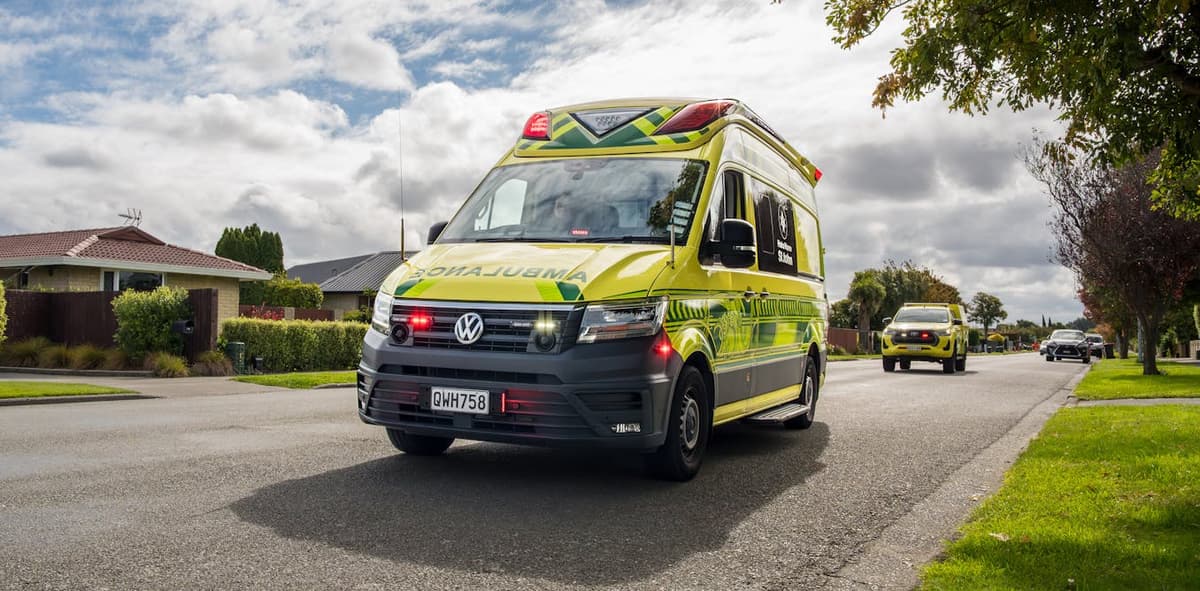
Time Is Critical when Someone’s Heart Stops – Portable Defibrillators Could Save More Lives
Why It Matters
Earlier defibrillation is proven to triple survival odds, so expanding portable AED access directly improves public health outcomes and reduces mortality from cardiac arrests. The findings push policymakers and emergency services toward investing in mobile defibrillator programs.
Key Takeaways
- •GoodSAM alerts reach volunteers for 40% of out‑of‑hospital arrests.
- •Community defibrillation triples when responders act before ambulance arrival.
- •Only 2% of home cardiac arrests receive AED shocks from bystanders.
- •Mobile AEDs could boost survival especially in rural and residential settings.
Pulse Analysis
Out‑of‑hospital cardiac arrest remains a leading cause of sudden death in New Zealand, with roughly seven cases daily and a survival rate below 13%. Time is the critical factor: each minute without defibrillation reduces the chance of survival by 7% to 10%. The GoodSAM platform, launched in 2018, leverages smartphone geolocation to alert trained volunteers within seconds of an emergency call, offering a potential shortcut to life‑saving care before ambulances, which average an eight‑minute arrival, can intervene.
Despite the proven benefits of early shocks, static AEDs are underutilised. The national registry shows only 6% of out‑of‑hospital arrests receive community‑delivered defibrillation, and the disparity is stark between settings: 15% in public venues versus a mere 2% at home, where 72% of arrests occur. Barriers such as unknown AED locations, locked cabinets, and after‑hours inaccessibility impede rapid retrieval, leaving many victims without timely treatment. This gap underscores the need for a more flexible solution that brings the device to the patient rather than the patient to the device.
Mobile AEDs, now lightweight enough to fit in a backpack, promise to overcome these obstacles. Pilot trials in New Zealand and a U.S. rural community demonstrate that responders equipped with portable units can deploy them on demand, dramatically increasing early shock delivery. As GoodSAM volunteers become more likely to carry these devices, survival odds could rise substantially, especially in remote regions where ambulance response exceeds ten minutes. Policymakers, health insurers, and emergency services should consider funding portable AED kits for volunteer networks, integrating them into existing dispatch protocols to create a seamless, community‑driven first‑response system.
Time is critical when someone’s heart stops – portable defibrillators could save more lives
Comments
Want to join the conversation?
Loading comments...