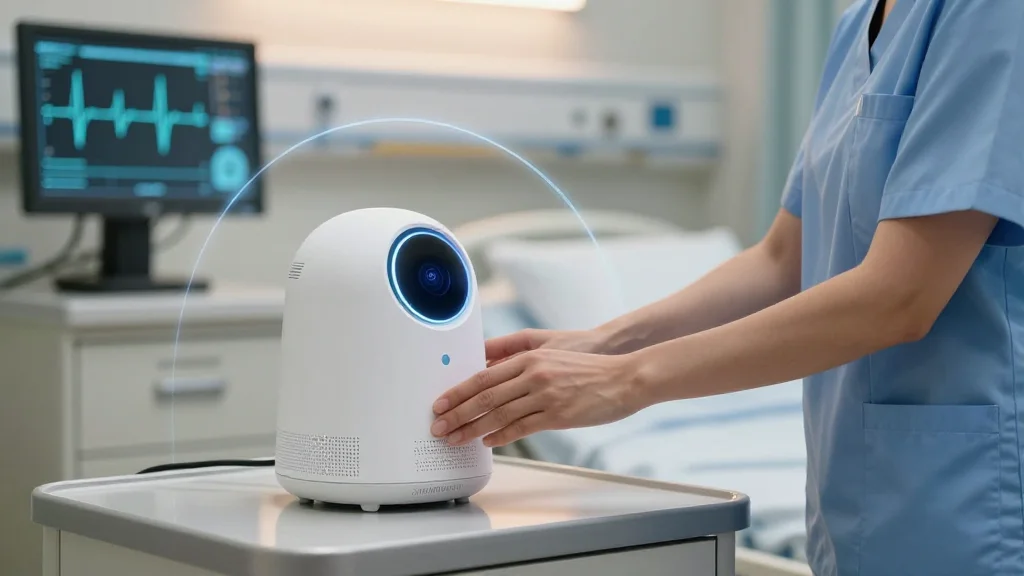
Turning AI Into Real Support for Skilled Nursing Teams
Why It Matters
AI that reduces documentation burden and provides actionable risk alerts directly addresses staffing shortages and regulatory pressure, delivering faster care and better compliance for the long‑term‑care market.
Key Takeaways
- •Data interoperability is prerequisite for reliable AI in SNFs
- •AI-driven documentation cuts chart review time, boosting audit readiness
- •Clinician-in-the-loop design builds trust and drives adoption
- •Executive sponsorship and nurse champion cohorts accelerate AI rollout
- •Predictive alerts enable proactive care, reducing resident readmissions
Pulse Analysis
Artificial intelligence is moving from pilot projects to core operations in skilled‑nursing facilities, driven by a perfect storm of staffing shortages, higher resident acuity, and tighter regulatory scrutiny. Yet the technology’s potential hinges on one foundational element: interoperable, high‑quality clinical data. When resident information flows seamlessly from hospitals to post‑acute settings, predictive models can generate accurate risk scores and care recommendations. Without that data backbone, AI tools produce noisy alerts that erode confidence and waste precious clinician time, making integration a non‑negotiable first step.
Front‑line nurses will only adopt AI when it removes friction rather than adds another screen to toggle. Embedding AI‑assisted documentation directly into the electronic health record lets clinicians receive real‑time prompts about missing chart elements, potential safety events, and audit gaps without leaving their workflow. A clinician‑in‑the‑loop approach—where the algorithm suggests but the caregiver decides—preserves professional judgment and builds trust. Transparent explanations of why an alert fires further reinforce confidence, turning what could be a disruptive pop‑up into a useful decision‑support companion.
Successful rollouts follow a three‑stage playbook: executive sponsorship, a nurse champion cohort, and peer‑led scaling. Senior leaders such as chief nursing officers must publicly champion AI, allocate resources, and shield pilot teams from unrealistic timelines. Early adopters—tech‑savvy nurses—test the tools in live settings, capture time‑saved metrics, and surface edge cases for refinement. When these champions become on‑unit trainers, adoption accelerates because peers trust peers. Measurable outcomes—shorter documentation cycles, higher survey readiness, and fewer avoidable hospitalizations—demonstrate ROI, encouraging broader investment across the long‑term‑care sector. The momentum positions AI as a strategic differentiator for forward‑thinking providers.
Turning AI Into Real Support for Skilled Nursing Teams
Comments
Want to join the conversation?
Loading comments...