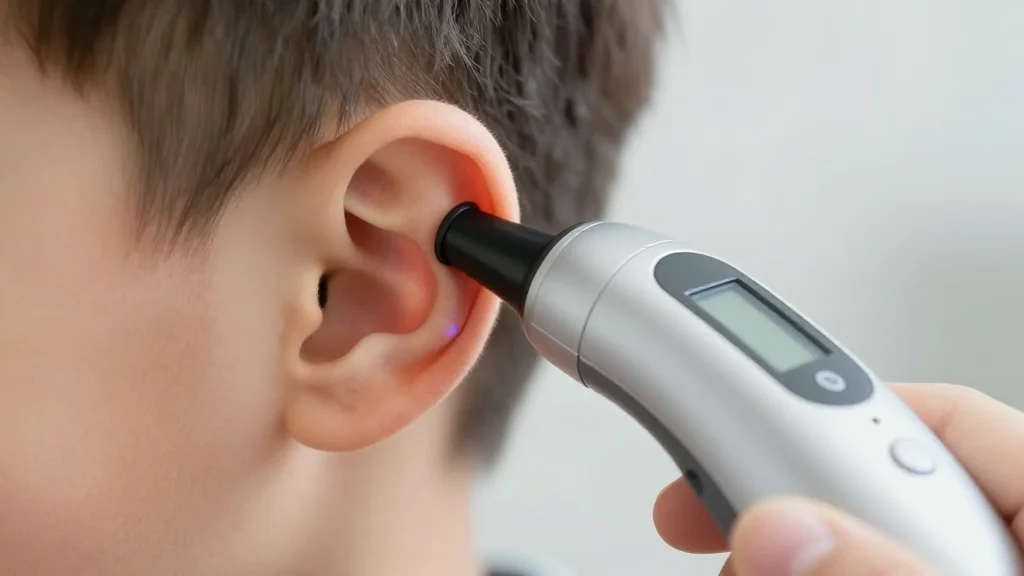
TytoCare Gets FDA De Novo Clearance for First AI Eardrum Diagnostic Tool

Why It Matters
The FDA De Novo clearance creates a precedent for AI‑driven diagnostic tools in specialties that have traditionally relied on in‑person examinations. By formalizing a regulatory pathway, the decision reduces uncertainty for investors and developers, encouraging faster innovation cycles. For patients, especially children who account for the bulk of ear‑related visits, the technology promises quicker, more accurate assessments that can be performed at home, easing the burden on overtaxed primary‑care networks. Beyond the immediate clinical benefits, the clearance signals a shift toward data‑centric care models where AI continuously learns from multimodal inputs. As TytoCare expands its AI suite, the industry may see a cascade of similar clearances, reshaping reimbursement structures and prompting insurers to incorporate AI‑validated remote exams into covered services.
Key Takeaways
- •TytoCare received FDA De Novo classification for its AI‑powered ENT Suite, the first of its kind in otolaryngology.
- •The tool analyzes otoscopic video using a database of 1.6 million ear images to detect eardrum bulging.
- •Ear‑related conditions generate about 20 million doctor visits annually in the United States.
- •AI‑driven detection aims to cut unnecessary antibiotic prescriptions and improve timely treatment.
- •The clearance establishes a new regulatory category, opening the door for additional AI diagnostic devices.
Pulse Analysis
TytoCare’s De Novo clearance arrives at a moment when telehealth usage, spurred by the pandemic, remains high but faces scrutiny over diagnostic accuracy. By securing a formal regulatory category, TytoCare not only validates its technology but also reduces the compliance risk that has hampered broader AI adoption in specialty care. Historically, AI tools have struggled to gain traction in fields requiring visual interpretation, such as dermatology and radiology, due to limited pathways for clearance. This decision could accelerate a wave of specialty‑focused AI devices, prompting incumbents like Philips and newer entrants to fast‑track similar solutions.
From a market perspective, the clearance may shift competitive dynamics. TytoCare’s integrated hardware‑software model—combining a connected otoscope with cloud‑based AI—offers a turnkey solution that rivals fragmented approaches where clinicians must source separate imaging devices and third‑party analytics. If pilot programs demonstrate cost savings and improved outcomes, insurers are likely to incorporate AI‑validated remote exams into value‑based contracts, further incentivizing adoption. However, the technology’s reliance on high‑quality video capture could limit its effectiveness in low‑resource settings, suggesting that future iterations will need to address hardware accessibility.
Looking ahead, the regulatory precedent set by the FDA could influence policy discussions around AI oversight, data privacy, and post‑market surveillance. As more AI diagnostics enter the market, regulators may refine the De Novo framework to balance innovation with patient safety. For TytoCare, the next milestone will be proving real‑world clinical impact at scale, a test that will determine whether the company can translate regulatory success into sustainable market share.
TytoCare Gets FDA De Novo Clearance for First AI Eardrum Diagnostic Tool
Comments
Want to join the conversation?
Loading comments...