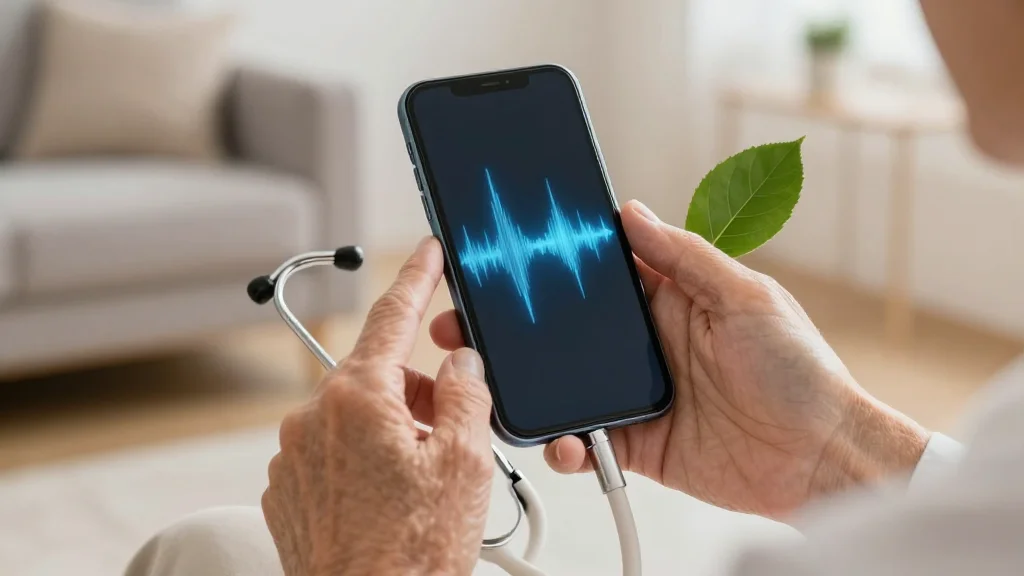
Voice Therapy App Improving Outcomes for Parkinson’s Patients at University Hospitals of Derby and Burton
Why It Matters
The app boosts clinical efficiency and expands access to care, illustrating how digital health can improve outcomes for chronic‑disease patients while easing system pressures.
Key Takeaways
- •Voice therapy app saved 14‑17 hours of clinician time monthly
- •Six additional therapy slots per week now available
- •Patients can complete exercises at home, reducing hospital visits
- •Pilot earned UHDB’s Making a Difference Award for digital innovation
Pulse Analysis
The voice‑therapy application deployed at University Hospitals of Derby and Burton marks a practical step toward remote management of Parkinson’s disease. By pairing an initial face‑to‑face assessment with prescribed home exercises, the platform frees 14‑17 hours of therapist time each month, translating into six extra weekly slots. This efficiency not only shortens waiting lists but also enhances patient autonomy, allowing individuals to maintain vital communication skills without frequent travel to the hospital.
The initiative aligns with a broader NHS digital transformation, where patient‑facing technologies are gaining traction. Recent pilots, such as the Talking Therapies improvement challenge in Tees, Esk and Wear Valleys, reveal high device usage among seniors yet highlight concerns about perceived impersonality. Parallel programmes—including Wales’s OpenEyes electronic referral system for eye care and augmented‑reality visualisation at Chelsea and Westminster Hospital—demonstrate how diverse digital tools can streamline workflows, improve diagnostic clarity, and foster patient engagement across specialties.
Looking ahead, scaling voice‑therapy solutions could yield significant cost savings and clinical benefits nationwide. As digital literacy improves and reimbursement models adapt, remote therapeutic platforms may become standard for chronic neuro‑degenerative conditions, reducing hospital burden while delivering personalized, data‑driven care. Stakeholders should monitor outcomes data and patient satisfaction metrics to refine implementation strategies and ensure equitable access across the NHS.
Voice therapy app improving outcomes for Parkinson’s patients at University Hospitals of Derby and Burton
Comments
Want to join the conversation?
Loading comments...