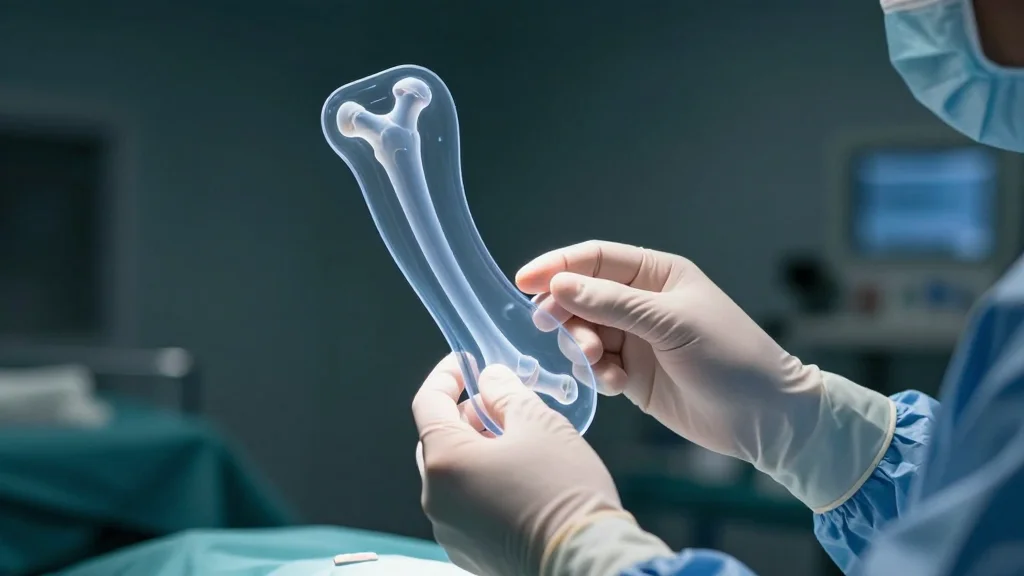
When Surgeons Say ‘Wow’: A Game Changer for Orthopaedic Surgery
Key Takeaways
- •3D planning cuts MDT preparation time by up to 50%
- •Surgeons rehearse fractures, reducing intra‑operative surprises and blood loss
- •Single‑incision procedures become feasible, lowering tissue trauma
- •In‑house planning replaces costly third‑party orthopaedic software
Pulse Analysis
Digital orthopaedic planning is moving from niche to mainstream as hospitals seek to streamline complex surgeries. Sectra’s 3‑D reconstruction platform, now deployed across the SWASH+ consortium, gives surgeons a virtual sandbox to manipulate fracture fragments, test reduction strategies, and pre‑shape implants before the patient enters the theatre. This capability aligns with broader NHS digital transformation goals, where real‑time imaging and AI‑enhanced tools are expected to cut waiting times and improve outcomes. By integrating the software with existing PACS, clinicians can generate multiple surgical scenarios in minutes, a stark contrast to the ten‑minute manual templating that previously dominated pre‑op workflows.
The operational impact is immediate and quantifiable. Multidisciplinary team meetings that once stretched over hours are now condensed to half the duration, freeing clinicians to focus on patient interaction and decision‑making. Surgeons report a marked reduction in intra‑operative surprises, translating to fewer clamps, less vascular injury, and an average blood‑loss drop of several hundred millilitres per case. The ability to plan a single‑incision approach for elbow fractures, for example, not only shortens operative time but also diminishes postoperative pain and rehabilitation periods, delivering tangible patient‑centred benefits.
Beyond clinical gains, the financial upside is compelling. By internalising high‑precision planning, trusts avoid licensing fees for external orthopaedic software, potentially saving millions annually across the NHS. The scalability of Sectra’s solution means other specialties—spine, trauma, and even cardiac surgery—can adopt similar workflows, fostering a culture of data‑driven, risk‑aware care. As more trusts observe these results, the technology is poised to become a standard component of surgical suites, reshaping how complex orthopaedic cases are prepared and executed.
When surgeons say ‘wow’: A game changer for orthopaedic surgery
Comments
Want to join the conversation?