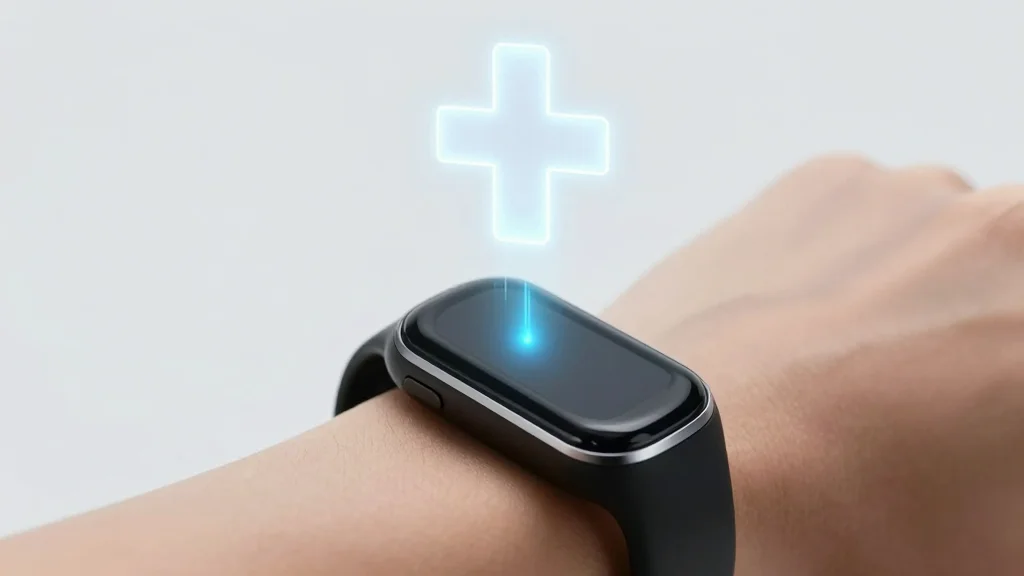
Whoop Adds AI‑Driven In‑App Medical Consultations, Expanding Wearable Into Telehealth

Companies Mentioned
Why It Matters
Whoop’s AI‑driven medical consultation service blurs the line between fitness tracking and clinical care, signaling a new revenue model for wearable makers. By leveraging continuous biometric data in real time, the platform could improve early detection of health issues and personalize treatment pathways, potentially reducing downstream medical costs. The move also pressures traditional telehealth providers to incorporate richer data streams, accelerating convergence across the digital‑health ecosystem. If the service gains traction, it could reshape consumer expectations: wearables may become the default gateway to medical advice, shifting patients toward on‑demand, data‑rich consultations. Regulators, insurers, and employers will need to adapt to a landscape where health data is not only monitored but actively interpreted by AI and clinicians within a single consumer app.
Key Takeaways
- •Whoop launches AI‑driven in‑app medical consultations for U.S. users, summer 2026 rollout
- •Service pairs continuous biometric data with live video chats with licensed clinicians
- •Extra charge added to existing membership; exact pricing not disclosed
- •AI highlights trends from weeks of wearable data, blood work, and medical history
- •Launch positions Whoop against telehealth giants and raises regulatory and privacy considerations
Pulse Analysis
Whoop’s entry into AI‑enhanced telehealth reflects a strategic pivot from pure hardware to a hybrid subscription model that monetizes data as a service. Historically, wearables have struggled to translate sensor data into revenue beyond device sales; the company’s $200 million ARR in 2025 suggests a solid user base but limited monetization depth. By bundling clinician access, Whoop taps into a higher‑margin segment, echoing the broader health‑tech trend where data‑rich platforms command premium pricing.
The competitive advantage lies in the seamless flow of real‑time physiological metrics into the clinical encounter. While Teladoc and Amwell rely on patient‑provided information, Whoop can automatically surface actionable insights, potentially shortening consult times and improving diagnostic accuracy. However, the value proposition hinges on clinicians trusting AI‑derived signals—a hurdle that will require rigorous validation studies and possibly FDA clearance. Early adopters may view the service as a convenience rather than a clinical necessity, limiting uptake unless Whoop can demonstrate tangible health outcomes.
From an investor perspective, the launch could unlock new growth vectors. If the paid tier captures even 10% of Whoop’s 1.5 million members, the incremental revenue could exceed $30 million annually, a meaningful boost to the bottom line. Yet the upside is tempered by execution risk: scaling clinician networks, navigating HIPAA compliance, and managing cross‑border regulatory approvals will test operational capacity. In the longer term, successful integration of AI and telehealth could position Whoop as a platform for employer‑sponsored wellness programs, where bulk contracts could amplify revenue and cement the brand’s role in corporate health strategies.
Whoop Adds AI‑Driven In‑App Medical Consultations, Expanding Wearable Into Telehealth
Comments
Want to join the conversation?
Loading comments...