Your Meal as an Energy Source: Harvesting Heat to Power Smart Ingestible Devices
Why It Matters
These advances showcase how biology‑inspired adaptation and waste‑derived materials can power next‑generation devices while cutting environmental impact, a critical shift for the tech and health sectors.
Key Takeaways
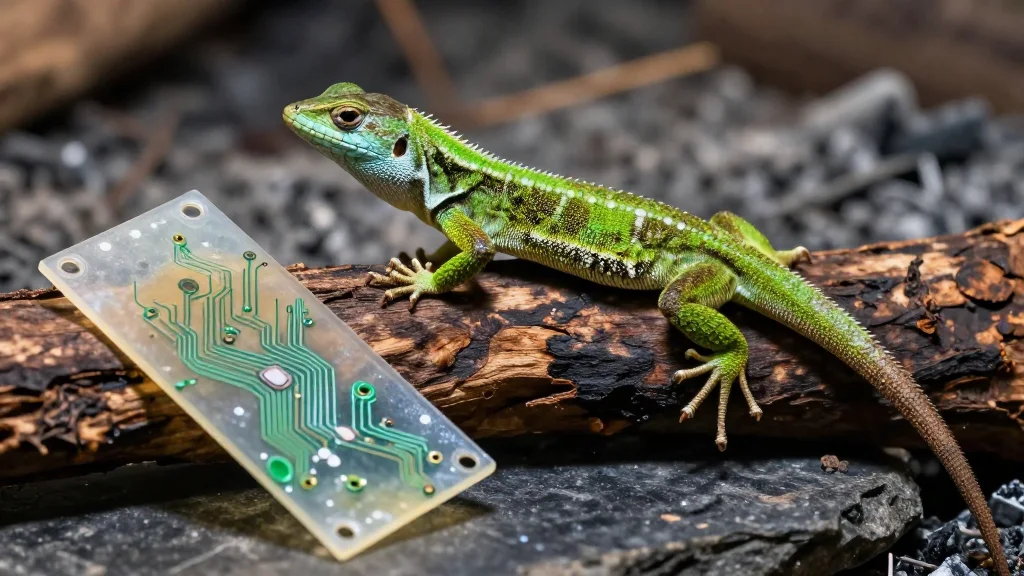
- •Lizards lighten skin to reflect post‑fire heat
- •Color reverts as vegetation recovers
- •Kombucha waste forms stable biodegradable circuits
- •Green electronics reduce e‑waste and carbon footprint
- •kickSTART accelerates commercial green‑chemistry projects
Pulse Analysis
Thermoelectric harvesting from the human body is moving beyond wrist‑worn wearables toward ingestible devices that convert meal‑derived heat into usable power. By leveraging the temperature gradient created during digestion, engineers can sustain sensors that monitor gut health, drug release, or metabolic markers without external batteries. This approach aligns with a broader push for self‑powered medical electronics, reducing waste and improving patient compliance, while also opening new revenue streams for biotech firms developing smart pills.
Parallel to bio‑energy, the electronics industry is turning to nature‑derived feedstocks for component fabrication. Researchers have demonstrated that the cellulose‑rich pellicle produced during kombucha fermentation can be processed into flexible, biodegradable substrates and conductive inks. These materials retain mechanical integrity while decomposing harmlessly after use, addressing the mounting e‑waste crisis. Early prototypes include disposable environmental sensors and transient medical patches, suggesting a viable market for low‑cost, sustainable circuitry that meets stringent performance standards.
The kickSTART initiative amplifies these innovations by providing funding, mentorship, and industry linkages to early‑career chemists focused on green chemistry. By prioritising scalable synthesis routes, waste minimisation, and life‑cycle assessment, the program accelerates the transition from laboratory proof‑of‑concept to commercial production. Companies adopting kickSTART‑backed technologies can lower carbon footprints, comply with emerging regulations, and differentiate themselves in a market increasingly driven by sustainability criteria. Collectively, these trends signal a paradigm shift where biological inspiration and circular‑economy principles become core drivers of future tech development.
Your meal as an energy source: harvesting heat to power smart ingestible devices
Comments
Want to join the conversation?
Loading comments...