Zimmer Biomet Says Its SynTuition Algorithm Enhances Diagnostic Certainty
•February 25, 2026
0
Why It Matters
By reducing diagnostic ambiguity, SynTuition can lower unnecessary revision surgeries, cut healthcare costs, and improve patient safety in a market lacking a gold‑standard PJI test.
Key Takeaways
- •SynTuition matches expert diagnosis 96% of cases.
- •Physicians achieved 91% accuracy with high indecision rates.
- •Algorithm lowers uncertain diagnoses to 0.4%.
- •Projected savings of $4,000 per suspected infection case.
- •Unnecessary revision surgeries could drop up to 6%.
Pulse Analysis
Periprosthetic joint infection remains one of orthopedics’ most vexing complications, affecting 1‑2% of primary joint replacements and often eluding a definitive test. Traditional culture‑based methods suffer from false‑negatives, especially with low‑virulence organisms, leading clinicians to rely on a patchwork of criteria that can vary widely between hospitals. The resulting diagnostic uncertainty drives costly revision surgeries, prolonged antibiotic courses, and extended hospital stays, creating a clear market need for more reliable, data‑driven solutions.
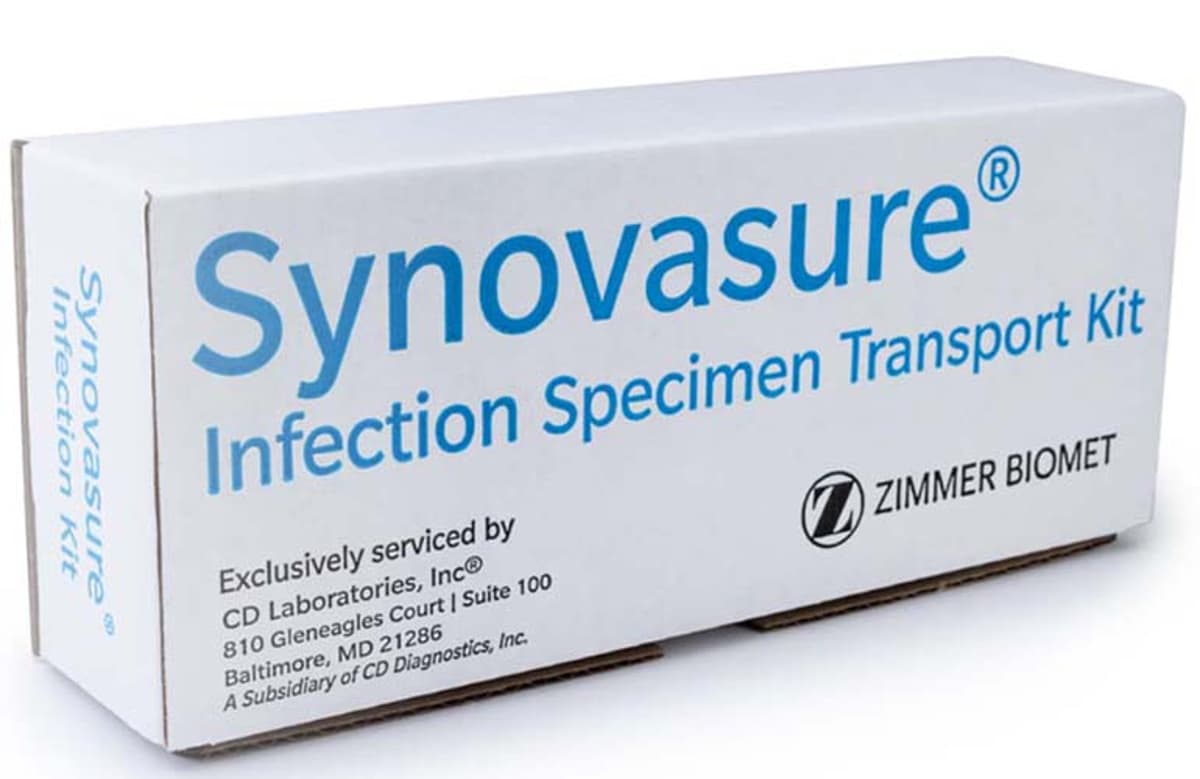
SynTuition addresses this gap by applying a supervised machine‑learning model to the results of Zimmer’s Synovasure panel, which measures eleven synovial fluid biomarkers. The algorithm translates these biomarker patterns into a probability score from 0 to 100, allowing clinicians to quantify infection risk even when cultures are inconclusive. In the recent multi‑center evaluation, SynTuition achieved 96% concordance with expert adjudication, reduced indeterminate cases to 0.4%, and outperformed a pooled physician cohort that left up to half of cases undecided. These performance gains translate directly into clinical confidence, enabling surgeons to avoid unnecessary revisions and tailor antibiotic regimens more precisely.
The broader implications extend beyond a single product. Demonstrated cost savings of roughly $4,000 per suspected case and a projected 6% reduction in unnecessary surgeries position SynTuition as a compelling value proposition for hospitals facing pressure to contain expenses while maintaining quality outcomes. As payers increasingly tie reimbursement to evidence‑based pathways, AI‑enhanced diagnostics like SynTuition could become integral to orthopedic care protocols, prompting further investment in data infrastructure and regulatory scrutiny. Early adopters may gain a competitive edge, while the industry watches for real‑world evidence that validates machine‑learning tools as a new standard for infection diagnostics.
Zimmer Biomet says its SynTuition algorithm enhances diagnostic certainty
0
Comments
Want to join the conversation?
Loading comments...