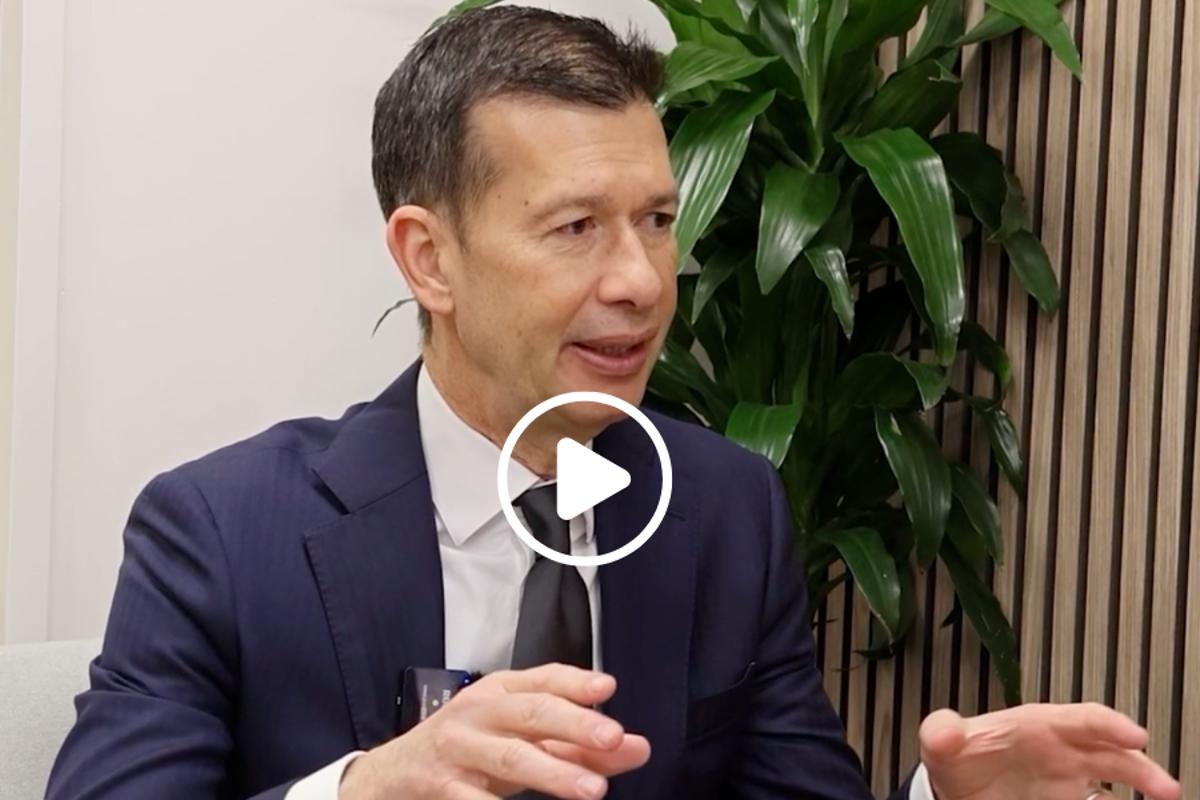
Hedge Funds Are Back in Favour. Getting an Allocation Is Another Matter
Why It Matters
The shift forces hedge‑fund managers to prove unique, defensible alpha, reshaping capital flows and raising entry barriers for new funds, which will influence portfolio construction across the industry.
Key Takeaways
- •Volatility and market dispersion revive hedge fund return potential
- •Allocation now judged on passive beta, strategy alpha, unique alpha
- •Fixed‑income relative value and emerging‑market credit offer strongest alpha
- •New managers need $400‑$500 million AUM and institutional‑grade ops
- •Institutional allocators demand proven track record and operational robustness
Pulse Analysis
The early 2020s have flipped the hedge‑fund landscape that was dominated by a decade of low‑volatility, central‑bank‑driven markets. Elevated price swings in equities, bonds and commodities have reopened opportunities for active managers, especially those that can navigate wide dispersion without being dragged by market beta. This environment contrasts sharply with the 2010s, when suppressed volatility pushed capital toward passive strategies and private assets, leaving many hedge funds struggling to justify their fees.
Against this backdrop, allocators are adopting a more granular, factor‑aware framework. Rather than evaluating a hedge‑fund allocation in isolation, investors now decompose returns into passive beta, strategy alpha and unique alpha. The last component—genuinely differentiated return—has become the decisive moat, rewarding managers with proprietary data, hard‑to‑replicate processes or exclusive market access. Boley points to fixed‑income relative‑value trades, where volatile government yields create pricing dislocations, and under‑invested emerging‑market credit as the current hotbeds of strategy alpha. These niches demand deep regime awareness, as the drivers of alpha shift with policy uncertainty and geopolitical risk.
The bar for emerging managers has risen dramatically. A launch that might have succeeded with $100 million AUM a decade ago now requires $400‑$500 million and institutional‑grade service providers to satisfy due‑diligence standards. Operational strength must match investment talent, and capital sources have moved from private‑bank backing to family offices and platform SMAs. As large platform funds near capacity and potentially return capital, allocators will likely rotate into the under‑invested strategies Boley highlighted, further concentrating demand on managers that can consistently deliver unique alpha. This tightening of standards is set to shape hedge‑fund capital flows for the next 12‑18 months.
Hedge funds are back in favour. Getting an allocation is another matter
Comments
Want to join the conversation?
Loading comments...