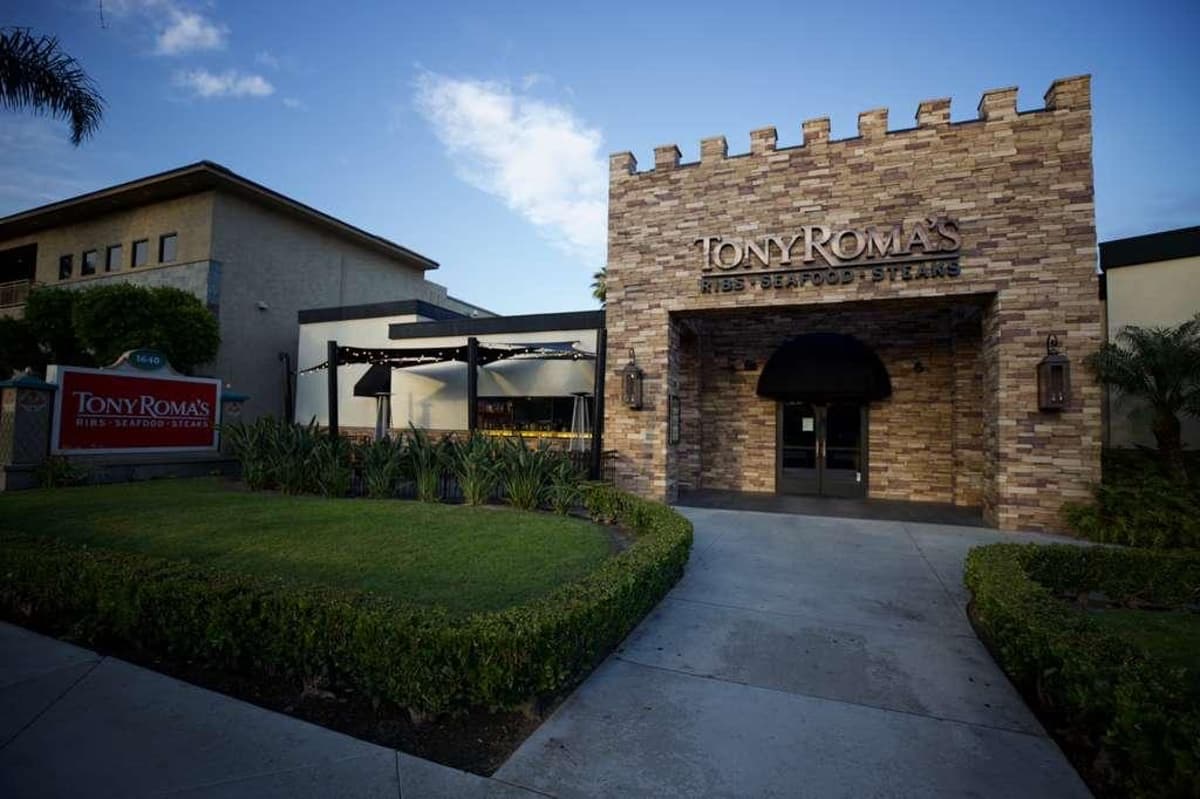
Optimizing Operations at a Legacy Brand
Key Takeaways
- •Tony Roma’s cuts restaurant size to 3,000 sq ft, cutting build cost 30%
- •AI-driven analytics personalize service and aid franchisee site selection
- •New fast‑casual prototype targets airports, malls, and university hubs
- •Franchise partners receive a turnkey operating system, not just brand rights
- •Menu core stays intact; limited‑time offers add regional flair
Pulse Analysis
Tony Roma’s strategic pivot reflects a broader industry trend where legacy chains are shedding oversized, cost‑heavy formats in favor of nimble, fast‑casual concepts. By reducing the average footprint from 7,000‑10,000 square feet to roughly 3,000, the brand trims capital expenditures by about a third and aligns its real‑estate model with today’s consumer preferences for convenience and speed. This downsizing also opens doors to non‑traditional locations—airports, mall food courts, and university campuses—where foot traffic is high and lease terms are more favorable than in suburban strip malls.
Technology is the linchpin of the transformation. AI‑powered predictive analytics feed into a unified operating system that automates back‑of‑house logistics while delivering invisible personalization at the front of house. Returning guests can have their favorite booth or dietary preferences recognized before they sit down, and adaptive lighting and soundscapes subtly adjust ambience throughout the day. For franchisees, the same data engine provides hyper‑local market insights, from optimal site selection to labor scheduling, reducing the operational burden and accelerating time‑to‑profit.
The franchise strategy emphasizes partnership over mere brand licensing. By bundling the brand with a high‑performance tech stack, Tony Roma’s offers prospective operators a turnkey solution that promises scalability and precision. This approach, coupled with a commitment to retain core menu items while experimenting with limited‑time offers, aims to protect loyal customers while attracting a younger, experience‑seeking demographic. If the rollout succeeds, it could set a precedent for how heritage restaurants modernize without sacrificing identity, influencing franchising models across the sector.
Optimizing Operations at a Legacy Brand
Comments
Want to join the conversation?