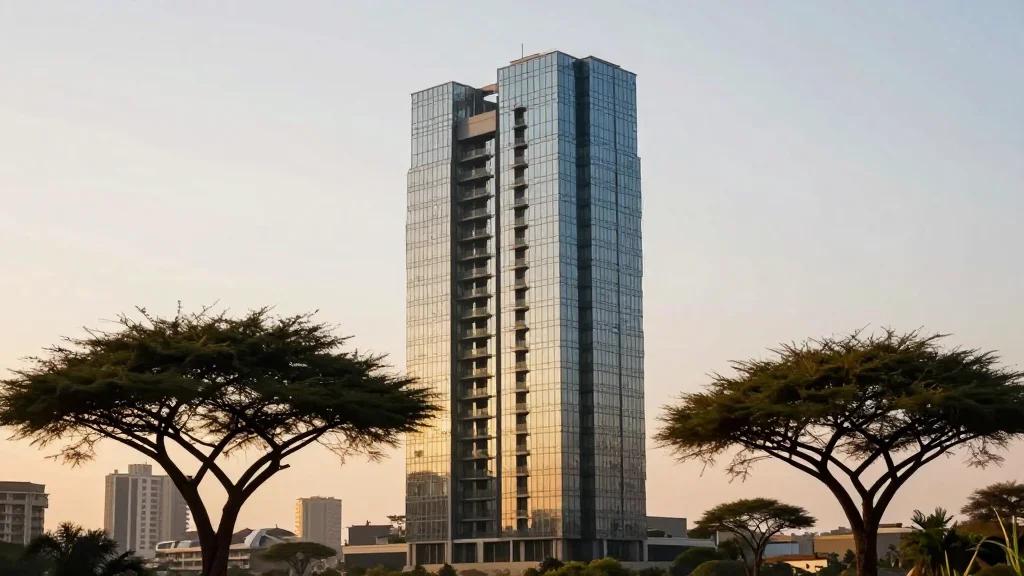
Ascott Launches Citadines Westview Nairobi, Expanding to 23 African Properties by 2028

Why It Matters
The Citadines Westview Nairobi launch underscores a shift in African hospitality toward flexible, hybrid accommodation models that blend hotel services with apartment‑style living. As business travel rebounds post‑pandemic and multinational firms deepen their African footprints, demand for high‑quality, longer‑stay options is rising faster than traditional hotel capacity can meet. By adding a mid‑scale, brand‑diverse offering, Ascott positions itself to capture a larger share of corporate and expatriate spend, potentially reshaping pricing dynamics in Nairobi’s upscale serviced‑apartment segment. Moreover, the partnership with Britam signals growing confidence among local institutional investors in the profitability of upscale hospitality assets. This could catalyze further private‑equity and sovereign‑wealth fund inflows into the region, accelerating development pipelines and intensifying competition among global operators seeking to lock in market share before the next wave of infrastructure projects unlocks additional demand.
Key Takeaways
- •Ascott signed a development agreement for Citadines Westview Nairobi, expanding its Kenyan footprint.
- •The new property will join Somerset Westview Nairobi, creating a mixed‑use complex in Kilimani.
- •Ascott’s African portfolio will grow to 23 properties and >2,800 units across 10 cities by 2028.
- •Partnership with local investor Britam provides institutional capital and local market insight.
- •Opening slated for late 2025, targeting both business travelers and long‑stay expatriates.
Pulse Analysis
Ascott’s aggressive expansion in Nairobi reflects a broader industry pivot toward hybrid accommodation that can serve both transient and extended‑stay guests. Historically, the African hospitality market has been dominated by traditional hotels, but the rise of serviced‑apartments—driven by multinational corporations and a mobile workforce—has created a niche with higher yield potential. By layering Citadines atop its existing Somerset brand, Ascott can cross‑sell loyalty benefits, optimize operational costs, and command premium ADRs across a wider guest spectrum.
The timing aligns with Nairobi’s infrastructural upgrades, including the Standard Gauge Railway and airport capacity enhancements, which are expected to boost inbound business traffic by double‑digit percentages over the next five years. As a result, Ascott’s move could set a benchmark for other global operators, prompting them to seek similar joint‑venture models with local investors. The Britam partnership illustrates a template where capital risk is shared, while operational expertise remains with the international brand—a formula that may become the norm as investors seek stable, inflation‑hedged assets in emerging markets.
Looking forward, Ascott’s success in Nairobi will likely influence its rollout strategy in other East African hubs such as Addis Ababa and Kigali. If occupancy and ADR targets are met, the company could accelerate its pipeline, potentially adding more than the projected 10 signings for 2028. Conversely, any misstep—whether in construction delays or misreading demand elasticity—could temper investor enthusiasm and slow the pace of upscale serviced‑apartment development across the continent.
Ascott Launches Citadines Westview Nairobi, Expanding to 23 African Properties by 2028
Comments
Want to join the conversation?
Loading comments...