Chef Stuart Ralston Launches Luxury Hotel Rooms at Edinburgh’s Lyla for $369 a Night

Companies Mentioned
Why It Matters
Stuart Ralston’s entry into boutique hospitality illustrates how culinary talent can diversify revenue streams in a market where restaurant margins are increasingly squeezed. By pairing a Michelin‑starred brand with high‑end lodging, Lyla creates a differentiated product that appeals to affluent travelers seeking immersive food experiences. The model could encourage other chefs to leverage their reputations for hotel ventures, reshaping the boutique hotel segment and intensifying competition for premium city‑center inventory. Edinburgh’s tourism engine, buoyed by festivals and historic attractions, provides a steady flow of visitors, making Ralston’s claim that rooms are “economically bulletproof” plausible. If the Lyla rooms achieve high occupancy, they may set a benchmark for price points and service standards in the city’s luxury boutique market, prompting existing hotels to elevate their culinary offerings or partner with celebrated chefs.
Key Takeaways
- •Chef Stuart Ralston adds four boutique hotel rooms above Lyla restaurant in Edinburgh.
- •Rooms start at £295 per night ($369) and feature bespoke design and a premium minibar.
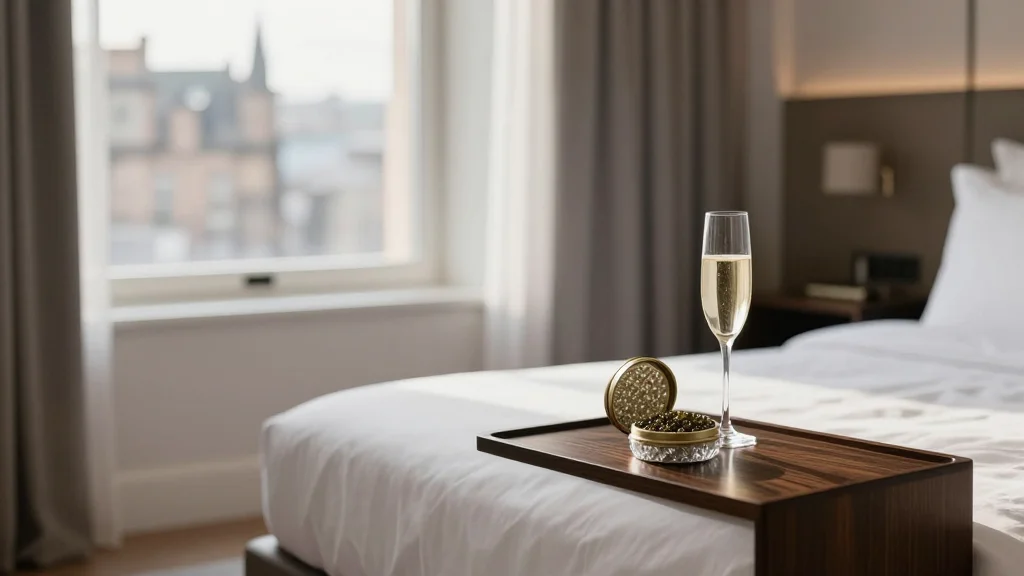
- •Minibar includes £50 ($62) caviar and a £350 ($438) bottle of Krug Grand Cuvee MV.
- •Ralston says hotel rooms are “economically pretty bulletproof” amid thin restaurant margins.
- •The venture reflects a growing trend of chefs expanding into boutique hospitality.
Pulse Analysis
The Lyla expansion is a micro‑case of how culinary prestige can be monetized beyond the plate. Historically, chefs have dabbled in hospitality—think of Thomas Keller’s Bouchon hotels or Gordon Ramsay’s boutique inns—but few have integrated the dining and lodging experiences as tightly as Ralston. By controlling both the kitchen and the guestroom, he can ensure a consistent brand narrative, from the caviar minibar to the breakfast picnic basket. This vertical integration reduces reliance on third‑party hotel operators and captures a larger share of the guest spend.
From a market perspective, Edinburgh’s boutique hotel segment has seen occupancy rates hover around 80% pre‑pandemic, with premium rooms commanding £250‑£350 per night. Ralston’s pricing at £295 positions Lyla squarely within that sweet spot, while the added culinary cachet justifies a slight premium. If the rooms achieve 70‑80% occupancy, the incremental profit could offset the thin margins of the restaurant, which typically sees net margins under 5% for fine‑dining establishments.
Looking ahead, the success of Lyla’s rooms could spark a wave of chef‑driven hotel concepts across the UK and Europe, especially in cities with strong tourism pull. Investors may view such hybrid models as lower‑risk assets, given the “bulletproof” nature of room revenue. However, scalability remains a question; replicating the intimate, design‑heavy approach at larger scales could dilute the brand’s exclusivity. For now, Ralston’s experiment offers a compelling blueprint for culinary entrepreneurs seeking to diversify in a volatile hospitality landscape.
Chef Stuart Ralston Launches Luxury Hotel Rooms at Edinburgh’s Lyla for $369 a Night
Comments
Want to join the conversation?
Loading comments...