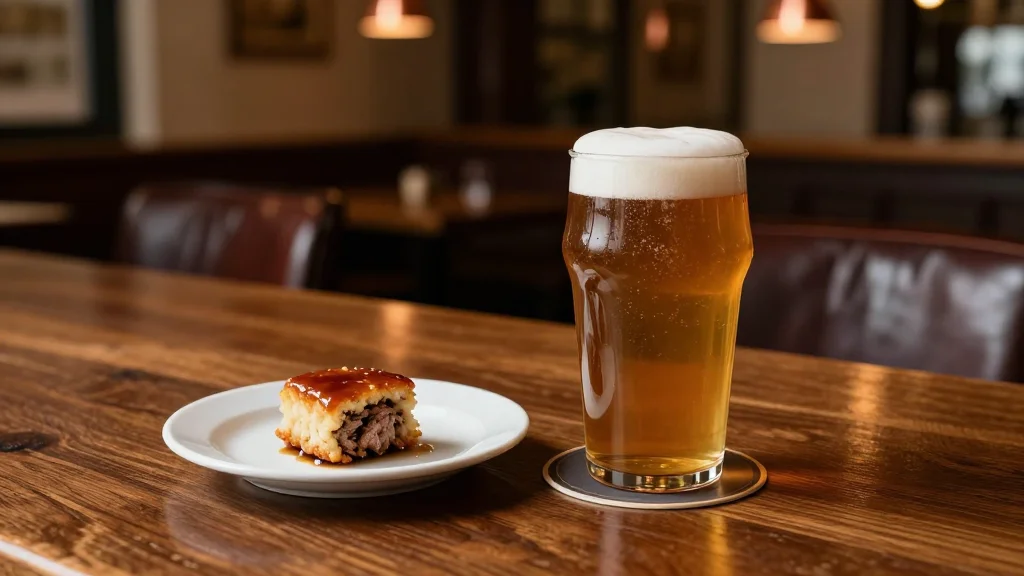
Chelsea Hotel Toronto Unveils Elm Tavern Gastropub to Capture Tourist and Local Diners

Why It Matters
The Elm Tavern launch underscores a pivotal shift in the hotel industry: food and beverage outlets are no longer ancillary services but core revenue drivers. As travelers increasingly prioritize experiential stays, hotels that embed high‑quality, locally resonant dining options can capture a larger share of tourists’ discretionary spend. Moreover, by opening the venue to the broader community, Chelsea Hotel Toronto positions itself as a neighborhood anchor, fostering brand affinity that extends beyond the typical guest lifecycle. If the gastropub model proves profitable, it could accelerate a wave of similar investments across Canada’s major hotel chains, prompting a reallocation of capital from traditional room‑only upgrades to multi‑use hospitality spaces. This evolution may also influence real‑estate decisions, with developers prioritizing mixed‑use designs that accommodate both lodging and vibrant public dining environments.
Key Takeaways
- •Chelsea Hotel Toronto introduces Elm Tavern, a British‑style gastropub with Canadian influences
- •Venue targets hotel guests, business travelers, and local Toronto diners
- •Concept emphasizes craft cocktails, regional beers and shareable comfort dishes
- •Launch aligns with Toronto’s tourism growth and hotels’ shift toward experiential dining
- •Success will be measured by foot traffic, average check size and repeat patronage
Pulse Analysis
Chelsea Hotel Toronto’s decision to add Elm Tavern reflects a broader strategic pivot in the hospitality sector, where ancillary services are being re‑engineered as primary profit centers. Historically, hotels relied on room revenue as the dominant metric, but the post‑pandemic landscape has forced operators to diversify income streams. By creating a venue that appeals to both guests and the surrounding community, the hotel mitigates the volatility of occupancy rates and taps into the steady demand for quality dining experiences.
The gastropub model also offers operational flexibility. Unlike fine‑dining restaurants that depend heavily on reservation cycles, a tavern can sustain a steady flow of patrons throughout the day, smoothing labor and supply chain costs. This adaptability is especially valuable in a market like Toronto, where business travel, tourism and local nightlife intersect. If Elm Tavern can achieve a healthy average check and maintain high table turnover, it could set a benchmark for other large‑scale hotels seeking to replicate the model.
Looking ahead, the key challenge will be balancing brand consistency with local relevance. While the British tavern aesthetic provides a recognizable theme, the infusion of Canadian flavors is essential to avoid the perception of a generic, imported concept. Successful execution will likely hinge on the hotel’s ability to source regional ingredients, rotate craft beer offerings and curate events that resonate with Toronto’s eclectic demographic. Should Elm Tavern meet these expectations, it may accelerate a cascade of lifestyle‑focused dining projects across the country, reshaping how hotels compete for both lodging and culinary market share.
Chelsea Hotel Toronto Unveils Elm Tavern Gastropub to Capture Tourist and Local Diners
Comments
Want to join the conversation?
Loading comments...