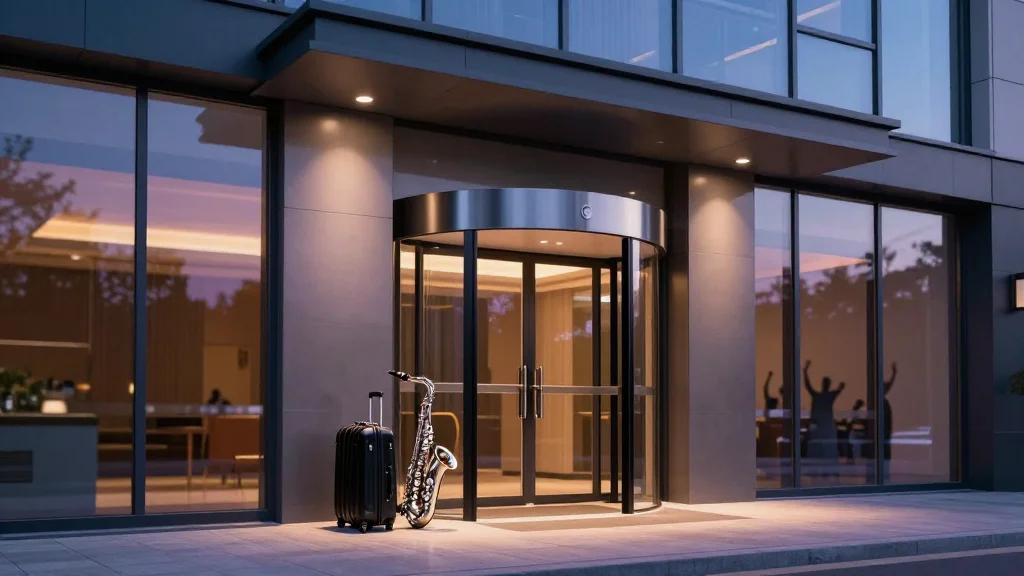
Concert Tourism Triggers 60‑80% Hotel Occupancy Surges in India's Tier‑II Cities

Why It Matters
The surge in concert‑driven travel redefines revenue streams for hotels outside India's traditional metropolitan hubs. By converting short‑term, high‑intensity demand into sustained occupancy gains, tier‑II properties can offset seasonal volatility and improve profitability. Moreover, the trend signals a broader shift in Indian consumer behavior toward experience‑centric spending, prompting the hospitality sector to rethink asset allocation, pricing models and partnership strategies. For policymakers, the data underscores the economic multiplier of cultural events, justifying continued investment in venue upgrades and transport links under initiatives like Swadesh Darshan 2.0. As the “Orange Economy” gains prominence, hotels that align with this ecosystem stand to capture a growing share of tourism spend that was previously concentrated in metros.
Key Takeaways
- •Nearly 500,000 fans traveled for concerts in 2024‑25, per a Ministry whitepaper
- •Hotel occupancy in tier‑II cities jumps 60‑80% during major concerts
- •Concert weekends generate ₹5‑15 crore ($0.6‑$1.8 million) in extra hospitality revenue
- •Tier‑II cities such as Chandigarh, Lucknow and Ahmedabad now feature on national tour circuits
- •Hotels are adopting dynamic pricing, block‑booking deals and data‑driven forecasting to capture event‑driven demand
Pulse Analysis
Concert tourism is effectively creating a new micro‑season for India's tier‑II hospitality market. Historically, these cities suffered from low occupancy outside peak holiday periods, forcing operators to rely on discounting to fill rooms. The 60‑80% occupancy spikes observed during live‑music events flip that script, turning what were once off‑peak weeks into high‑yield periods. This mirrors the "event‑driven" model seen in U.S. markets like Austin during SXSW, where hotels leverage a single cultural calendar to drive sustained revenue.
The strategic implication for hotel chains is twofold. First, they must integrate event calendars into revenue management systems, treating concerts as a distinct demand segment with its own price elasticity. Second, the rise of regional festivals reduces the concentration risk associated with metro‑only portfolios, diversifying geographic exposure. Independent hotels can especially benefit by forming co‑marketing agreements with local promoters, a tactic that bypasses the high acquisition costs of global OTAs.
Looking forward, the convergence of AI‑enabled demand forecasting and hyper‑local logistics—highlighted in recent Fortune India discussions—could sharpen hotels' ability to predict concert‑related surges weeks in advance. Cities that invest in better transport links and venue upgrades will likely attract larger acts, further amplifying the hospitality upside. In short, concert tourism is not a fleeting fad; it is reshaping the revenue architecture of India's hospitality sector and setting a template for experience‑driven growth across emerging markets.
Concert Tourism Triggers 60‑80% Hotel Occupancy Surges in India's Tier‑II Cities
Comments
Want to join the conversation?
Loading comments...