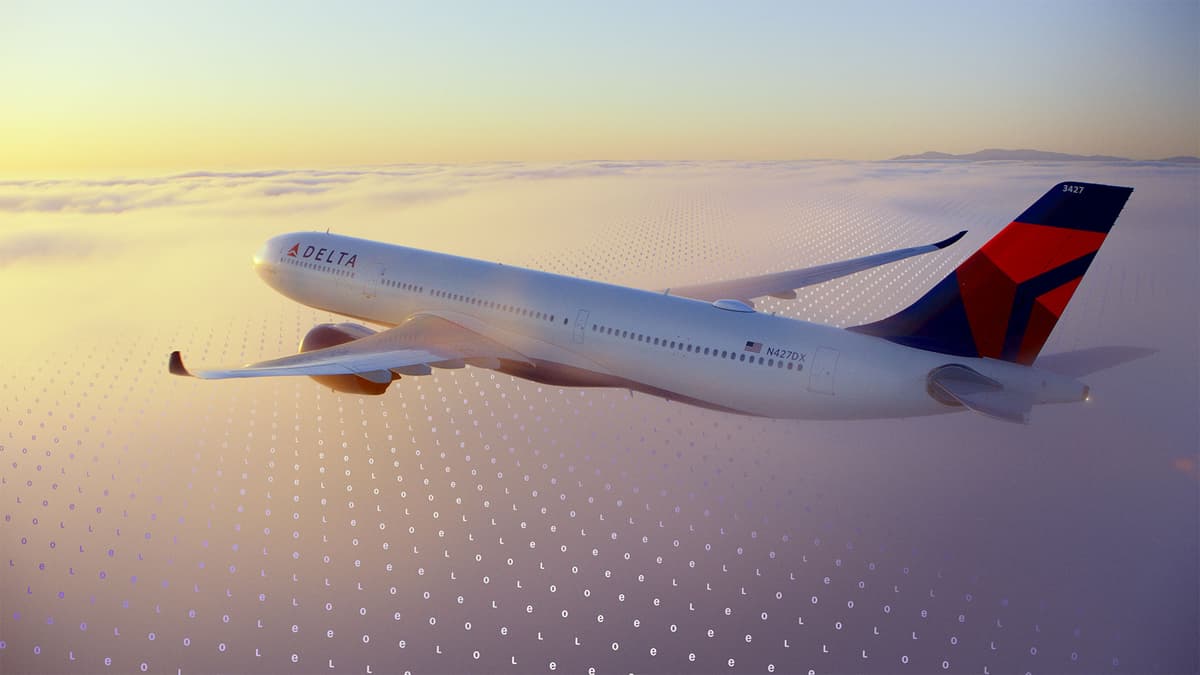
Delta Air Lines Passed On Starlink For A Reason More Valuable Than Wi-Fi
Companies Mentioned
Why It Matters
Delta’s choice highlights the growing tension between airline profitability through data monetization and the competitive pressure to deliver superior passenger connectivity. The outcome could reshape how carriers prioritize digital ecosystems versus raw bandwidth performance.
Key Takeaways
- •Delta will install Amazon Leo on 500 planes starting 2028
- •Starlink already serves United, Alaska, Air France, and others
- •Delta’s portal lets it track passengers and push personalized offers
- •United aims for fleet‑wide Starlink by end of 2027
- •Data control may cost Delta a near‑term Wi‑Fi edge
Pulse Analysis
Airlines are rapidly treating inflight connectivity as a digital storefront rather than a mere amenity. Delta’s agreement with Amazon Leo reflects a strategic bet on its existing relationship with AWS and the ability to embed the Delta Sync portal into every passenger’s Wi‑Fi session. By routing users through its branded login, Delta can harvest flight‑level data, cross‑sell SkyMiles benefits, and sell targeted ads—revenue streams that have become as vital as ticket sales.
The portal‑first approach, however, pits data ownership against raw performance. SpaceX’s Starlink offers low‑latency, high‑throughput service that works out of the box, a feature United Airlines is leveraging to roll out a fleet‑wide solution by 2027. Passengers accustomed to seamless, free Wi‑Fi may quickly notice any lag or throttling on Delta’s interim system, potentially eroding brand loyalty. In an industry where customers increasingly expect work‑ready connectivity, the speed differential could become a competitive differentiator.
Looking ahead, Delta’s gamble hinges on Amazon Leo’s ability to match or exceed Starlink’s speed once fully deployed. If Leo delivers comparable performance, Delta will reap the dual benefits of a modern satellite network and uninterrupted access to its valuable passenger data. Conversely, a delayed or underperforming rollout could hand United a clear advantage in passenger experience, forcing Delta to reassess the trade‑off between data control and service quality. The airline’s decision underscores a broader industry shift: connectivity is no longer just about bandwidth, but about who owns the digital relationship with the traveler.
Delta Air Lines Passed On Starlink For A Reason More Valuable Than Wi-Fi
Comments
Want to join the conversation?
Loading comments...