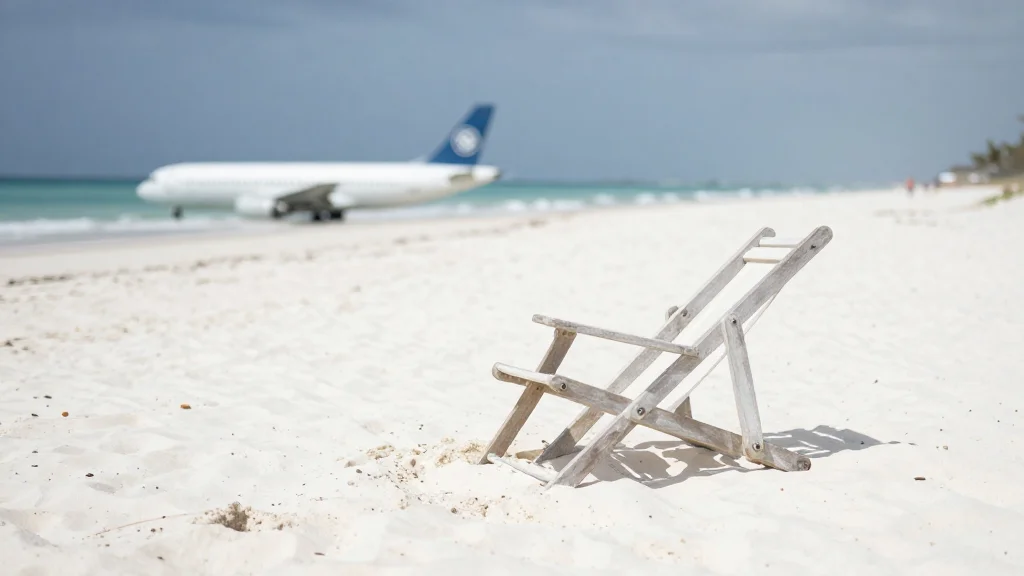
From Salsa to Silence: How America First Is Emptying Cuba’s Beaches and Livelihoods
Why It Matters
The collapse of Cuba’s tourism undermines a key source of foreign‑currency earnings and deepens hardship for citizens, while highlighting the limited efficacy of punitive U.S. sanctions as a tool for political change.
Key Takeaways
- •U.S. sanctions cut fuel, grounding flights to Cuba
- •Tourist arrivals fell over 50% in February 2026 YoY
- •Hotels and local guides lose income, leading to blackouts
- •Policy pressure risks entrenching regime, not fostering reform
Pulse Analysis
Cuba’s tourism industry, long celebrated for its music‑filled streets and eco‑adventure sites, has become a barometer of U.S. geopolitical strategy. Since the escalation of “America First” sanctions, Washington has targeted oil shipments and financial channels that sustain the island’s hospitality sector. The resulting fuel scarcity has forced airlines to suspend routes, while restricted banking hampers the ability of hotels and independent operators to accept credit cards, creating a feedback loop that depresses visitor numbers.
The economic shock reverberates beyond empty hotels. Families that rent rooms, drive taxis, or sell handcrafted goods now face daily power outages and dwindling cash flow, eroding a rare avenue for private income in a centrally planned economy. State media’s admission of emergency electricity rationing in tourist zones underscores how the crisis threatens Cuba’s foreign‑currency reserves, a vital lifeline for imports and public services. For locals, the loss of tourism translates into reduced employment, lower wages, and heightened social strain.
From a policy perspective, the Cuban case illustrates the limits of coercive sanctions. While intended to pressure the regime toward democratic reforms, the strategy primarily inflicts collateral damage on ordinary citizens, potentially bolstering anti‑U.S. sentiment and strengthening the government’s narrative of external aggression. Analysts suggest that a calibrated approach—targeting elite assets while preserving channels for civilian commerce—might achieve political objectives without deepening humanitarian hardship. The unfolding situation serves as a cautionary tale for future U.S. engagements with economies where tourism is a critical economic pillar.
From Salsa to Silence: How America First Is Emptying Cuba’s Beaches and Livelihoods
Comments
Want to join the conversation?
Loading comments...