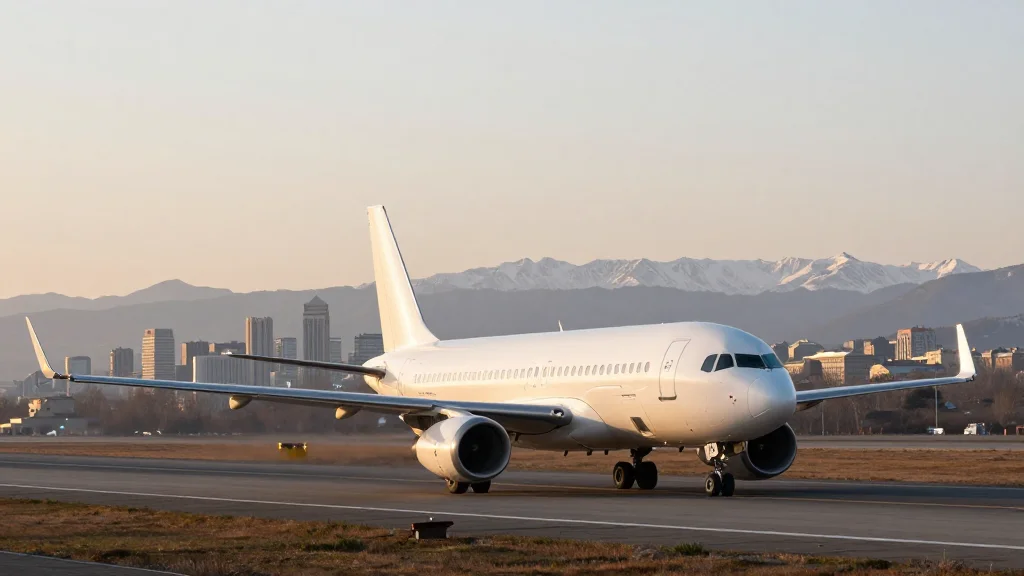
Georgia Tourism: “No One Is Here?” — How the Middle East War Is Emptying a Rising Destination
Why It Matters
The sharp decline threatens Georgia’s emerging tourism economy, reducing foreign exchange earnings and jeopardizing jobs dependent on visitor spending. It also illustrates how regional conflicts can quickly spill over into seemingly insulated markets, reshaping global travel patterns.
Key Takeaways
- •Tourist arrivals fell 30%‑70% across Georgian businesses.
- •Iran war caused flight cancellations and airspace closures affecting Georgia.
- •Projected 2026 tourism revenue loss exceeds $100 million, possibly $220 million.
- •Perceived regional risk deters visitors despite Georgia’s internal stability.
- •Recovery depends on Middle East conflict resolution, not domestic reforms.
Pulse Analysis
Georgia’s ascent as a budget‑friendly, wine‑rich destination over the past decade attracted millions, positioning Tbilisi alongside European capitals in travel itineraries. The sudden shock came not from domestic unrest but from the Iran conflict, which snarled air routes that funnel Gulf travelers through the Caucasus. Airlines rerouted or canceled flights, inflating ticket prices and lengthening travel times, prompting tourists to skip secondary stops like Georgia altogether. This external pressure has manifested in a steep drop in arrivals and a contraction of average spend per visitor, eroding the sector’s contribution to GDP.
The financial fallout is stark. Analysts now estimate a minimum $100 million hit to 2026 tourism revenues, with worst‑case scenarios approaching $220 million if the war drags on. Beyond raw numbers, the perception of risk—fuelled by travel advisories that lump Georgia with neighboring volatile regions—has amplified the decline. With the Middle East accounting for roughly 14% of global transit traffic, disruptions ripple through Europe‑Asia corridors, isolating Georgia from the flow of transit tourists who previously bolstered hotel occupancy and local businesses.
Looking forward, Georgia’s recovery hinges less on its own policy tweaks and more on geopolitical de‑escalation. Diversifying source markets, investing in over‑land connectivity, and marketing its stability can mitigate some fallout, but sustained visitor confidence will likely return only when the Iran conflict eases. Stakeholders are watching diplomatic developments closely, aware that a prolonged war could permanently reroute travel patterns away from emerging Eurasian destinations, leaving Georgia to grapple with a reshaped tourism landscape.
Georgia Tourism: “No One Is Here?” — How the Middle East War Is Emptying a Rising Destination
Comments
Want to join the conversation?
Loading comments...