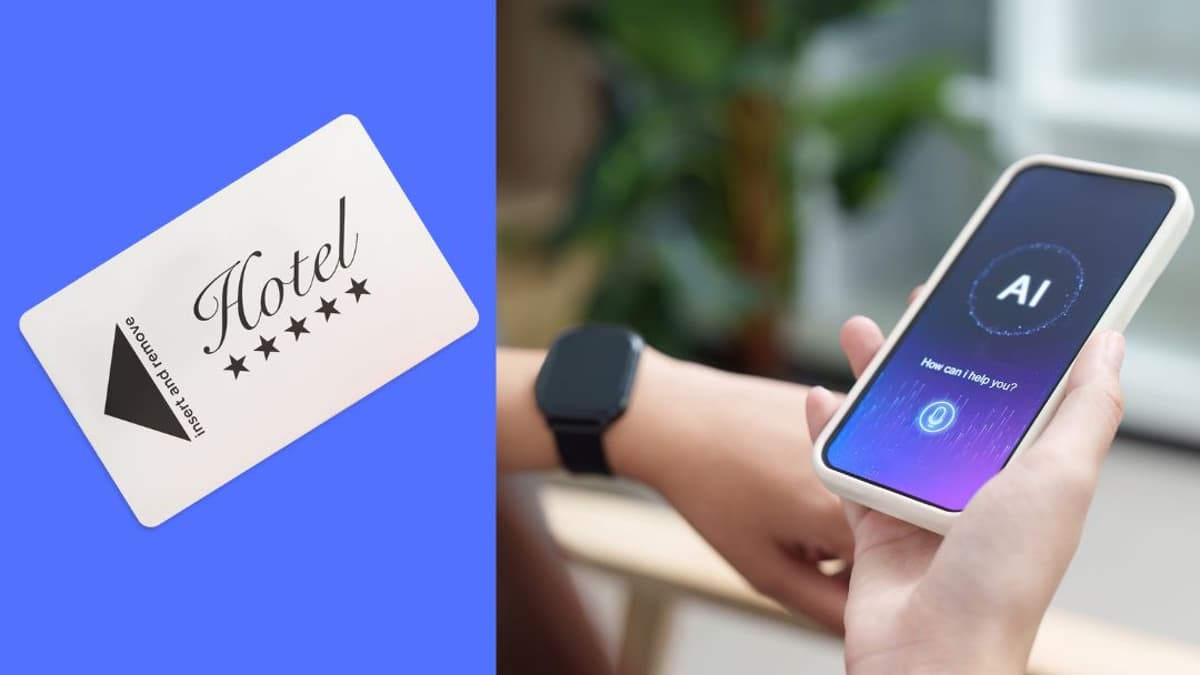
How to Reduce OTA Dependency Using AI: A Guide for Independent Hotels
Key Takeaways
- •OTA bookings comprised 63.4% of independent hotel reservations in 2025
- •AI can lower OTA share to 35‑45% in 12‑24 months
- •AI chat assistants cut response time, raising conversion up to 20%
- •AI CRM boosts repeat bookings 3‑5× versus cold outreach
Pulse Analysis
The OTA model has become a cost trap for independent hotels, with commissions averaging 17.5% on Booking.com and 19.2% on Expedia, and cancellation rates more than double those of direct bookings. The 2024 EU Digital Markets Act removed rate‑parity clauses, allowing hotels to price lower on their own sites, while AI travel assistants are already influencing a measurable slice of the market. Together, these forces give small properties a realistic path to reclaim revenue that traditionally flowed to platform giants.
AI reshapes the three critical stages of direct booking. In discovery, structured data, detailed property narratives, and a complete Google Business Profile help AI assistants surface the hotel before an OTA page appears. During conversion, AI‑powered chatbots answer guest queries instantly, eliminating the four‑hour window that often drives shoppers back to OTAs, and dynamic rate‑parity tools keep direct prices competitive in real‑time metasearch displays. Both tactics have been shown to lift click‑through rates by up to 40% and conversion rates by 15‑20%.
Retention is where the long‑term advantage compounds. AI‑driven CRM platforms turn owned guest data into hyper‑personalized email flows—pre‑arrival tips, post‑stay thank‑you notes, and anniversary offers—that generate repeat bookings at three‑to‑five times the effectiveness of cold outreach. For boutique chains, scaling these programs across properties creates a portfolio‑wide loyalty engine that rivals OTA points schemes, while saving an estimated $27,000‑$36,000 per $1 million in room revenue in commission costs. As AI adoption accelerates, hotels that master this direct‑channel loop will capture a growing share of the $400 billion projected 2030 digital hotel market.
How to Reduce OTA Dependency Using AI: A Guide for Independent Hotels
Comments
Want to join the conversation?