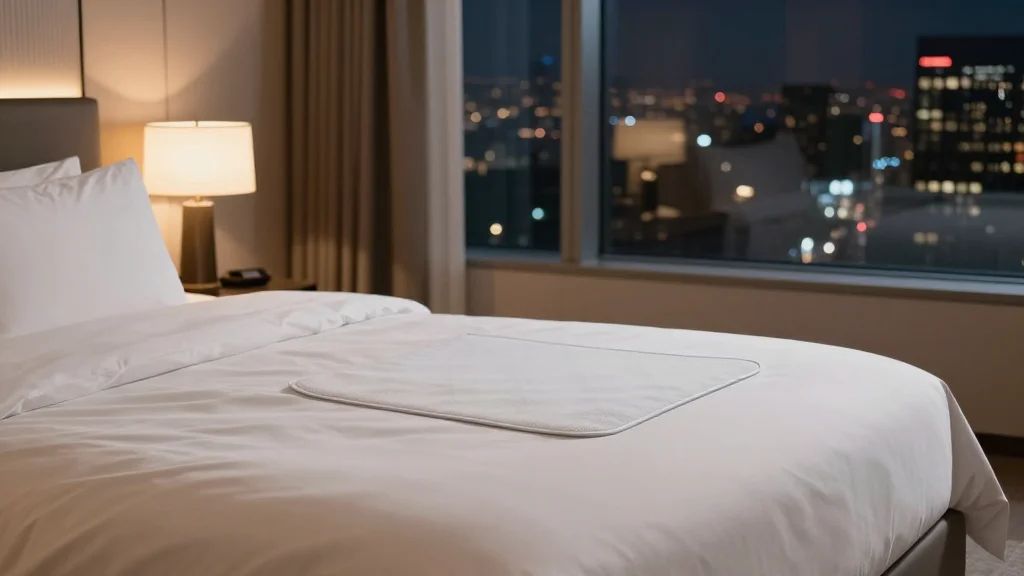
Sleep Tourism Hits $600 Billion, Luxury Hotels Roll Out $2,000 ‘Sleep Lab’ Packages

Companies Mentioned
Why It Matters
The $600 billion sleep‑tourism market represents a seismic shift in how hotels generate revenue, moving beyond occupancy to sell health outcomes. By monetizing sleep, hotels can tap into a consumer segment willing to pay premium prices for measurable wellness benefits, potentially reshaping pricing structures across the industry. If the trend sustains, we may see a reallocation of capital from traditional amenities—such as restaurants and spas—to sleep‑focused infrastructure, influencing design standards, staffing models and technology investments across the hospitality ecosystem.
Key Takeaways
- •Equinox Hotels launched a $2,000‑per‑night Sleep Lab designed with Dr. Matthew Walker
- •Travel trends report ranks sleeping as the top vacation activity for U.S. travelers
- •Global sleep‑tourism market estimated at $600 billion
- •Luxury chains in Fiji, Portugal and Hawaii already offer science‑backed sleep packages
- •Potential $730 million annual revenue boost for a 300‑room hotel at 70 % occupancy if 20 % of rooms are sleep‑focused
Pulse Analysis
The rise of sleep tourism is less a fleeting fad and more a strategic response to a chronic public‑health issue. Hotels have long marketed wellness, but the shift from yoga studios to calibrated sleep environments marks a deeper integration of health science into the guest experience. Early adopters like Equinox are leveraging the credibility of a renowned researcher to justify premium pricing, creating a halo effect that can elevate the entire brand.
Historically, hospitality revenue has been driven by occupancy and ancillary spend on food, beverage and events. Sleep tourism introduces a new revenue pillar—wellness outcomes that can be quantified through biometric data. This data‑centric approach aligns with the broader trend of gamifying health, where consumers track sleep, steps and heart rate. Hotels that can demonstrate measurable improvements in guest sleep quality will likely command loyalty and higher lifetime value, especially among affluent, health‑conscious travelers.
Looking ahead, the competitive landscape will intensify. Mid‑scale operators may adopt low‑cost sleep enhancements, while luxury brands will double down on bespoke labs and partnerships with academic institutions. Regulatory scrutiny over data privacy could become a differentiator, rewarding hotels that adopt transparent, consent‑driven data practices. Ultimately, the hotels that embed sleep science into their core service proposition—not as an add‑on but as a foundational experience—will capture the lion’s share of this $600 billion market.
Sleep Tourism Hits $600 Billion, Luxury Hotels Roll Out $2,000 ‘Sleep Lab’ Packages
Comments
Want to join the conversation?
Loading comments...