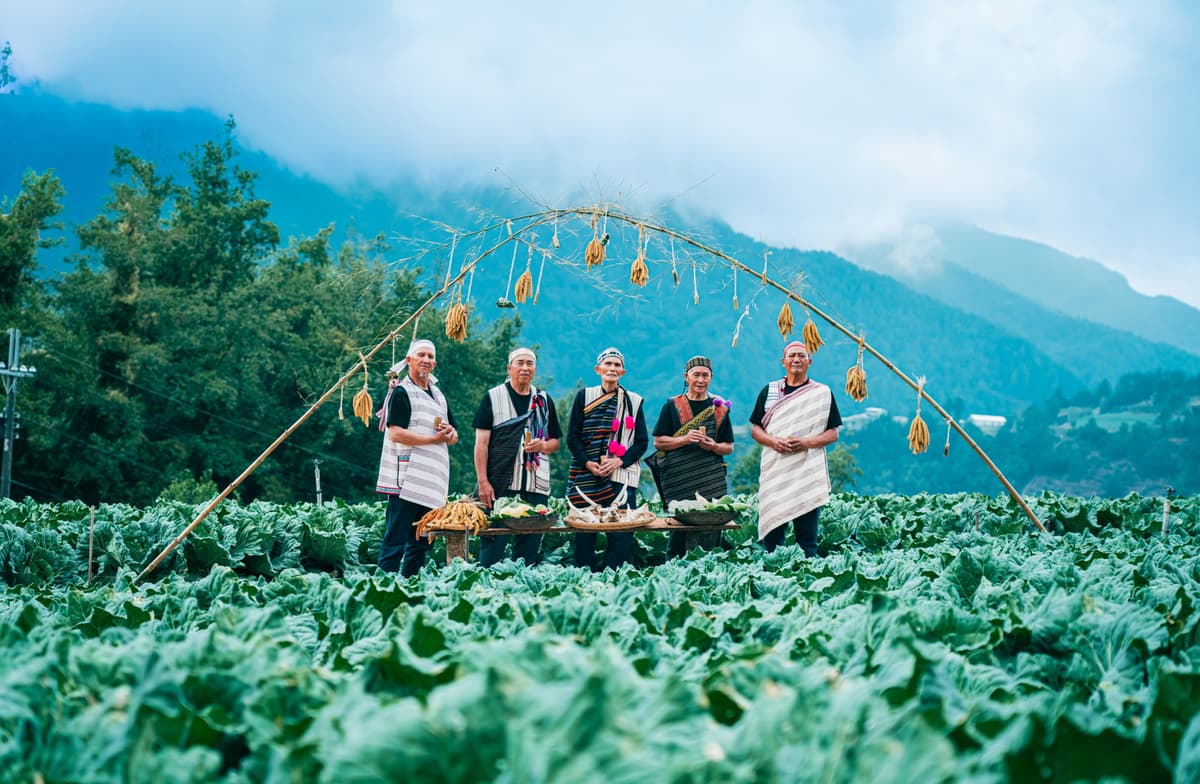
Taiwan Marks 10 Years with Indigenous Culture Programme
Why It Matters
The programme positions Taiwan as a differentiated cultural‑tourism destination, attracting high‑value travelers and supporting indigenous economies, while showcasing a sustainable, community‑led model other regions can emulate.
Key Takeaways
- •Taiwan celebrates a decade of indigenous recognition with nationwide festivals.
- •Over 30 community‑led tribal tours showcase agriculture, cuisine, and storytelling.
- •Pacific Austronesian Joint Harvest Festival runs July 16‑19 in Hualien.
- •Atayal’s Bulau Bulau millet wine gains attention from top sommeliers.
- •Visitor caps protect cultural integrity and fragile mountain‑coastal ecosystems.
Pulse Analysis
Taiwan’s ten‑year milestone in indigenous recognition arrives at a time when cultural tourism is gaining premium status among global travelers. By officially acknowledging 16 distinct Austronesian groups, the island not only honors its heritage but also taps into a market segment that values authenticity and responsible travel. This strategic emphasis aligns with broader industry trends where destinations leverage unique cultural assets to differentiate themselves from mass‑market offerings, driving higher per‑visitor spend and longer stays.
The rollout of multiple festivals—such as the Pacific Austronesian Joint Harvest Festival in Hualien and the Dulan Harvest Festival in Taitung—creates a seasonal calendar that encourages repeat visitation. Coupled with more than 30 community‑led tribal tours, the programme offers immersive experiences ranging from traditional farming practices to oral storytelling. Strict visitor caps ensure that tourism growth does not erode cultural integrity or strain fragile mountain‑coastal ecosystems, positioning Taiwan as a model for sustainable, community‑centric tourism development.
Culinary heritage is another pillar of the initiative, highlighted by the resurgence of millet wine produced by the Atayal community of Bulau Bulau. Recognition from leading sommeliers signals a growing appetite for indigenous gastronomy, which can command premium pricing and attract food‑focused travelers. Together, these elements—festivals, tours, and culinary revival—strengthen Taiwan’s brand as a living‑culture destination, offering economic benefits to indigenous communities while preserving traditions for future generations.
Taiwan marks 10 Years with Indigenous culture programme
Comments
Want to join the conversation?
Loading comments...