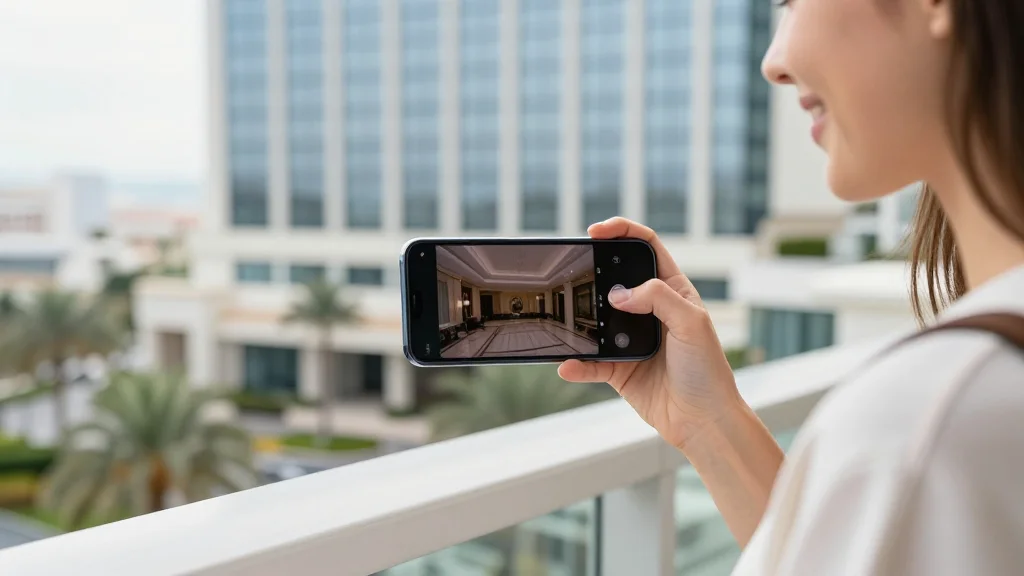
TikTok Go Lets Users Book Hotels and Tours Directly From Travel Videos

Companies Mentioned
Why It Matters
TikTok Go blurs the line between social media and travel commerce, giving hotels a new, highly visual channel to capture bookings directly from discovery moments. By leveraging the platform’s algorithmic reach, hotels can tap into a younger demographic that prefers instant, mobile‑first experiences, potentially reducing reliance on traditional OTAs and search engines. The move also forces the broader hospitality ecosystem to adapt its distribution strategies, data integration, and loyalty programs to remain competitive in an environment where a video scroll can become a reservation. If TikTok’s model proves successful, it could accelerate the industry’s migration toward embedded commerce, prompting other platforms—such as Instagram Reels or YouTube Shorts—to develop similar booking capabilities. This would further fragment the travel booking landscape, compelling hotels to manage multiple, real‑time distribution points while maintaining brand consistency and pricing integrity.
Key Takeaways
- •TikTok Go launched Tuesday in the U.S., embedding hotel and tour booking in travel videos
- •Launch partners include Booking.com, Expedia, Viator, GetYourGuide, Tiqets and Trip.com
- •Feature builds on TikTok Shop’s scroll‑to‑buy model, extending it to the travel vertical
- •Quote: “TikTok is already where America discovers what’s next. Now it’s where they can book it,” the company said
- •Analysts project up to $2 billion incremental travel spend in the first year if 0.2 % of viewers convert
Pulse Analysis
TikTok’s entry into travel booking is less about owning the transaction and more about becoming the default discovery engine for the next generation of travelers. By embedding a checkout flow directly into the content feed, TikTok sidesteps the friction that typically forces users to switch apps, a tactic that has already paid off in e‑commerce. For hotels, the strategic implication is clear: brand storytelling must now be optimized for 15‑second vertical video, and success will be measured in click‑through-to‑book ratios rather than mere view counts.
The partnership model also raises competitive dynamics. OTAs gain a fresh acquisition channel without sacrificing their inventory, but they risk becoming mere back‑ends to a platform that controls the consumer relationship. Hotels that can integrate TikTok‑generated reservations into their revenue management systems will capture higher margins, while those that cannot may see a rise in fragmented, higher‑cost bookings. Moreover, the lack of a dedicated booking tab suggests TikTok is testing user appetite before committing to deeper data integration, which could limit its ability to offer personalized pricing or loyalty incentives in the short term.
Looking ahead, the real test will be whether TikTok can scale beyond the U.S. and replicate its model in markets where OTA dominance is already entrenched. If it does, we could see a cascade effect: airlines, car rentals, and even ancillary services like travel insurance might follow suit, turning the travel ecosystem into a series of micro‑transactions embedded within social feeds. Hotels that anticipate this shift—by investing in creator collaborations, dynamic video content, and API‑ready booking engines—will be best positioned to capture the next wave of direct bookings.
TikTok Go Lets Users Book Hotels and Tours Directly from Travel Videos
Comments
Want to join the conversation?
Loading comments...