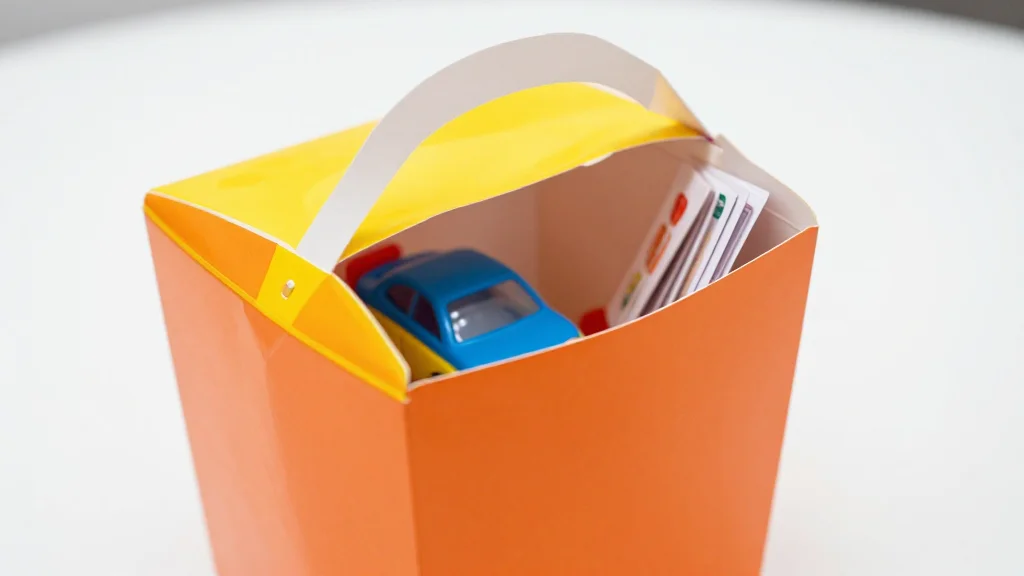
Whataburger Adds Toys, Interactive Packaging to Kids Meals
Why It Matters
By turning its kids meals into an experience, Whataburger can capture more family dining occasions and strengthen brand loyalty, a critical driver of growth in the competitive QSR sector.
Key Takeaways
- •Whataburger launches toys and interactive packaging for kids meals May 5.
- •Prices range $3.89–$6.49, keeping value proposition strong.
- •Sticker packs feature five variations; future toys will rotate for novelty.
- •Move targets family dining frequency and competes with established QSR kids meals.
- •No menu changes; focus on experiential enhancements to boost brand loyalty.
Pulse Analysis
The fast‑food landscape has long used toys and themed packaging to turn ordinary meals into collectible experiences, a tactic pioneered by giants such as McDonald’s and Burger King. Over the past decade, these add‑ons have evolved from simple plastic figures to interactive games, digital tie‑ins, and limited‑edition collectibles, driving repeat visits and brand affinity among children and their parents. As families increasingly seek value and entertainment in quick‑service dining, operators that neglect a robust kids‑meal program risk losing a critical share of the family‑centric dining occasion.
Whataburger’s May 5 rollout introduces a refreshed kids‑meal line priced between $3.89 and $6.49, preserving the chain’s reputation for affordable family options. Each meal now contains a surprise element—initially a set of five sticker packs—followed by rotating toys that keep the offering fresh and encourage repeat purchases. The packaging incorporates simple games and mazes, turning the container itself into a play surface without altering the food composition. By layering experiential value onto an existing menu, Whataburger aims to attract new families while reinforcing loyalty among current customers who appreciate the added entertainment.
The strategic addition positions Whataburger to capture a larger slice of the family dining pie, a segment that accounts for roughly 30 % of quick‑service traffic in the United States. Analysts project that each incremental toy or game can lift kids‑meal sales by 5‑10 %, translating into several million dollars in incremental revenue for a chain with over 800 locations. Moreover, the move signals to investors that the brand is actively investing in consumer‑experience differentiation, a metric increasingly tied to long‑term franchise profitability. If the novelty cycle sustains, Whataburger could set a new benchmark for mid‑scale QSRs competing on experiential value.
Whataburger adds toys, interactive packaging to kids meals
Comments
Want to join the conversation?
Loading comments...