
Key Takeaways
- •Productive arguments prioritize truth over ego
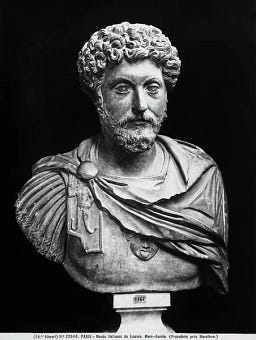
- •Stoic philosophy links correction to societal harmony
- •Modern debates often become complaints without action
- •Curiosity and openness enable genuine learning
- •Aligning identity with virtue drives meaningful change
Pulse Analysis
The lineage of argument stretches back to ancient Greece, where rhetoric, the Socratic method, and Aristotelian logic formed a triad of tools for uncovering truth. Philosophers viewed debate not as a sport but as a disciplined pursuit of wisdom, a perspective echoed in Stoic writings that frame correction as a service to the community. By revisiting these foundations, contemporary leaders can reclaim argument’s original purpose: a structured pathway to insight rather than a battlefield for personal dominance.
Today’s discourse frequently strays from that ideal. In corporate boardrooms and social media feeds alike, arguments often serve as platforms for ego reinforcement, where participants aim to be right instead of learning. This mindset breeds endless cycles of complaint, especially when individuals champion change but fail to act on their own recommendations. The resulting friction wastes time, erodes trust, and stalls innovation, underscoring the need to re‑evaluate how we engage in debate.
A Stoic‑inspired approach offers a practical remedy. By approaching each exchange with curiosity, acknowledging the possibility of error, and anchoring discussions in the common good, participants transform arguments into collaborative problem‑solving sessions. Executives who model this behavior foster cultures where dissent is valued, decisions are data‑driven, and actions align with stated values. The payoff is measurable: higher employee engagement, faster consensus, and a reputation for ethical leadership that resonates with customers and investors alike.
Argue with an Aim
Comments
Want to join the conversation?