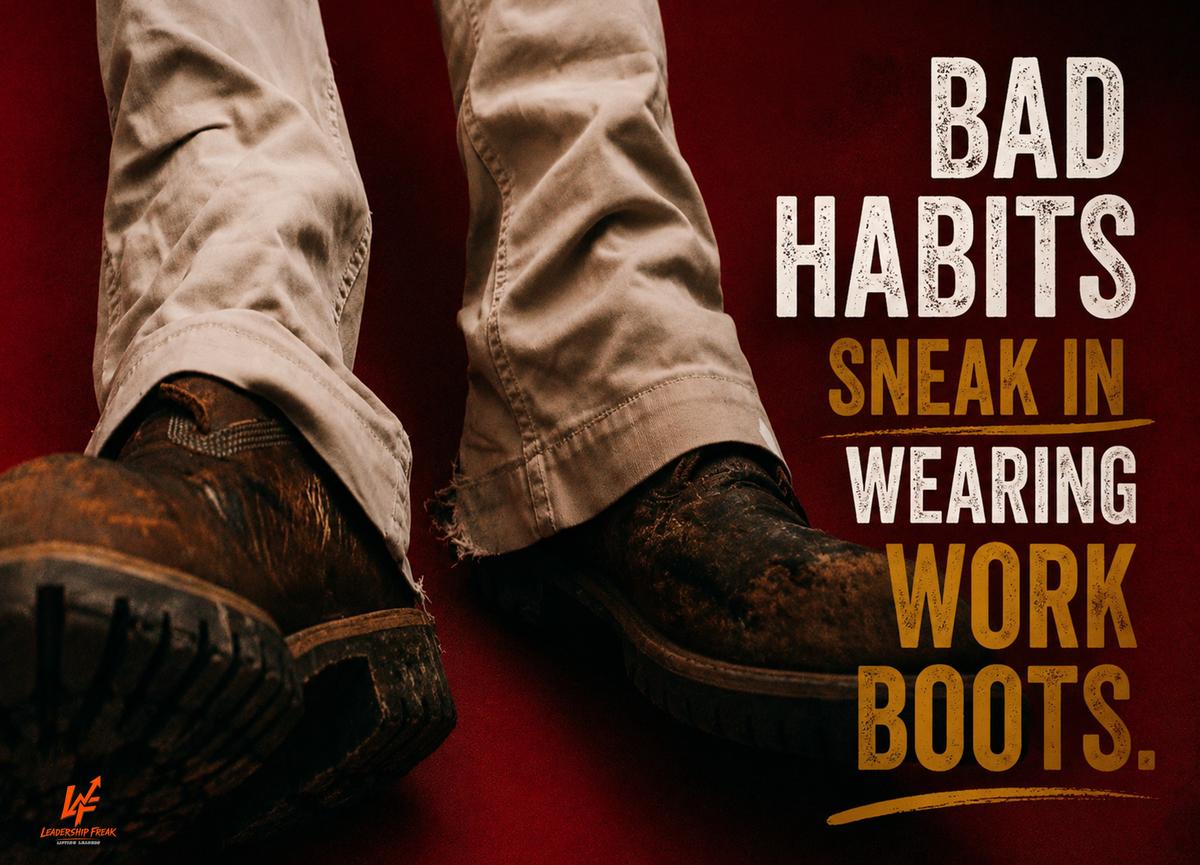
Key Takeaways
- •Time pressure erodes empathy and fuels self‑sabotage
- •Crisis mode normalizes reactive leadership over intentional strategy
- •Intentional interruptions reset automatic, destructive behaviors
- •Pairing habit‑break partners boosts accountability and progress
- •Rewarding progress, not panic, reshapes team culture
Pulse Analysis
Bad habits in leadership are rarely a conscious choice; they emerge from the same cognitive shortcuts that help individuals cope with overload. When executives face relentless deadlines, the brain defaults to short‑term relief—defensiveness, avoidance, or frantic problem‑solving—at the expense of strategic thinking. Psychological research shows that stress‑induced cortisol spikes impair the prefrontal cortex, the region responsible for self‑control and empathy. As a result, leaders may unintentionally ignore team input, react impulsively, and equate personal value with crisis management, creating a feedback loop that entrenches destructive patterns.
Interrupting these automatic responses requires deliberate micro‑habits that rewire neural pathways. Simple practices like a pause‑breath before replying, setting a clear intention each morning, or choosing a personal demeanor before entering the office can shift the brain from the amygdala‑driven fight‑or‑flight mode to a more reflective state. At the team level, institutionalizing progress‑based rewards, enforcing single‑task focus, and scheduling regular people‑time signal that the organization values intentional work over perpetual firefighting. Pairing employees as habit‑break partners adds peer accountability, turning private self‑improvement into a collective performance metric.
For businesses, the payoff of habit disruption is measurable. Companies that replace panic‑driven cultures with purpose‑driven routines report higher employee engagement scores, lower burnout rates, and up to a 15% increase in project delivery speed, according to recent Gallup data. Embedding habit‑breaking frameworks into leadership development programs also accelerates decision‑making quality, as leaders spend less time reacting and more time planning. Ultimately, the ability to recognize and reset destructive habits becomes a competitive advantage, enabling organizations to sustain growth while preserving the well‑being of their most valuable asset—people.
Break the Habit of Bad Habits
Comments
Want to join the conversation?