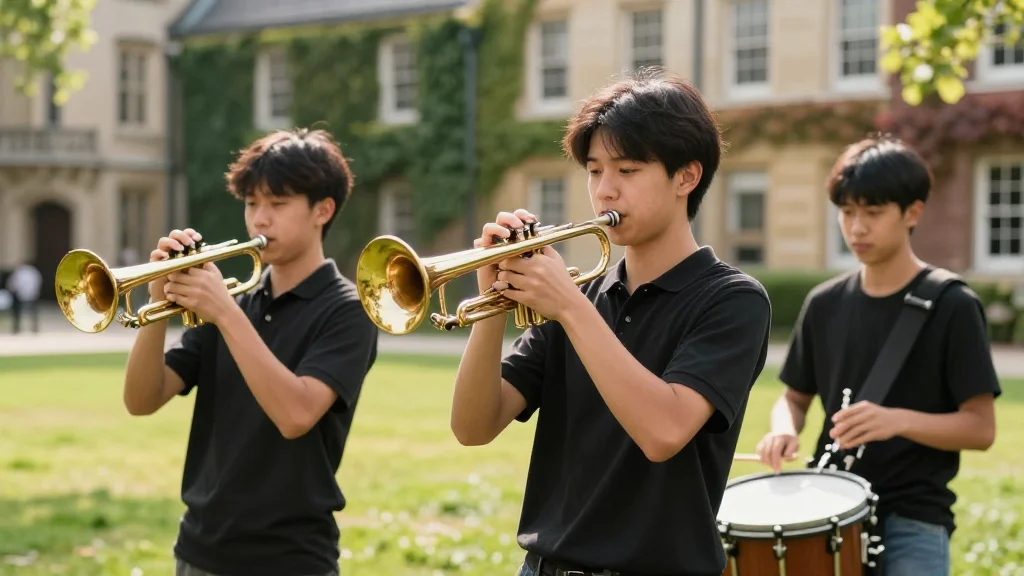
Bangladeshi University Bands Spark Creativity, Leadership and National Growth

Why It Matters
The surge of university band programs illustrates how structured extracurricular activities can unlock latent human potential. By fostering creativity, critical thinking and teamwork, these initiatives prepare graduates for a rapidly changing economy that values interdisciplinary collaboration. Moreover, the cultural output of student bands reinforces national identity, demonstrating that artistic expression can be a strategic asset for social cohesion and soft power. In the broader context of human potential development, Bangladesh’s experience offers a replicable blueprint: when institutions prioritize creative outlets, they not only enhance individual well‑being but also generate collective benefits that ripple through education, industry and cultural sectors.
Key Takeaways
- •Band culture has moved from a niche hobby to a central feature of university events across Bangladesh.
- •Students gain artistic, problem‑solving and leadership skills through composing, rehearsing and performing music.
- •Live performances improve confidence, public‑speaking and teamwork among participants.
- •OECD research links music rehearsal to enhanced attention, memory and pattern‑recognition abilities.
- •The movement blends folk traditions with modern sounds, creating a new cultural language that supports national development.
Pulse Analysis
Bangladesh’s university band boom underscores a shift in higher‑education strategy, where soft skills are cultivated alongside academic knowledge. Historically, extracurriculars have been peripheral, but the current model treats them as integral to student development, mirroring trends in elite institutions worldwide that embed arts and design thinking into curricula. This alignment with global best practices could accelerate Bangladesh’s transition to a knowledge‑based economy, as graduates bring collaborative, creative mindsets to emerging sectors such as tech, renewable energy and creative industries.
However, scaling the model will require systematic investment. Universities must allocate rehearsal spaces, provide instrument funding and integrate music‑related projects into interdisciplinary courses. Without such infrastructure, the momentum risks stalling, especially in resource‑constrained public institutions. Policymakers and private donors have an opportunity to institutionalize support, turning a cultural phenomenon into a sustainable engine for human capital development.
If Bangladesh successfully embeds band programs into its higher‑education ecosystem, the ripple effects could extend beyond the campus. A generation of leaders comfortable with public performance, creative risk‑taking and cross‑disciplinary collaboration may drive innovation across the nation, reinforcing the link between cultural vitality and economic resilience.
Bangladeshi University Bands Spark Creativity, Leadership and National Growth
Comments
Want to join the conversation?
Loading comments...