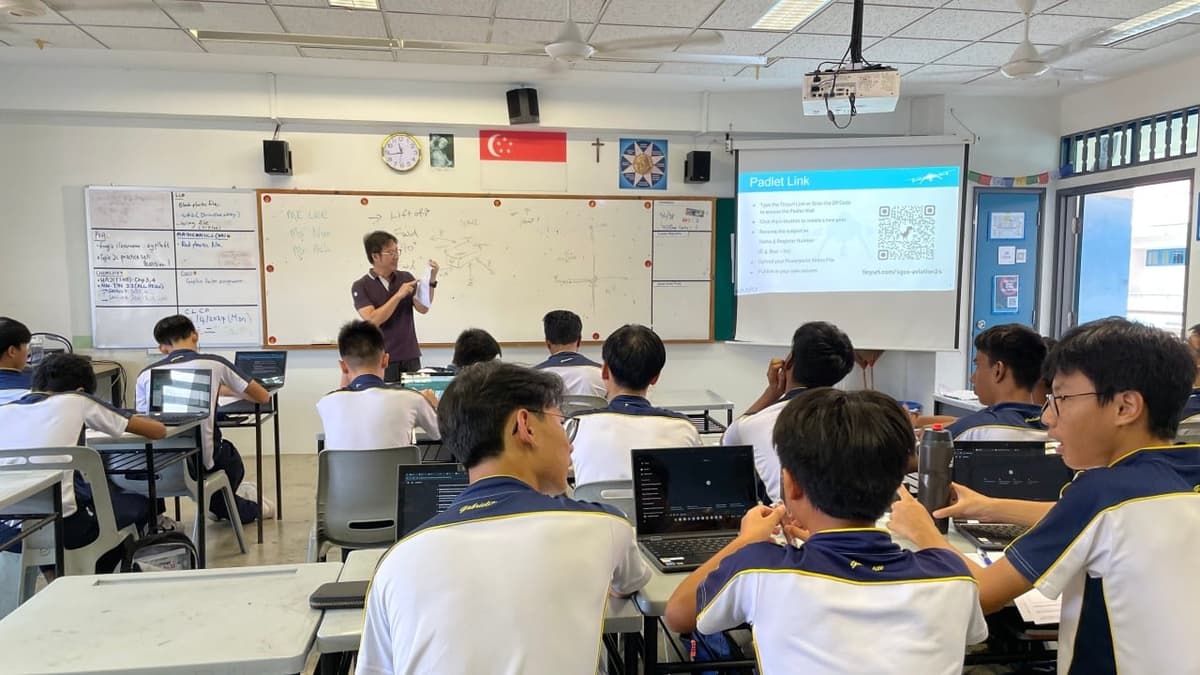
Can Singapore’s Education System Take ‘Late Bloomers’? Harvard Speech Reignites Debate
Why It Matters
The discussion highlights a policy tension between maintaining academic excellence and ensuring that talent emerging beyond early school years is not permanently sidelined, affecting workforce diversity and social mobility in Singapore.
Key Takeaways
- •Harvard PhD graduate Joel Tan once blocked from studying biology in Singapore
- •Singapore's reforms add subject banding and broader post‑secondary pathways
- •Experts stress need for permeable tracks for late‑blooming talent
- •Tan's story shows merit system can miss potential, though rare successes occur
Pulse Analysis
Singapore consistently tops global assessments like PISA, a testament to its rigorous, exam‑focused schooling. Yet the system’s early tracking—assigning students to distinct academic streams based on primary and secondary results—has long drawn criticism for sidelining those whose strengths surface later. Critics argue that such rigidity can waste potential, especially in a knowledge economy where interdisciplinary skills are prized. The debate intensified after Joel Tan’s Harvard address, which personalized the abstract concerns of educators and policymakers.
Tan’s journey underscores both the shortcomings and the evolving nature of Singapore’s education landscape. After being steered toward physics and chemistry, his grades suffered because biology—a subject he was passionate about—was reserved for top performers. Denied local university admission, he financed a move to the University of Toronto, eventually earning a PhD at Harvard. In response, Singapore has rolled out reforms like subject banding, allowing students to study subjects at levels aligned with their abilities, and expanded polytechnic and Institute of Technical Education pathways, aiming to create multiple entry points for diverse talents.
The broader implication for policymakers is clear: excellence need not be synonymous with early selection. Creating more porous boundaries between academic tracks can help late bloomers access the courses and mentorship they need to thrive, enriching the talent pool and fostering innovation. As other high‑performing economies grapple with similar challenges, Singapore’s next steps—whether through flexible curricula, bridge programs, or enhanced career guidance—will shape how effectively it balances meritocracy with inclusivity, ensuring that talent, regardless of when it emerges, can contribute to the nation’s future growth.
Can Singapore’s education system take ‘late bloomers’? Harvard speech reignites debate
Comments
Want to join the conversation?
Loading comments...