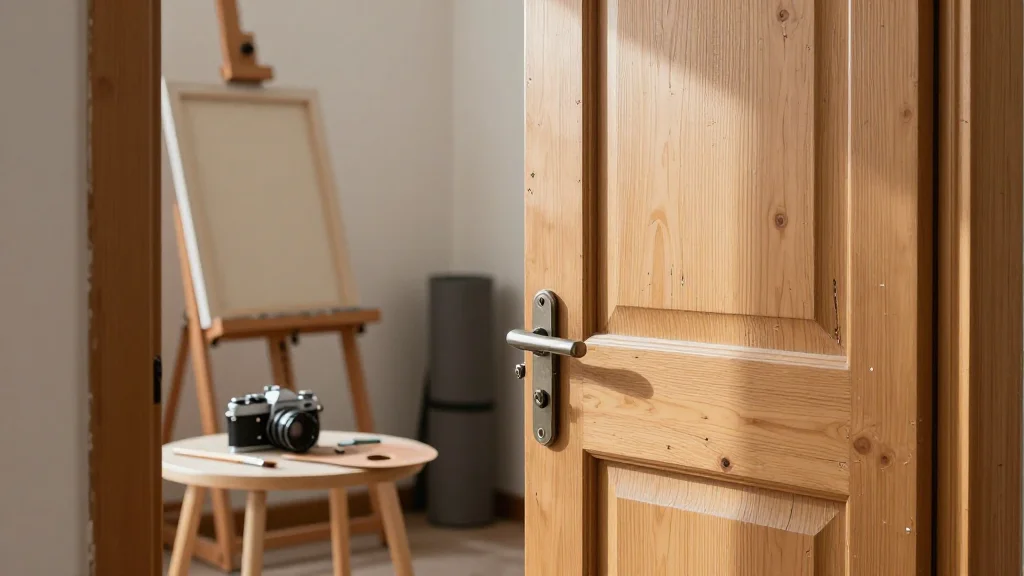
Inside Artists’ Studios: Vulnerability Fuels Creative Breakthroughs

Why It Matters
The insight that vulnerability and disciplined ritual are inseparable in high‑level creative work reframes the conversation about human potential. By documenting how artists turn personal discomfort into artistic breakthroughs, the book offers a template for any field where innovation depends on deep self‑knowledge. It suggests that fostering spaces—physical or mental—where individuals can confront their own limits may accelerate breakthroughs in science, entrepreneurship, and education. Moreover, the project challenges the myth of the solitary genius by highlighting the communal and habitual aspects of creation. Recognizing that even celebrated artists rely on structured routines and emotional honesty can inspire organizations to design environments that nurture similar practices, thereby unlocking untapped talent across sectors.
Key Takeaways
- •Rohit Chawla spent 10 years photographing 67 Indian artists for Portrait of an Artist.
- •The book captures raw studio moments, including F.N. Souza’s hostile relationship with paint.
- •Artists described personal rituals—yoga, music, prayer—that prime them for creation.
- •Chawla abandoned advertising gloss to shoot alone, using only natural light.
- •The collection argues that vulnerability and routine together drive artistic breakthroughs.
Pulse Analysis
Chawla’s work arrives at a moment when the broader cultural conversation is fixated on productivity hacks and wellness trends. While many self‑help narratives champion ‘mindfulness’ as a universal fix, Portrait of an Artist demonstrates that true creative potency often emerges from confronting discomfort, not merely soothing it. The juxtaposition of Souza’s visceral aversion to paint with Maity’s serene yoga routine underscores that vulnerability is not monolithic; it can manifest as aggression, reverence, or quiet discipline. This nuance is critical for leaders seeking to cultivate high‑performing teams: a one‑size‑fits‑all approach to well‑being will miss the deeper, individual triggers that spark innovation.
Historically, the myth of the isolated genius has been used to justify elite, exclusive pathways to success. By exposing the mundane, ritualistic underpinnings of celebrated artists, Chawla democratizes the narrative of greatness. The implication for the Human Potential sector is clear: institutions should invest in creating ‘studio‑like’ environments—spaces that encourage personal rituals, allow for emotional exposure, and remove the pressure of performative perfection. Such environments could accelerate breakthroughs not just in the arts but in technology, medicine, and policy.
Looking ahead, the book may inspire a new wave of interdisciplinary collaborations where artists partner with scientists, designers, and entrepreneurs to embed vulnerability‑driven practices into product development cycles. If organizations can translate the studio’s balance of routine and rawness into their own workflows, the payoff could be a measurable uplift in creative output, employee satisfaction, and ultimately, societal progress.
Inside Artists’ Studios: Vulnerability Fuels Creative Breakthroughs
Comments
Want to join the conversation?
Loading comments...