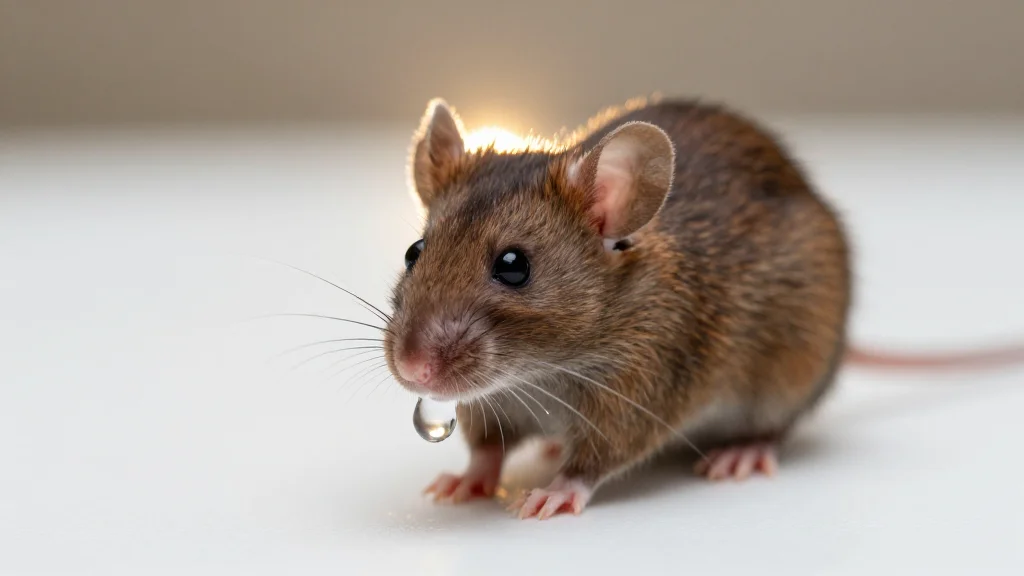
Large Rewards Cut Mouse Learning Time to One Day, Study Finds

Why It Matters
The research challenges a foundational belief that repetition alone drives mastery, suggesting that strategic incentive design can unlock latent learning capacity. For educators, coaches, and employers, the implication is clear: a few well‑timed, high‑value rewards may be more effective than constant low‑level praise or points. In the broader Human Potential arena, the work provides a neurobiological foothold for policies that prioritize quality of feedback over quantity. If larger dopamine surges can be safely induced—through reward framing, novelty, or targeted neuromodulation—societies could accelerate skill development in fields ranging from STEM education to workforce reskilling, potentially narrowing talent gaps faster than traditional curricula allow.
Key Takeaways
- •Mice learned a new task in one day with <10 large rewards
- •Dopamine spikes were larger and lasted longer with big rewards
- •Variability in learning time collapsed across subjects
- •Artificially extending dopamine signals mimicked the effect
- •Findings suggest high‑impact incentives could speed human learning
Pulse Analysis
The Dudman Lab’s discovery arrives at a moment when organizations are wrestling with diminishing returns from micro‑learning platforms that flood users with bite‑size content. By demonstrating that the brain’s reward circuitry responds more robustly to infrequent, high‑value stimuli, the study offers a scientific counterpoint to the prevailing ‘always‑on’ feedback loop. Historically, behaviorist models emphasized reinforcement frequency; this work revives a more nuanced view that integrates neurochemical dynamics.
From a competitive standpoint, firms that can embed high‑stakes incentives into digital learning environments—think adaptive gamification that escalates reward magnitude as competence rises—may gain a measurable edge in employee upskilling. However, the approach carries risks: over‑inflated rewards could trigger diminishing motivation once the novelty fades, or foster inequities if only a subset of learners receive the premium incentives. Careful calibration, perhaps informed by real‑time neurofeedback, will be essential.
Looking ahead, the translational bridge to humans will determine the practical impact. If subsequent trials confirm that occasional, salient rewards can safely amplify dopamine in adult learners, we could see a paradigm shift in curricula design, from marathon‑style repetition to sprint‑style bursts of engagement. Such a shift would not only accelerate skill acquisition but also reduce the cognitive load and emotional fatigue associated with prolonged training, aligning with broader goals of sustainable human performance.
Large Rewards Cut Mouse Learning Time to One Day, Study Finds
Comments
Want to join the conversation?
Loading comments...