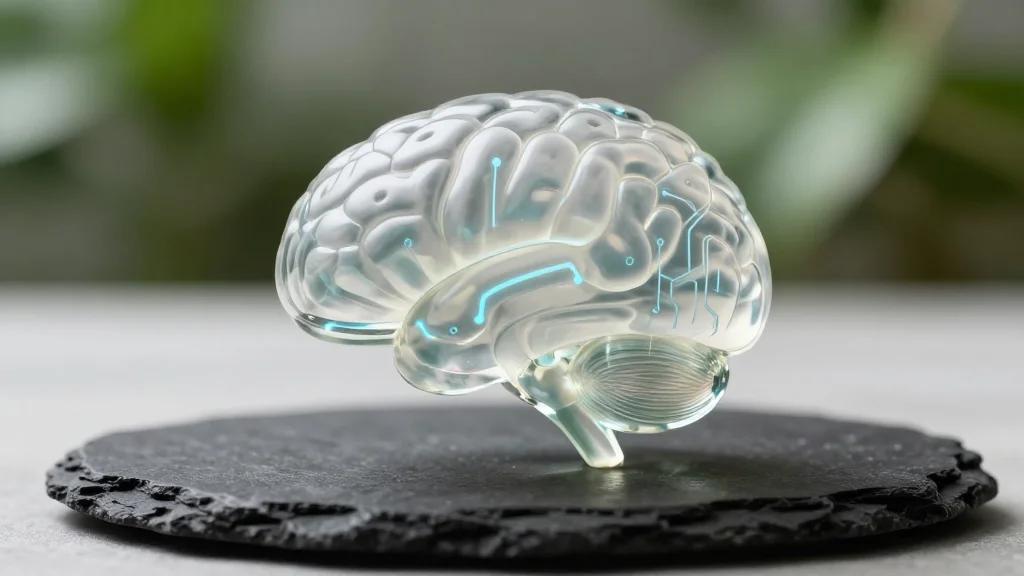
Neuroscientists Warn AI Overuse May Erode Thinking Skills, Offer Safeguards

Companies Mentioned
Why It Matters
If the emerging pattern of cognitive atrophy holds, the productivity gains promised by generative AI could be offset by a societal decline in problem‑solving, innovation and critical discourse. The human potential agenda hinges on preserving the mental tools that enable creativity and strategic thinking; widespread erosion could reshape education, workforce training, and even democratic deliberation. Moreover, the debate highlights a new frontier for tech policy—whether platforms should be required to disclose cognitive impact metrics and provide built‑in safeguards. Conversely, the counter‑argument that AI can free mental bandwidth for higher‑order tasks suggests a potential upside: by offloading routine cognition, individuals might devote more energy to artistic, scientific, or interpersonal pursuits. The net effect will depend on how quickly users adopt the protective habits advocated by experts and whether designers embed them into AI products.
Key Takeaways
- •Adam Green warns AI overuse can cause cognitive atrophy, citing recent studies.
- •Jared Benge notes no evidence of "digital dementia" in a meta‑analysis of 57 studies.
- •Research links heavy AI reliance to lower creativity, attention span, and memory.
- •Experts recommend cognitive fasts, active recall, and limiting AI prompts.
- •Future studies will track neural changes in heavy AI users over the next two years.
Pulse Analysis
The current discourse mirrors earlier technology adoption cycles, such as the introduction of calculators in classrooms. Initial fears of skill loss gave way to new pedagogical models that integrated tools while reinforcing foundational thinking. AI, however, operates at a scale and speed that could accelerate dependency, making the proposed safeguards more urgent. Companies that embed cognitive‑health features—like usage timers, prompts for manual problem‑solving, or transparent AI‑explainability—may gain a competitive edge by positioning themselves as responsible innovators.
Historically, the brain adapts to external aids; the hippocampus, for example, reconfigures when navigation shifts from mental maps to GPS. The key difference with generative AI is its capacity to generate language and reasoning, potentially bypassing the prefrontal cortex’s rehearsal loops. If users accept AI‑generated answers without verification, the feedback loop that strengthens neural pathways could weaken, leading to a subtle but measurable decline in analytical depth.
Looking ahead, the market will likely see a bifurcation: products that prioritize speed and convenience versus those that champion cognitive resilience. Educational institutions may adopt curricula that teach “AI literacy” alongside critical thinking drills, creating a new skill set for the era of augmented cognition. The trajectory of human potential will therefore be defined not just by AI’s capabilities, but by the cultural norms and design choices that dictate how we share mental labor with machines.
Neuroscientists Warn AI Overuse May Erode Thinking Skills, Offer Safeguards
Comments
Want to join the conversation?
Loading comments...