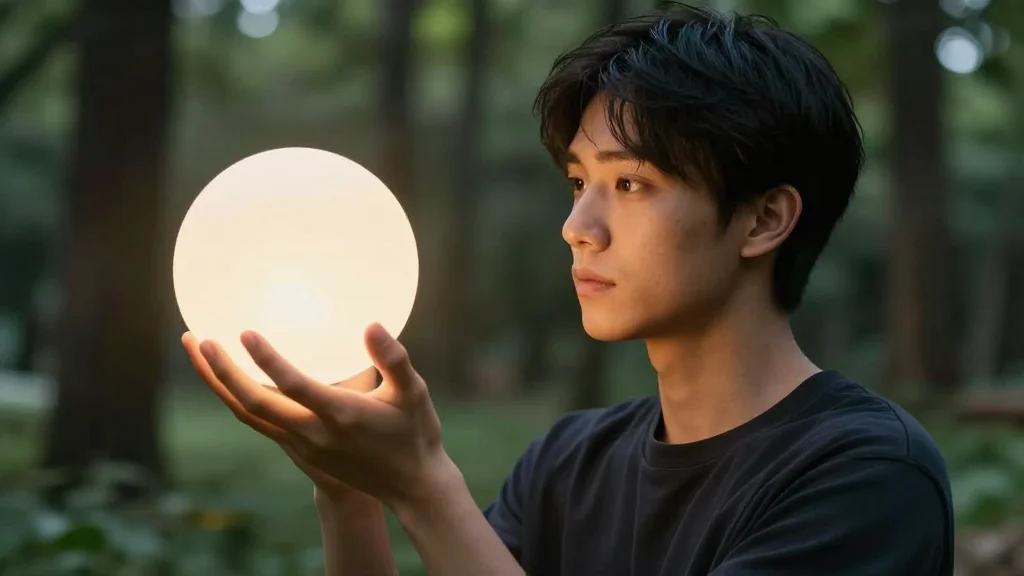
New Scientist Warns AI Could Curb the Brain’s “Aha!” Moments Essential for Creativity

Why It Matters
The debate over AI’s impact on spontaneous insight touches the core of human potential: our ability to generate original ideas, solve complex problems, and retain knowledge. If frequent “Aha!” moments are indeed tied to dopamine‑driven learning, a systemic reduction could blunt creativity across education, research, and industry. Understanding this dynamic is crucial for policymakers, educators, and tech designers who must balance efficiency with the preservation of cognitive growth. Moreover, the column highlights a cultural shift. As AI handles more routine cognition, individuals may need to deliberately cultivate environments—puzzles, brainstorming sessions, reflective practice—that force the brain to wrestle with uncertainty. Such practices could become a new form of mental fitness, akin to physical exercise, ensuring that the brain’s reward system remains engaged and adaptable.
Key Takeaways
- •Helen Thomson’s New Scientist column (April 17, 2024) warns AI may reduce spontaneous “Aha!” moments.
- •Editor Chelsea describes the “Aha!” feeling as a physical sensation spreading across the brain.
- •Neuroscience links insight‑driven dopamine bursts to stronger memory and creative thinking.
- •Outsourcing idea generation to AI could diminish these rewarding dopamine hits.
- •Balancing AI convenience with deliberate problem‑solving may be essential for long‑term brain health.
Pulse Analysis
The tension Thomson raises is not merely philosophical; it reflects a measurable shift in how we allocate mental effort. Historically, breakthroughs—from Newton’s calculus to Einstein’s relativity—emerged from prolonged grappling with problems, a process that inherently produced insight spikes. Modern AI tools, while accelerating data retrieval, risk turning the brain into a passive recipient rather than an active constructor. This could lead to a subtle but pervasive decline in neuroplasticity, especially among younger generations who grow up with instant answers.
From a market perspective, the insight underscores an emerging niche for “cognitive‑enhancement” platforms that deliberately embed challenge into AI workflows. Companies that design AI assistants with built‑in prompts for users to attempt solutions before revealing answers could capture a growing demand for tools that preserve the reward loop. Educational technology firms are already experimenting with “guided discovery” models, and Thomson’s column provides a timely validation of that direction.
Looking ahead, the key question is whether the tech industry will respond with design principles that protect the brain’s need for surprise, or whether convenience will dominate. If the former, we may see a new wave of AI‑augmented learning that respects the neurobiology of insight, fostering a generation that remains both efficient and creatively resilient. If not, the long‑term cost could be a quieter, less innovative workforce—a risk that the human‑potential community cannot afford to ignore.
New Scientist warns AI could curb the brain’s “Aha!” moments essential for creativity
Comments
Want to join the conversation?
Loading comments...