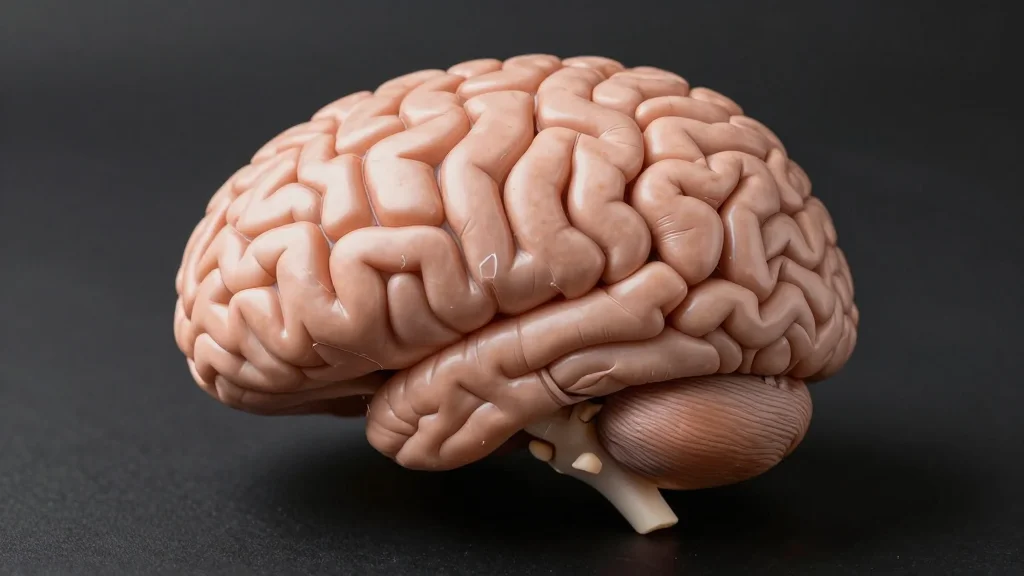
Rockefeller Lab Pinpoints Ventral Premotor Cortex as Hub for Abstract Thought

Why It Matters
Identifying a concrete neural substrate for abstract reasoning bridges a gap between motor function and high‑order cognition, reshaping theories of how the brain generates creativity, language, and problem solving. This insight not only advances fundamental neuroscience but also informs the design of next‑generation brain‑computer interfaces that can decode symbolic intent with greater fidelity. Moreover, linking compositional generalization to a specific cortical area offers a new target for interventions in cognitive disorders where symbolic processing breaks down, potentially leading to novel therapeutic approaches. The discovery also fuels interdisciplinary dialogue between cognitive scientists, engineers, and clinicians. By providing a cellular‑level account of symbolic thought, the study invites re‑examination of educational strategies that aim to cultivate abstract reasoning, suggesting that training that engages motor‑cognitive loops could enhance learning outcomes.
Key Takeaways
- •Rockefeller University's lab identified the ventral premotor cortex as the neural substrate for abstract, symbolic thought.
- •Study published in *Nature* used single‑cell recordings in macaque monkeys performing touchscreen drawing tasks.
- •Researchers observed reusable neural firing patterns supporting compositional generalization.
- •Findings suggest new targets for brain‑computer interfaces and therapies for language or motor disorders.
- •Future work will test whether similar mechanisms exist for auditory and linguistic symbols in humans.
Pulse Analysis
The ventral premotor cortex has long been viewed as a conduit for translating intention into movement. This study flips that script, positioning the region as a crucible for the very symbols that underlie abstract cognition. Historically, the prefrontal cortex has monopolized the narrative of high‑level thought, but the new data imply a more distributed architecture where motor planning and symbolic processing co‑evolve. This paradigm shift could accelerate a wave of research that treats cognition as an embodied process, integrating sensorimotor loops into models of creativity and language.
From a market perspective, the discovery is a catalyst for the BCI sector, which has struggled to capture the nuance of human intent beyond simple motor commands. By targeting a region that encodes reusable symbolic units, developers can design interfaces that interpret complex, hierarchical commands—think composing a sentence or sketching a design—directly from neural activity. Companies that can translate these findings into commercial hardware or software stand to capture a sizable share of the neurotechnology market, projected to exceed $30 billion by 2030.
Clinically, the ventral premotor cortex offers a fresh therapeutic target. Disorders such as apraxia, dyslexia, and certain forms of aphasia may involve disruptions in the symbolic recombination circuitry uncovered by this work. Neuromodulation techniques—ranging from transcranial magnetic stimulation to invasive deep brain stimulation—could be refined to restore or enhance compositional processing. As the field moves toward precision neuro‑medicine, the ability to pinpoint and modulate the neural basis of abstract thought could become a cornerstone of personalized cognitive rehabilitation.
Rockefeller Lab Pinpoints Ventral Premotor Cortex as Hub for Abstract Thought
Comments
Want to join the conversation?
Loading comments...