Scientists Find 54 Natural Paramutation Sites, Adding a New Layer to Human Inheritance

Why It Matters
The identification of natural paramutation sites adds a concrete mechanism to the concept of epigenetic inheritance, suggesting that experiences and exposures can leave a molecular imprint that survives across generations. For the Human Potential space, this means that personal development initiatives—such as stress‑reduction programs, nutrition plans, and cognitive training—might have effects that extend beyond the individual, potentially influencing the health and abilities of their descendants. It also challenges clinicians to broaden diagnostic frameworks to include epigenetic markers, offering new pathways to treat infertility and other inherited conditions that lack clear genetic explanations. Beyond medicine, the findings could reshape societal narratives about nature versus nurture. If traits like stress resilience or learning aptitude can be epigenetically transmitted, policies that promote equitable access to healthy environments may have multigenerational returns, amplifying the impact of early‑life interventions on a population’s collective potential.
Key Takeaways
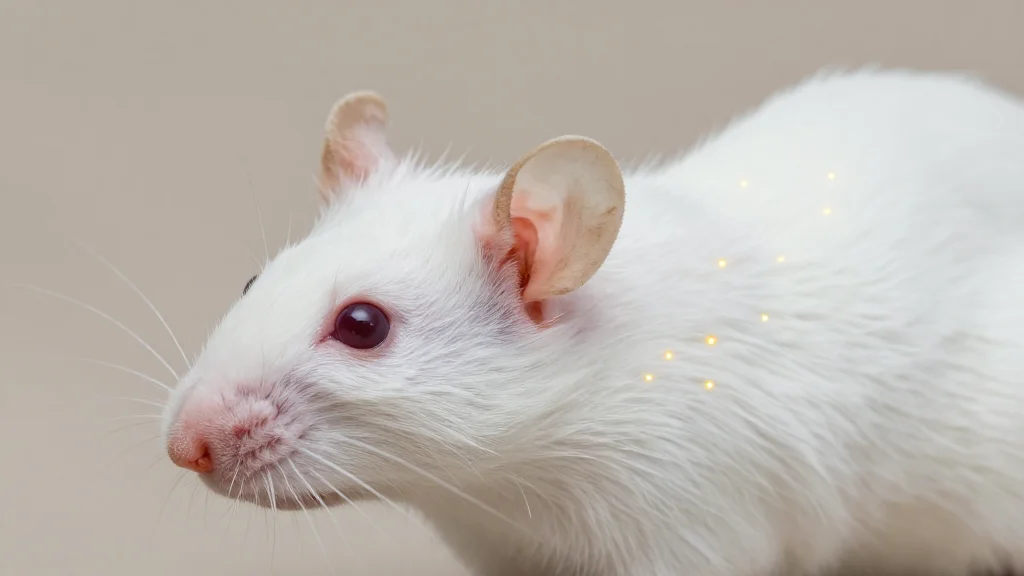
- •Researchers identified 54 natural paramutation sites in mice, a non‑DNA inheritance mechanism.
- •7% of DNA methylation patterns deviated from Mendelian expectations, with 522 sites showing unexpected inheritance.
- •One paramutated gene is crucial for sperm development, linking epigenetics to fertility.
- •Study used multi‑generational mouse breeding and long‑read sequencing to map methylation.
- •Findings suggest lifestyle factors could imprint heritable epigenetic marks, influencing human potential.
Pulse Analysis
Feinberg’s discovery arrives at a moment when biotech investors are pouring capital into epigenetic therapeutics, a market projected to exceed $10 billion by 2030. The concrete evidence of natural paramutation provides a scientific foothold for companies developing drugs that modulate DNA methylation, such as small‑molecule demethylases or epigenome‑editing platforms. Investors will likely view this as validation that epigenetic modulation can have durable, heritable effects, potentially expanding the therapeutic horizon beyond cancer to reproductive health and neurodevelopmental disorders.
Historically, epigenetics has been viewed as a bridge between genetics and environment, but the field has struggled with reproducibility and the perceived transience of epigenetic marks. The paramutation data, showing stable inheritance across multiple mouse generations without genetic engineering, may shift the narrative toward a more robust, mechanistic understanding. This could accelerate regulatory acceptance of epigenetic biomarkers in clinical trials, prompting a wave of diagnostic tools that assess methylation patterns alongside DNA sequencing.
Looking ahead, the biggest challenge will be translating mouse findings to human biology. Human epigenomes are more complex and subject to a wider array of environmental influences. Large‑scale cohort studies, such as the UK Biobank, will be essential to detect paramutation signatures in diverse populations. If successful, the ability to predict or even engineer beneficial epigenetic states could redefine personal development programs, making them not just self‑improvement tools but intergenerational interventions. The stakes are high: a new layer of inheritance could reshape education, healthcare, and even socioeconomic mobility, turning the abstract promise of "human potential" into a measurable, heritable science.
Scientists Find 54 Natural Paramutation Sites, Adding a New Layer to Human Inheritance
Comments
Want to join the conversation?
Loading comments...