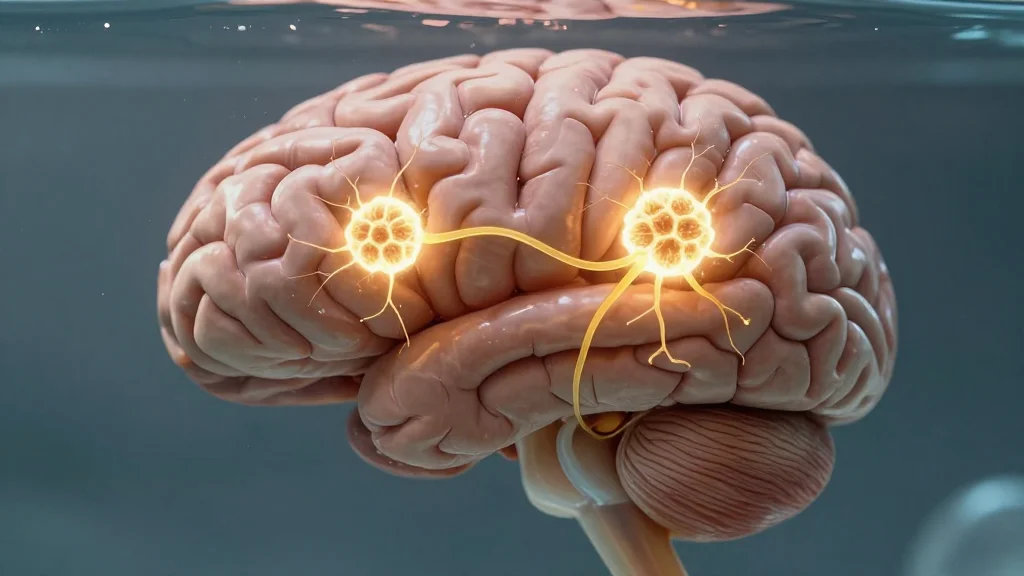
Scientists Identify BTSP, a Neuroplasticity Mechanism for One‑Shot Learning

Why It Matters
BTSP bridges a critical gap between cellular neuroscience and real‑world learning, offering a mechanistic explanation for how a single exposure can produce lasting change. For the Human Potential sector, this could mean more efficient training programs, faster skill mastery, and novel therapeutic avenues for conditions like PTSD, where single‑session interventions are highly desirable. By revealing a concrete biological substrate for rapid learning, BTSP also reframes public understanding of brain plasticity, reinforcing the notion that adults can continue to reshape their cognitive abilities throughout life. Beyond individual benefits, the discovery may influence policy and funding priorities. Governments and private investors are increasingly interested in neuroscience that promises measurable improvements in workforce productivity and mental‑health outcomes. BTSP’s potential to accelerate learning curves could justify larger investments in research that translates these findings into scalable technologies, such as brain‑computer interfaces or targeted neuromodulation devices.
Key Takeaways
- •Behavioral timescale synaptic plasticity (BTSP) enables memory formation after a single experience.
- •BTSP operates over several seconds in the hippocampus, unlike traditional millisecond‑scale plasticity.
- •Researchers published reviews in The Journal of Neuroscience and Nature Neuroscience this week.
- •Quotes from leading neuroscientists highlight BTSP as a missing mechanism for rapid learning.
- •Potential applications span education, neurorehabilitation, and performance coaching.
Pulse Analysis
The identification of BTSP marks a paradigm shift comparable to the discovery of long‑term potentiation in the 1970s. While LTP explained how repeated stimulation strengthens synapses, BTSP offers a plausible route for single‑trial learning, a phenomenon long observed in behavioral studies but lacking a cellular correlate. This fills a theoretical void and opens a new research frontier where the timing of neuronal activity becomes a lever for rapid memory encoding.
Historically, attempts to accelerate learning have focused on behavioral techniques—spaced repetition, immersive environments, and feedback loops. BTSP suggests that the bottleneck may be biological: without the appropriate synaptic conditions, even the most sophisticated training regimens cannot achieve one‑shot mastery. Future interventions could therefore target the electrical signatures that trigger BTSP, using non‑invasive stimulation (e.g., transcranial magnetic stimulation) or pharmacological agents that modulate the underlying ion channels.
From a market perspective, companies developing neurotechnology platforms stand to benefit. Investors are already allocating capital to firms that claim to enhance cognition through brain stimulation; BTSP provides a scientifically grounded target that could differentiate legitimate products from hype. However, translating a mouse‑brain phenomenon to human applications will require rigorous safety testing and ethical oversight. The next five years will likely see a surge in pre‑clinical trials, patents, and perhaps the first human‑focused studies, setting the stage for a new class of brain‑enhancement tools that align with the Human Potential movement’s goals of self‑mastery and peak performance.
Scientists Identify BTSP, a Neuroplasticity Mechanism for One‑Shot Learning
Comments
Want to join the conversation?
Loading comments...