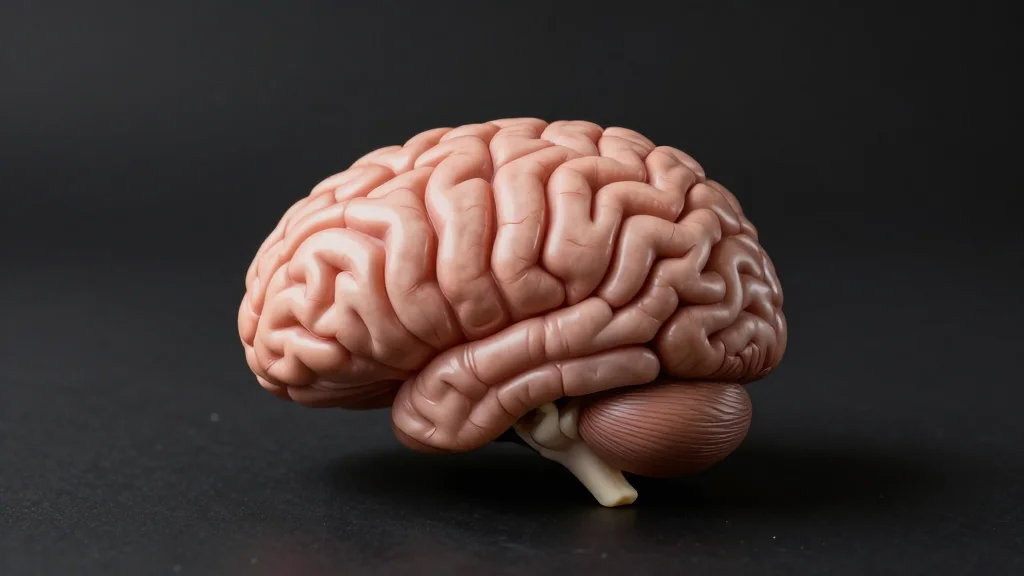
Study Shows Cognitive Conflict Triggers Brain's Reward System

Why It Matters
Understanding that mental conflict can be a source of intrinsic reward reshapes the foundation of human potential research. It suggests that the very challenges that once discouraged engagement may instead be leveraged to boost motivation, learning speed, and creative problem‑solving. For educators, this insight offers a science‑backed rationale to move beyond rote instruction toward curricula that deliberately provoke thoughtful disagreement and uncertainty. In clinical psychology, the discovery opens a new therapeutic avenue: rather than avoiding conflict, patients could be guided to experience and resolve it, thereby activating reward pathways that are often blunted in mood and attention disorders. By aligning treatment with the brain's natural reinforcement mechanisms, clinicians may achieve more durable behavioral change.
Key Takeaways
- •Study published in Communications Psychology (2026) by La Pietra, Vives, Molinaro et al.
- •Functional MRI showed ventral striatum and medial prefrontal cortex activation during conflict resolution.
- •Tasks used: Stroop and flanker paradigms that create competing information streams.
- •Findings challenge traditional conflict‑monitoring theory that frames conflict as purely aversive.
- •Potential applications span education, mental‑health treatment, and AI learning models.
Pulse Analysis
The revelation that cognitive conflict carries an intrinsic reward signal could trigger a paradigm shift across several sectors. In education technology, platforms that previously emphasized smooth, error‑free progression may pivot to incorporate calibrated conflict modules—think debate‑driven simulations or adaptive puzzles that purposefully generate ambiguity. By aligning product design with the brain's reward circuitry, companies can claim higher engagement metrics and better learning outcomes, a competitive edge in a crowded market.
Clinically, the study dovetails with emerging neurofeedback approaches that aim to normalize reward processing in disorders like ADHD and depression. If conflict‑induced reward can be harnessed safely, therapists might develop protocols that gradually increase cognitive tension, using real‑time neuroimaging or EEG to confirm activation of the ventral striatum. This could complement pharmacological treatments, offering a non‑drug pathway to reinforce executive function.
From a broader human‑potential perspective, the work reframes struggle as a catalyst rather than a barrier. Historically, narratives of personal growth have celebrated perseverance through hardship; now neuroscience provides a mechanistic explanation for why that narrative feels satisfying. As organizations seek to cultivate innovative cultures, they may adopt conflict‑rich environments—structured hackathons, cross‑disciplinary think tanks—to tap into this reward loop. The key will be measuring the sweet spot where conflict is challenging enough to trigger reward without causing burnout, a balance that future research must define.
Study Shows Cognitive Conflict Triggers Brain's Reward System
Comments
Want to join the conversation?
Loading comments...