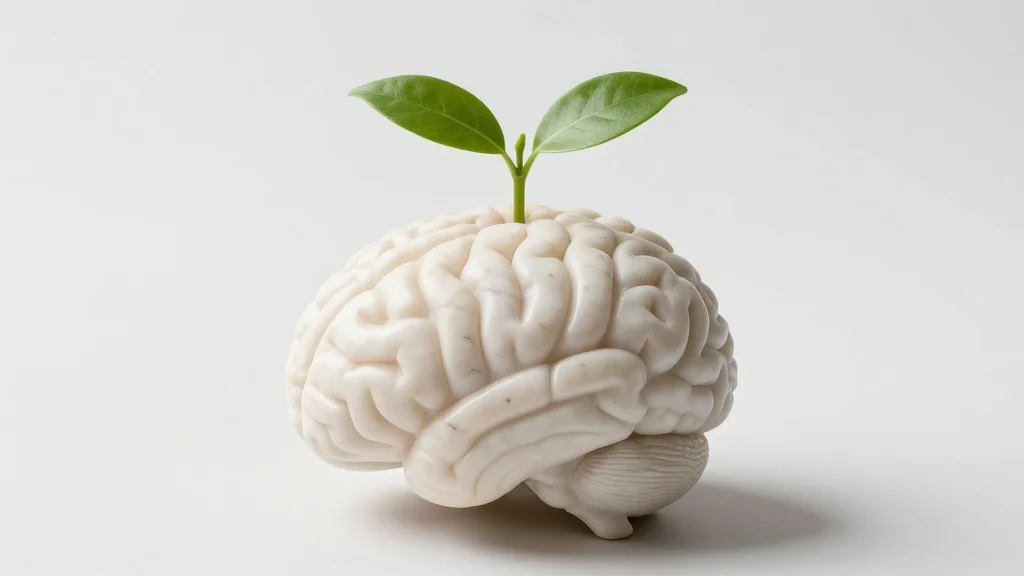
Study Shows Stable Personality Traits Drive Sustainable Living, Not Willpower

Why It Matters
By pinpointing stable self‑control as the engine of lasting sustainable behavior, the study reframes how individuals and organizations approach personal growth and environmental stewardship. It suggests that cultivating enduring traits may be more effective than relying on momentary motivation, a shift that could improve the efficacy of habit‑formation programs, corporate wellness initiatives, and public‑policy campaigns aimed at reducing carbon footprints. Moreover, the research underscores the importance of longitudinal data in behavioral science, offering a template for future studies that seek to untangle trait versus state effects in other domains of human potential, such as health, productivity, and creativity.
Key Takeaways
- •Longitudinal study links baseline self‑control to an 18% increase in sustainable actions
- •Willpower spikes showed no measurable effect on eco‑friendly behavior
- •Research published in the Journal of Environmental Psychology
- •Findings challenge willpower‑centric personal‑development models
- •Implications for habit‑formation apps, corporate wellness, and policy design
Pulse Analysis
The study arrives at a moment when the personal‑development industry is saturated with quick‑fix solutions promising rapid habit change. Historically, behavior‑change models have oscillated between willpower‑centric and environment‑centric approaches. This new evidence tilts the balance toward a hybrid model that treats self‑control as a developable, relatively stable trait, akin to a muscle that can be strengthened over time. Companies that have built their revenue on daily streaks and push notifications may need to pivot toward curricula that embed self‑regulation skills, potentially opening new product lines focused on cognitive training.
From a market perspective, the research could catalyze a wave of B2B offerings aimed at embedding sustainable practices into workplace culture through self‑control development programs. Firms that invest early in such training may see downstream benefits in employee engagement and reduced environmental impact, aligning with ESG goals that investors increasingly demand. Conversely, firms that continue to market willpower‑only solutions risk obsolescence as evidence mounts for more nuanced approaches.
Looking ahead, the study’s call for cross‑cultural replication is critical. If the trait‑behavior link holds across societies with differing norms around consumption and regulation, it could become a universal lever for climate action. For the Human Potential sector, the implication is clear: lasting change may hinge less on fleeting motivation and more on cultivating the underlying psychological architecture that supports consistent, values‑aligned behavior.
Study Shows Stable Personality Traits Drive Sustainable Living, Not Willpower
Comments
Want to join the conversation?
Loading comments...