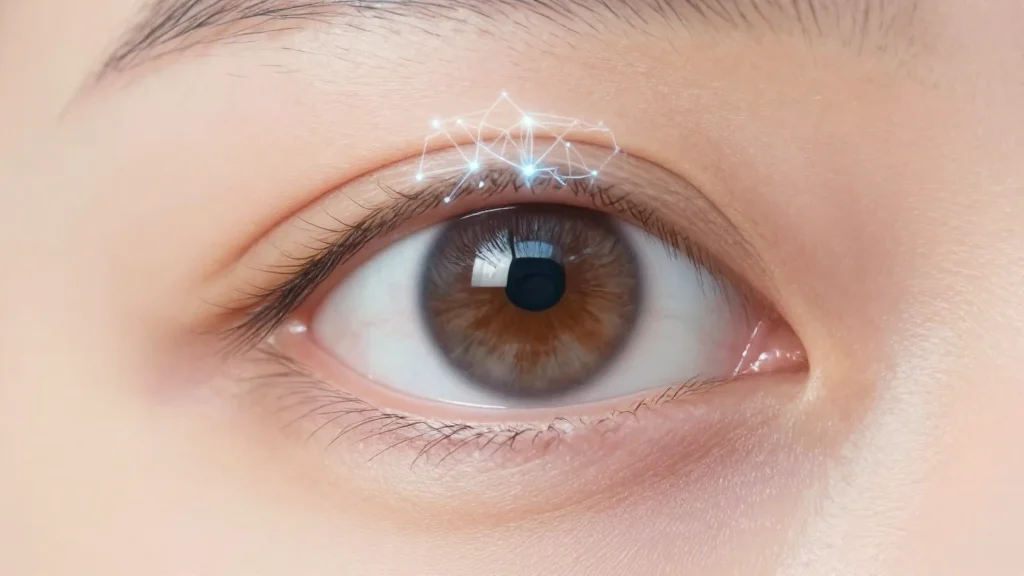
Teen Inventor Wins $175,000 for AI Tool Diagnosing Autism and ADHD via Retina

Companies Mentioned
Why It Matters
RetinaMind tackles two of the most prevalent neurodevelopmental disorders in the United States—autism, affecting 1 in 54 children, and ADHD, impacting nearly seven million youths. By providing a rapid, image‑based biomarker, the technology could compress diagnostic timelines from months to minutes, enabling earlier therapeutic interventions that improve lifelong outcomes. Moreover, the success of a teenage inventor underscores the growing democratization of AI tools, suggesting that breakthroughs in health diagnostics may increasingly emerge from unconventional, youthful sources rather than traditional research labs. Beyond individual health, the broader adoption of AI‑driven retinal diagnostics could catalyze a new class of non‑invasive screening tools for brain‑related conditions, from neurodegenerative diseases to psychiatric disorders. This could reshape public‑health strategies, reduce disparities in access to specialist care, and stimulate investment in AI‑enabled medical imaging startups.
Key Takeaways
- •Edward Kang, 17, won second place and $175,000 at the 2026 Regeneron Science Talent Search.
- •RetinaMind AI diagnoses autism and ADHD from retinal images with 89% accuracy.
- •Current diagnosis relies on behavioral assessments; no objective biomarkers exist.
- •Early detection can improve long‑term outcomes, especially for autism.
- •Next step: multi‑center validation study and pursuit of FDA clearance.
Pulse Analysis
The emergence of RetinaMind signals a pivotal moment where AI intersects with pediatric neurology in a way that bypasses traditional, time‑intensive assessments. Historically, neurodevelopmental diagnoses have been hampered by subjectivity and limited specialist availability. By leveraging the retina—a readily accessible window to the brain—Kang’s model sidesteps these bottlenecks, offering a scalable screening method that could be deployed in schools, primary‑care offices, and telehealth platforms.
From a market perspective, the $175,000 prize not only validates the technology but also shines a spotlight on venture capital interest in AI‑based diagnostics. Investors have poured billions into AI imaging for oncology and ophthalmology; neurodiagnostic AI remains under‑capitalized. If RetinaMind clears regulatory hurdles, it could attract a new wave of funding, prompting incumbents like Google Health and startups such as Tempus to explore similar retinal biomarkers for cognitive and psychiatric conditions.
Looking ahead, the key challenge will be translating laboratory accuracy into real‑world performance across diverse populations. Bias in training data, especially given the under‑representation of minority groups in existing retinal datasets, could limit generalizability. Successful navigation of these hurdles will set a precedent for youth‑led innovation in high‑stakes medical AI, potentially accelerating the pipeline from school science fairs to FDA‑approved devices.
Teen Inventor Wins $175,000 for AI Tool Diagnosing Autism and ADHD via Retina
Comments
Want to join the conversation?
Loading comments...