Key Takeaways
- •Deadlifting offers measurable results, immune to AI or marketing hype
- •Concrete pursuits create autotelic experiences with clear, objective standards
- •Physical mastery builds resilience and focus applicable to professional challenges
- •Modern work often lacks tangible feedback, leading to abstract performance metrics
- •Engaging in hard, real activities grounds individuals amid digital overload
Pulse Analysis
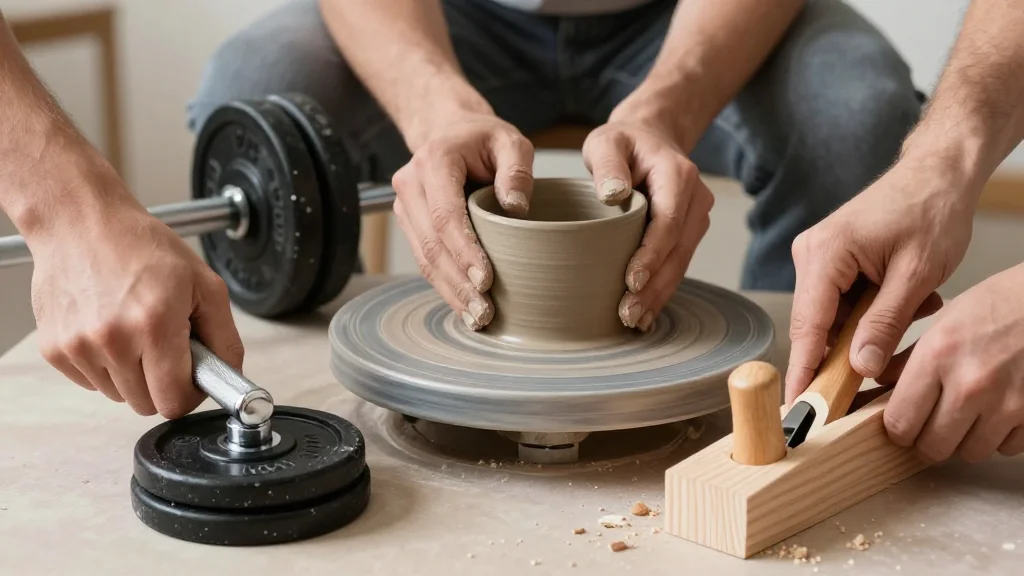
The rise of AI assistants and algorithmic performance dashboards has made many professional outcomes feel intangible. Executives now chase vanity metrics—click‑through rates, engagement scores, or productivity hacks—without a clear line between effort and result. In this environment, activities that produce immediate, physical feedback, such as deadlifting or woodworking, become a form of resistance. They remind us that some achievements cannot be outsourced or gamified; the bar either moves or it doesn’t, offering a stark contrast to the endless loop of digital optimization.
Psychologists label this direct, self‑reinforcing satisfaction as an autotelic experience. When the standard for success is built into the activity—lifting a weight, shaping a pot, or completing a marathon—individuals receive unfiltered data about their competence. This clarity reduces decision fatigue, sharpens focus, and cultivates a growth mindset that translates to the boardroom. Leaders who regularly engage in such disciplined practice report heightened resilience, better stress management, and a more nuanced understanding of incremental improvement, all of which are valuable assets in fast‑moving markets.
For businesses, encouraging employees to pursue tangible, hard‑skill hobbies can improve morale and performance. Companies are experimenting with on‑site gyms, maker spaces, and "skill‑share" sessions that let staff bring real‑world craftsmanship into the workplace. These programs not only break the monotony of screen‑centric tasks but also reinforce a culture of accountability and authentic achievement. By integrating concrete pursuits into corporate wellness strategies, firms can counteract digital fatigue, foster deeper engagement, and ultimately drive more sustainable productivity.
The Case for Doing Real, Hard Things
Comments
Want to join the conversation?