Why It Matters
Understanding hypercuriosity reframes ADHD from a deficit to a context‑dependent strength, guiding more effective workplace and educational designs. It highlights the need for environments that capture, rather than suppress, novelty‑driven attention.
Key Takeaways
- •ADHD attention varies with novelty and task relevance
- •Hypercuriosity drives exploration and rapid learning
- •Mismatched environments turn curiosity into distraction
- •Reward circuits weight informational value over routine tasks
- •Designing workspaces for novelty can harness ADHD strengths
Pulse Analysis
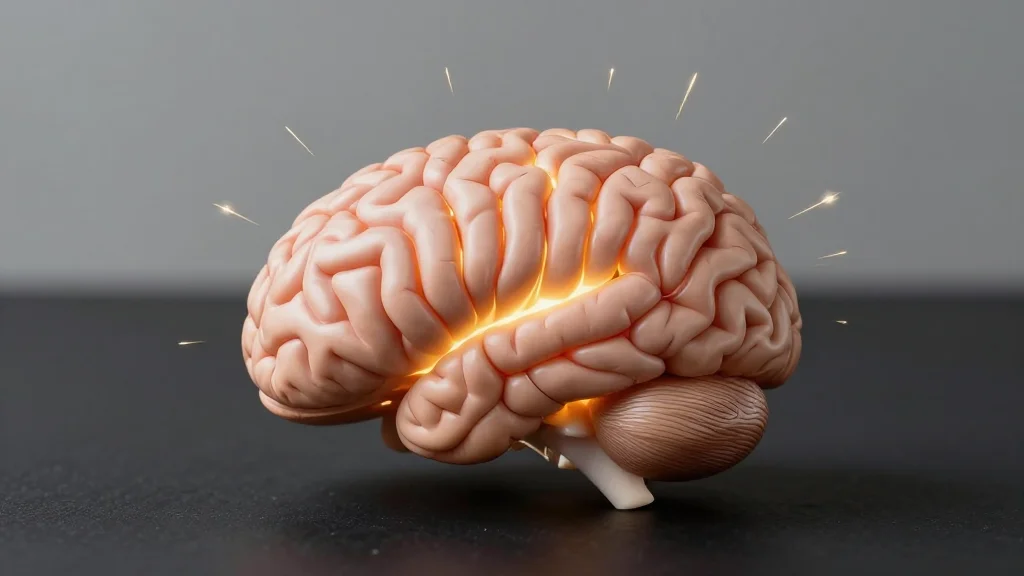
Neuroscientists have long debated the core mechanisms of ADHD, oscillating between delay aversion, executive dysfunction, and altered dopamine signaling. Recent imaging studies reveal that individuals with ADHD exhibit amplified activation in reward and attention networks when confronted with novel or uncertain stimuli, suggesting that informational reward carries outsized motivational weight. This neurobiological profile underpins the "hypercuriosity" concept: a drive toward new knowledge that can lock attention for hours on complex problems while rendering repetitive tasks nearly unmanageable. By shifting the focus from what constrains attention to what captures it, researchers gain a more nuanced view of ADHD’s heterogeneous expression.
In today’s hyper‑connected workplaces and classrooms, the environment often penalizes the very curiosity that fuels ADHD‑linked strengths. Linear curricula and rigid corporate metrics demand sustained focus on predetermined outputs, clashing with a brain wired to chase novelty and immediate feedback. Consequently, many high‑potential individuals experience burnout, anxiety, or underperformance despite their capacity for rapid pattern recognition and creative problem‑solving. Recognizing hypercuriosity invites a redesign of tasks: embedding choice, uncertainty, and real‑world stakes can transform distraction into productive exploration, aligning incentives with intrinsic motivational drivers.
Looking forward, policy makers and organizational leaders can leverage this insight by crafting flexible structures that accommodate exploratory mindsets. Adaptive learning platforms, project‑based work, and intermittent novelty breaks can satisfy the informational reward system without sacrificing productivity. Moreover, therapeutic approaches might shift from suppressing impulsivity to channeling hypercuriosity into goal‑aligned pursuits, reducing reliance on medication alone. Embracing hypercuriosity not only mitigates the mismatch between neurobiology and modern demands but also unlocks a reservoir of innovative talent across industries.
The hypercurious mind
Comments
Want to join the conversation?
Loading comments...